Car Photoshoot Locations in France | Easy Spaces South of France
Drive-in studios, hangars, villas and coastal roads for car photoshoots in France. 1,200 locations on file. Brief in, first selection back within half a day.
We started Easy Production in 2003 and Easy Spaces in December 2009. There are around 1,200 addresses on file now, and cars are the fussiest thing anyone asks us to put inside them.
Marseille, 2019 , early morning. We were shooting an Aygo for Toyota in the narrow streets around Cours Julien, graffiti on every wall, crew ready. A man came round the corner with a DVD player under his arm, sat down on the bonnet of the car and would not get off. Our security guard got nowhere with him. What he wanted, once I worked it out, was to be in the shoot. So I took my own camera, stood him against the best wall on the street and photographed him properly, one frame after another, while the crew worked on the car behind me. I took his details at the end so I could send him the pictures. We finished the day on schedule.
That is the half of this job that never appears in a location file. The other half is measurable, and it is where most car shoots actually come unstuck.
What a car does to a room
You are lighting a mirror. Everything above the vehicle and everything behind you comes back in the paintwork, which is why the first thing I do on a recce is look up rather than around. Roof beams, service ducts, gantries, window mullions. All of it runs down the flank of the car in the final frame and none of it is cheap to take out afterwards.
Height buys control. At roughly 5 metres you can rig a frame above the roofline and hold a soft gradient along the whole body. Under 3 metres the ceiling is your light source whether you chose it or not.
The floor matters more than people expect, because it is in every single frame. Polished concrete, resin, gravel and old asphalt are four different jobs. Ask what condition it is in, not just what it is made of.
What I ask an owner before a place goes on a list
Owners answer access questions in adjectives. Wide, easy, no problem. I ask for centimetres.
- The door opening. A saloon wants about 1.85 m across and 1.5 m high, an SUV or a van nearer 2 m on both, plus a bit for the mirrors and for someone walking beside the wing.
- The threshold. Kerbs, steps and steep ramps are what stop low cars. Anything sitting on 100 mm of ground clearance grounds out on a ramp a family estate takes without noticing.
- Turning circle, roughly 11 m for a saloon. Below that the car goes in and comes out in a straight line and stays wherever you put it.
- Floor loading, if the space is not on the ground. Between 1.4 and 2.5 tonnes, more for electric. Mezzanines, rooftop car parks and old timber floors need it in writing from the owner, not over the phone.
- Ventilation, if the engine has to run indoors.
Where they are
Paris intra-muros has almost no drive-in space. What works sits past the périphérique: hangars, old workshops, industrial buildings in the inner suburbs, usually with room to park the unit alongside. In the city itself, underground and rooftop car parks hold up well for low-key work.
Haussmann courtyards are the standing disappointment of this job. They photograph beautifully and then the carriage entrance turns out to take nothing wider than a small saloon.
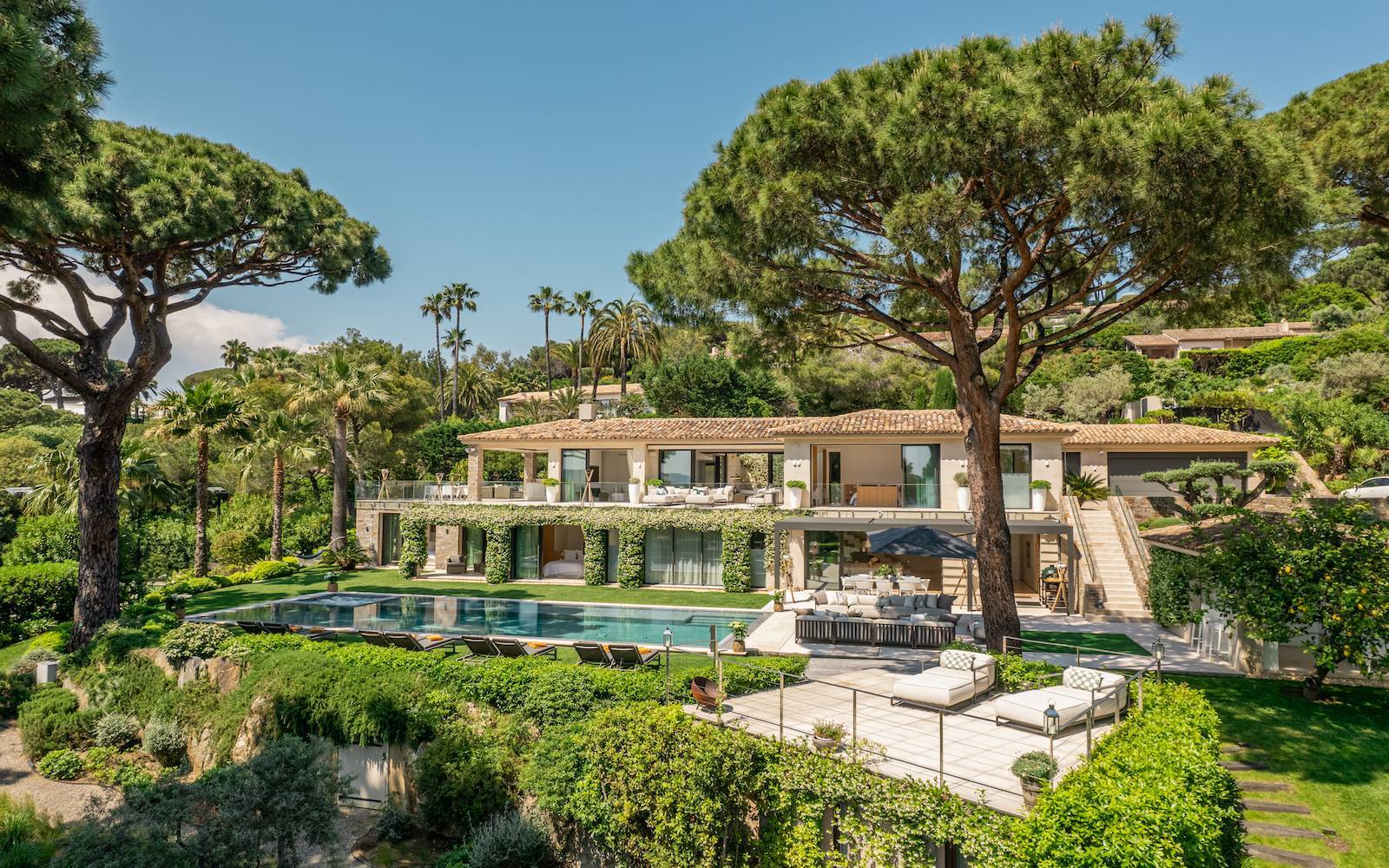
The South does the outdoor half. Villas with real driveways on the Côte d'Azur (06 and 83), coastal and hillside roads, plateaus in Provence (13 and 84) where you can put a long lens on an empty stretch of tarmac. Marseille has street locations of the kind above, and enough industrial volume in the northern districts to shoot indoors the same week. The Camargue for flat ground, water and a horizon with nothing in it.
We also scout Languedoc (34), Aquitaine and the Basque Country, and work in Lille, Lyon, Bordeaux, Toulouse, Nice and Cannes.
Fact sheet
- Agency: Easy Spaces (easyspaces.fr), founded December 2009
- Sister company: Easy Production, executive production, active since 2003
- Locations on file: 1,200
- Core coverage: Paris (75) and the seven other Île-de-France departments (77, 78, 91, 92, 93, 94, 95)
- Wider coverage: Côte d'Azur (06, 83), Provence (13, 84), Languedoc (34), Aquitaine, Basque Country, Camargue
- Location types for car work: drive-in hangars and industrial volumes, blacked-out studios, car parks, villa driveways, coastal and mountain roads, open plateaus
- First selection: within half a day, sometimes immediately
- Pricing: per day, according to duration, crew size and exclusivity. Quotation within 24 hours.
Permits, and the one that catches people out
On private property the owner's contract covers you. On a public road it does not.
In Paris, anything occupying the highway goes through an AGATE application filed at least fifteen working days ahead. There is a five day simplified declaration, and this is the one people reach for, but it only covers a crew under ten shooting handheld with no vehicle parked. A car shoot never qualifies.
Outside Paris it is the mairie for communal roads and the department for routes départementales. Closures, tracking vehicles and low-loaders go to the préfecture, usually with an escort attached. Lead times vary a lot between communes, so it is the first call of pre-production rather than the last thing on the list.
Two clearances come up on nearly every car job. Identifiable private buildings in shot need a release from the owner. Badges and body shapes are protected, so if the manufacturer has not commissioned the shoot, sort the rights position before the images go out.
What these locations get used for
- Studio-style product work in blacked-out volumes with drive-in doors, near Paris or Marseille.
- Lifestyle and brand campaigns in villas with driveways on the Côte d'Azur.
- Rolling and tracking shots on the coastal and plateau roads in Provence and the Camargue.
- Launch films and commercials in raw industrial spaces where the car is driven into frame.
- Street work in Marseille, Paris and Lyon, with the authorisations filed in advance.
Why productions use Easy Spaces
- Fast team: less time lost on searching, shortlisting and back and forth with owners.
- Secured locations: clear scope, owner validation, permits and contracts handled.
- The file is followed from pre-production through to post-production.
Frequently asked questions
Where can I shoot a car indoors in France?
Drive-in hangars, former workshops and industrial volumes in the Paris inner suburbs and around Marseille. Confirm door width, floor loading and ceiling height before committing to any of them. We take those measurements on the recce rather than repeating what the owner tells us.
Can the car actually be driven into the location?
It depends on the door opening, the threshold and the turning circle. A saloon needs around 1.85 m of clear width and about 11 m to turn. Where that is not possible the car is pushed in on a straight line and stays in one position for the day.
Do I need a permit to photograph a car on a French road?
Yes, as soon as you occupy the public highway. Paris means an AGATE application at least fifteen working days ahead. Elsewhere it is the mairie or the department, and the préfecture if the road is closed or a tracking vehicle is involved.
What does a car photoshoot location cost in France?
Per day, depending on duration, crew size and whether you need exclusivity. You get a quotation within 24 hours once the brief is complete, covering the location and the authorisations.
Which regions do you cover for automotive work?
Paris and the seven other Île-de-France departments, the Côte d'Azur, Provence, and the Camargue. Shoots also run in Marseille, Nice and Cannes.
Looking for a car photoshoot location in France?
If nothing in the catalogue matches your brief, we can send new selections free of charge the same day.
Contact us with your brief, your dates and your access constraints.
Our team answers quickly and stays with the project through to production.
Talk to you soon.
Written by Camille Chevreuil


Magnificent and Spacious Maison de Maître Available for Professional Shooting and Filming Near Lyon


Charming stone villa available for rent with infinity pool perfect for photoshoots and filming in Vaucluse region


Exceptionally Unique and Highly Photogenic Atypical Space Available for Rent in PACA for Various Professional Shootings, Filming, and Events


Contemporary Villa Rental Perfectly Suited for Photo Shoots and Filming on the French Riviera near Cannes


Modern Contemporary Villa Perfect for Shooting Filming and Event Hosting on the Beautiful Côte d'Azur in the South of France
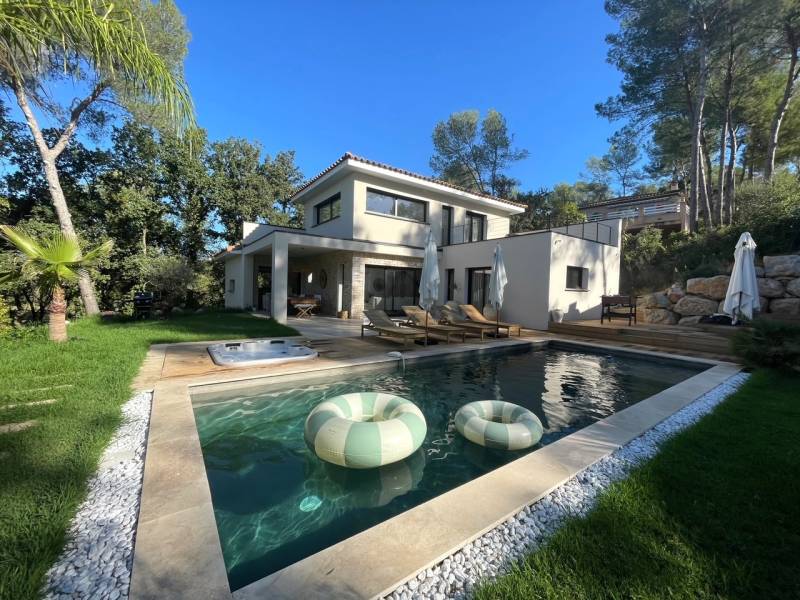
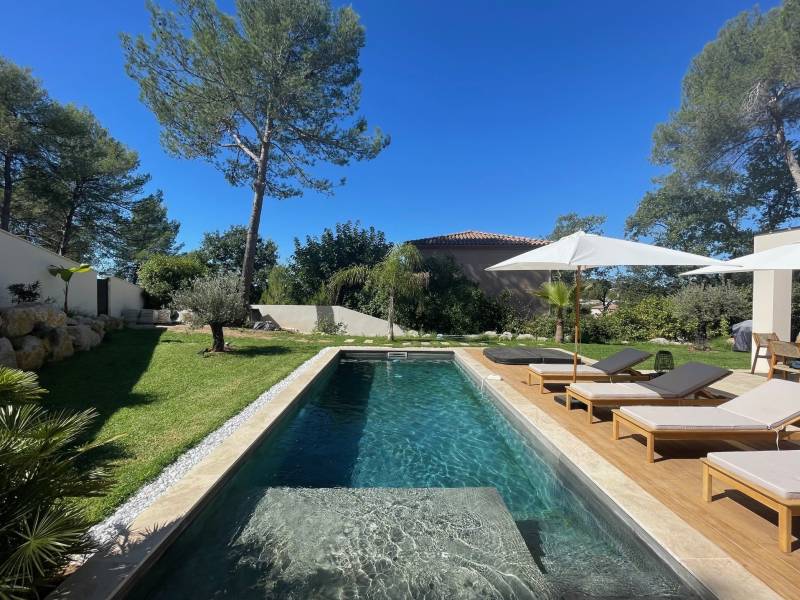
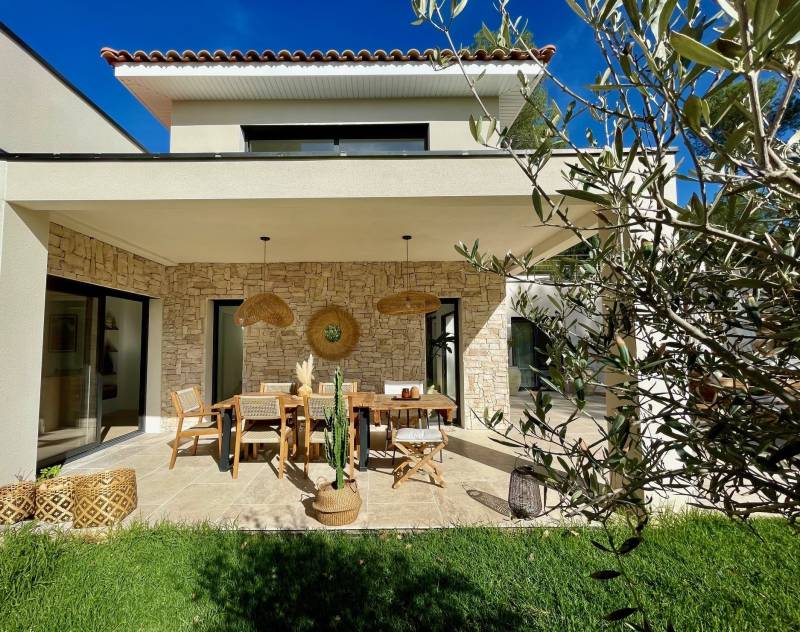
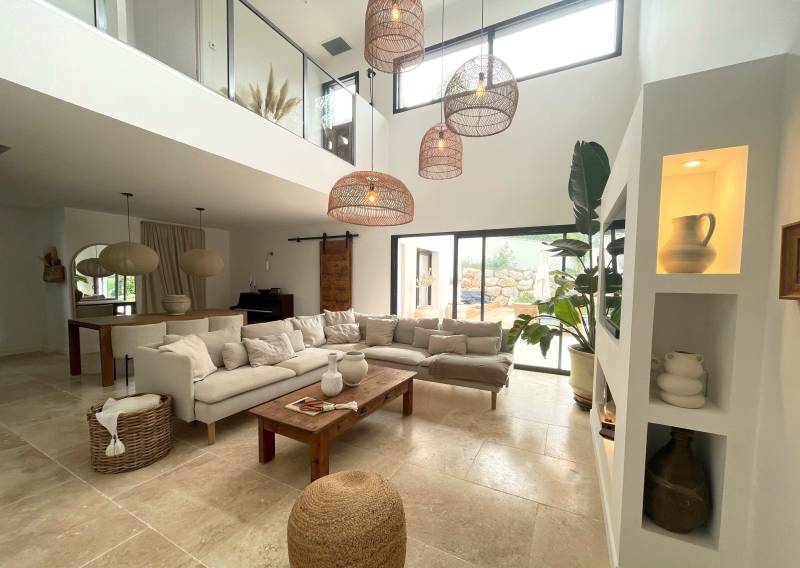
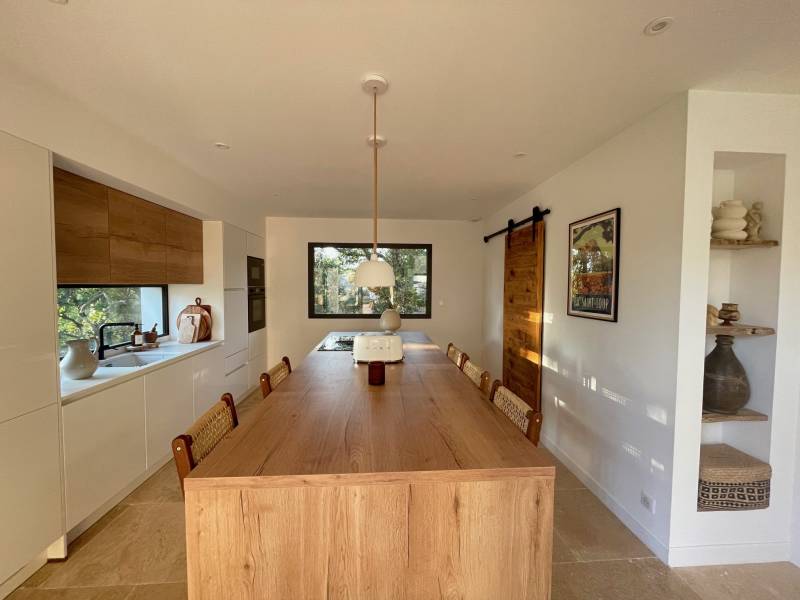
Beautiful Contemporary House Available to Rent for Photo Shoots and Film Productions in the South of France