Automotive Filming Locations French Riviera | Easy Spaces Nice - French Riviera
Corniches, hill roads and industrial volumes around Nice for automotive filming. Permits, closures and unit access handled locally. Quotation within 24 hours.
Automotive Filming Locations in Nice and the French Riviera
Updated: September 2026
Easy Production has been running film and photo shoots since 2003 and Easy Spaces has been scouting for them since December 2009. We work from Paris and from the South, and the Riviera is the part of the catalogue automotive productions call about, because it has the one thing a car film cannot be made without.
Road. Not scenery. Twelve kilometres of it with nothing ugly overhead, somewhere to turn the vehicles round, and a piece of flat ground within walking distance where the trucks can stand all day.
The roads around Nice
Four families of road sit within an hour of the airport, and they do not do the same job.
The three corniches between Nice and Menton give you the sea on one side and rock on the other, which is the image every brief asks for and the hardest thing to actually shoot. The Basse Corniche is busy at every hour. The Moyenne and the Grande Corniche are workable, but the lay-bys are few and the drop on the seaward side limits where you can put a camera car.
The hill roads behind Nice, Vence and Grasse climb fast. You get altitude, hairpins and a change of vegetation inside a single sequence, and traffic thins the further you go from the coast. The Gorges du Loup and the roads up towards the Col de Vence are the usual answers.
The Esterel, between Cannes and Saint-Raphaël, gives red rock and a road that reads as nowhere in particular, which is useful when the film cannot look like a postcard.
Inland, the plateaus behind Grasse open out and give long sightlines with almost no street furniture. This is where you go when the shot needs a road that could be anywhere warm.
What decides between them, in practice: what is overhead, whether the markings are fresh, whether there is a lay-by or a farm track to reset the picture car and the camera car, and the traffic pattern rather than the traffic volume. A quiet road with a quarry four kilometres up it is not quiet at seven in the morning.
Orientation matters more than people expect. An east to west road holds its backlight across a full day, which is what keeps continuity together on an eight hour schedule. Most of the coast runs that way, which is half the reason the Riviera works for car film.
The permit story worth reading before you plan a road day
Nice, 2019. We were shooting for a Japanese manufacturer in a street in the center. Two days out, the advertising agency moved the shoot day because of a problem with the model. The shooting permit had been issued for the original date, and moving the date killed them.
So on the morning of the shoot there was a car parked in the middle of our background and no valid order to have it removed. Nobody from the municipality could do anything about it, correctly, because we no longer had the paper. We looked for the owner up and down the street and did not find him. In the end we moved the car by hand. It was a small one. The shoot picked up again after that.
A shooting permit is issued for a date. It does not travel with the production when the date changes, and re-issuing one is not a phone call. If the schedule is fragile, say so at the application stage rather than assuming a day can be swapped later.
How the paperwork works here
A car that moves brings the authorities in differently from a car that is parked.
Filming from a camera car or a low-loader on an open road, and closing a road at all, needs authorisation beyond a standard filming permit, and it usually comes with an escort requirement. The application goes to the mairie for communal roads and to the department for routes départementales, which for most of this territory means the Alpes-Maritimes, with the préfecture involved where a closure is concerned.
Lead times vary a lot between communes. Nice in November and a village above Vence in August are not the same interlocutor, and the second one is not necessarily the slower of the two.
Monaco is a separate state with its own authorisation process. If the shoot crosses the border, that is a second application on a different timetable, and it needs to start early.
Two clearances come up on most automotive jobs. Identifiable private buildings in shot need a release from the owner. Badges and body shapes are protected, so if the manufacturer has not commissioned the film, settle the rights position before the images go out.
If the car is a pre-production prototype, its road status is a separate question. Confidentiality goes with it: covered transport, closed set, an NDA signed by the location owner. Not every owner on the Riviera will sign one, which narrows the list, so we need to know at brief stage.
Sound, and why productions here shoot early
From roughly June to September the cicadas are on your direct sound across the whole arrière-pays, and there is no version of the day where they are not. You shoot early, you shoot late, or you plan to replace it in post.
Add the approach path into Nice airport, which runs along the coast, and the summer traffic on the Basse Corniche. This is a recce question. It is worth listening to a location for a minute before agreeing to record dialogue there.
Season
July and August are the worst months to film a road on the Riviera. The light at midday is flat and hard, the coast road is full, and a closure is a much harder thing to obtain while the season is running.
May carries the Cannes festival and the Monaco Grand Prix, which take the hotels and close roads for reasons that have nothing to do with you. The windows that actually work are April to early May, mid June, and September to October, when the light is long and the roads are empty enough to close. Winter is genuinely good inland after a mistral, when the air is clear and the sun sits low all day.
Interiors and unit space
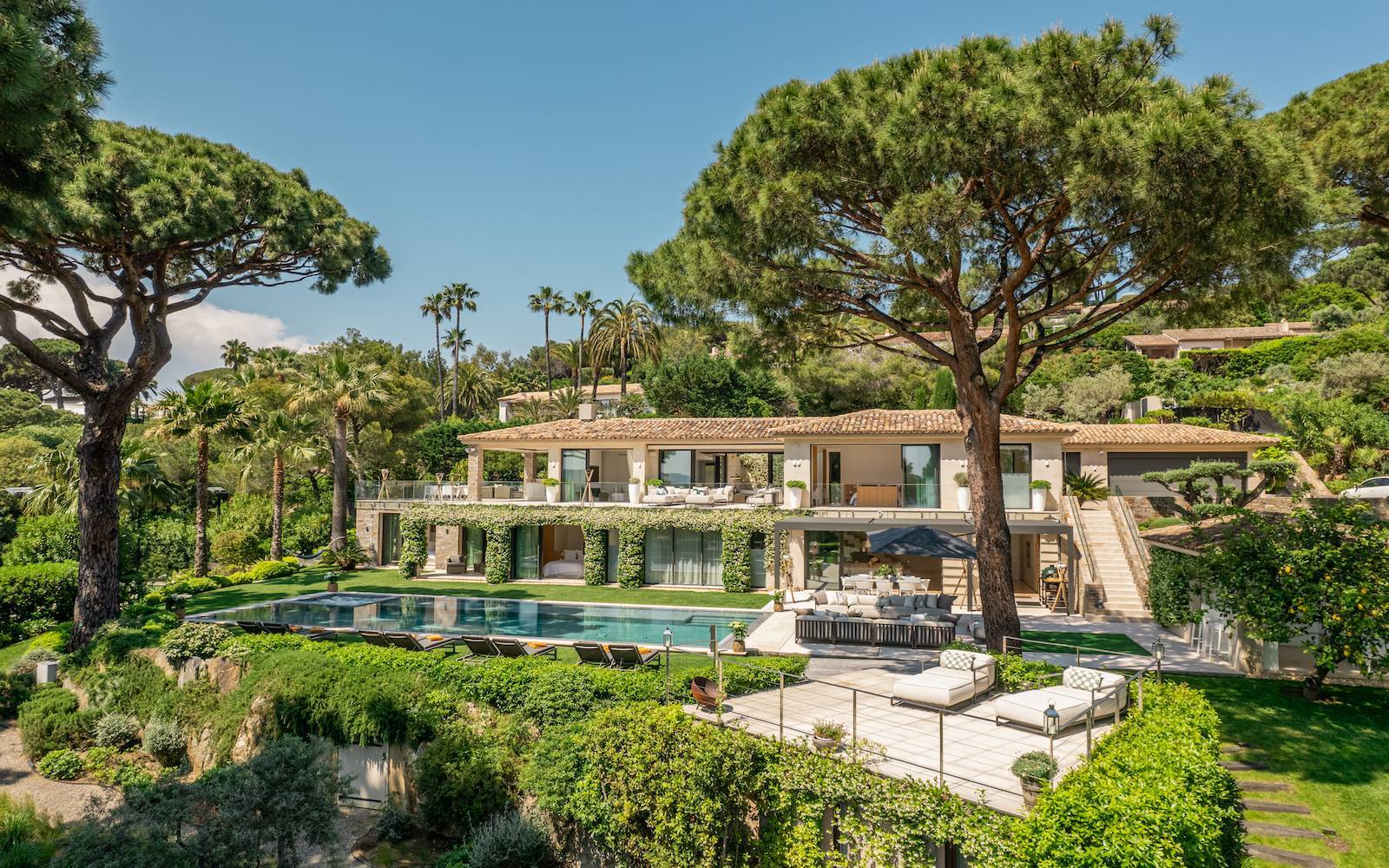
The Riviera has less industrial volume than Marseille, and that is the honest constraint of shooting here. What exists sits inland from the airport, in the zones between Saint-Laurent-du-Var and Carros, along with villas whose garages and grounds work for smaller set-ups.
The measurements to confirm before committing to any interior are the same as for a stills job: door opening, threshold, floor loading, turning circle. Those are set out on our car photoshoot locations page.
Unit base is what usually decides between two roads that look equally good. Somewhere out of shot, off the neighbours, reachable by a truck that has to turn round at wrap. On the corniches this is the hardest thing on the list, and it is why the road you want and the road you get are sometimes different roads.
Fact sheet
- Agency: Easy Spaces (easyspaces.fr), founded December 2009
- Sister company: Easy Production, executive production, active since 2003
- Locations on file: 1,200 across France
- Riviera coverage: Alpes-Maritimes (06) and eastern Var (83), from Menton to Saint-Raphaël and inland to Grasse and Vence
- Cities: Nice, Cannes, Antibes, Menton, Saint-Tropez
- Location types: corniches and hill roads, inland plateaus, industrial volumes, villas with grounds, car parks, street locations
- Handled in house: scouting, technical recces, owner negotiation, contracts and filming authorisations
- First selection: within half a day, sometimes immediately
- Pricing: per day, according to duration, crew size and exclusivity. Quotation within 24 hours.
What gets filmed here
- Commercials and launch films combining a coastal road sequence with an interior.
- Brand content and social formats built around driving footage.
- Feature and series units needing a corniche, a hill climb or a garage.
- Press and dealer films, tighter units and shorter schedules.
Why productions use Easy Spaces
- Fast team: less time lost on searching, shortlisting and back and forth with owners.
- Secured locations: clear scope, owner validation, permits and contracts handled.
- The file is followed from pre-production through to post-production.
Frequently asked questions
Where can I film a driving sequence on the French Riviera?
The three corniches between Nice and Menton, the hill roads behind Vence and Grasse, the Esterel between Cannes and Saint-Raphaël, and the plateaus inland from Grasse. The choice comes down to orientation, overhead clutter and whether the unit has anywhere to stand.
Can you close a road for filming around Nice?
Yes, with authorisation. The application goes to the mairie for communal roads and to the Alpes-Maritimes department for routes départementales, with the préfecture involved in a closure and usually an escort attached. It is considerably harder to obtain on the coast in July and August.
What happens if the shoot date moves?
The filming permit is issued for a specific date and does not carry over. Changing the day cancels it, and a re-issue is not immediate. If your schedule might move, flag it when the application is made rather than afterwards.
When is the best time of year to film cars on the Riviera?
April to early May, mid June, and September to October. Avoid July and August for traffic and closure difficulty, and avoid the Cannes festival and Monaco Grand Prix weeks in May. Winter works well inland after a mistral, when the air is clear.
Will the cicadas affect direct sound?
From roughly June to September, yes, across the whole arrière-pays. There is no way to stop it, so productions shoot early, shoot late, or plan to replace the sound in post. Worth checking on the recce rather than on the day.
Can you find locations for an unreleased model?
Yes. Confidentiality means covered transport, a closed set and an NDA signed by the location owner. Not every owner will sign, which narrows the list, so tell us at brief stage rather than once the shortlist is out.
Looking for an automotive filming location on the French Riviera ?
If nothing in the catalogue matches your brief, we can send new selections free of charge the same day. Or send a scout out to find the ideal locations for your automotive shoot.
Contact us with your brief, your dates, your unit size and your access constraints.
Our team answers quickly and stays with the project through to production.
Talk to you soon.
Written by Camille Chevreuil.


Rent a contemporary and unique venue for professional events and photo shoots in Lyon


Event Venue with Rooftop & Pool in Marseille, France


Modern contemporary stylish house available for rent for shooting and filming projects in Bordeaux
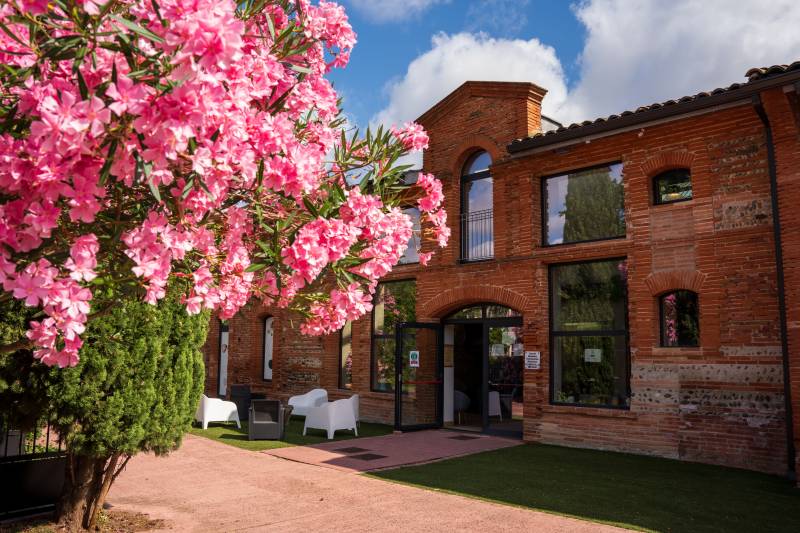
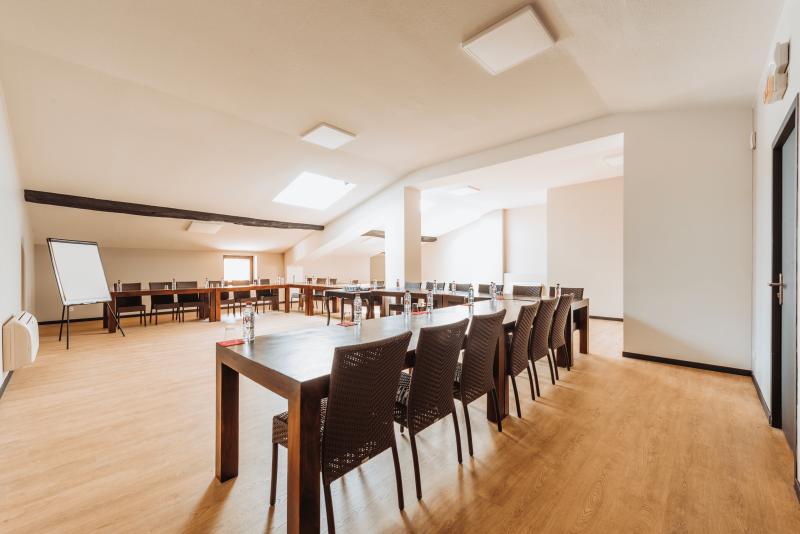

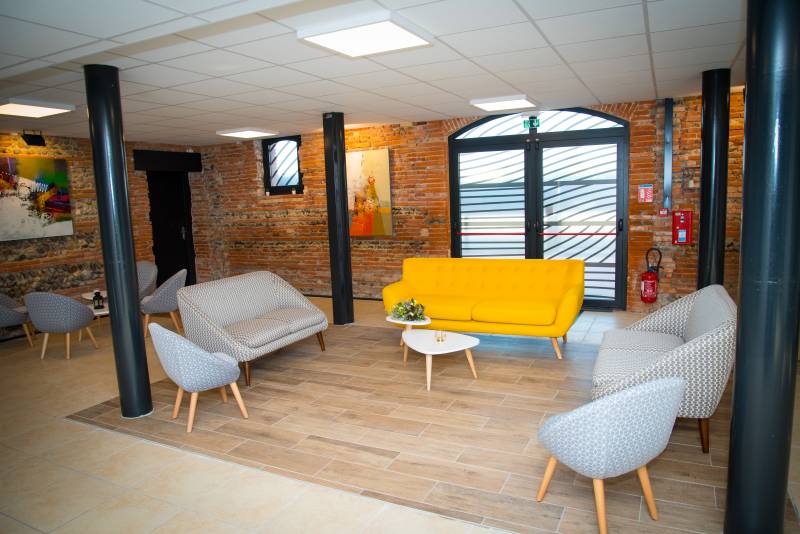
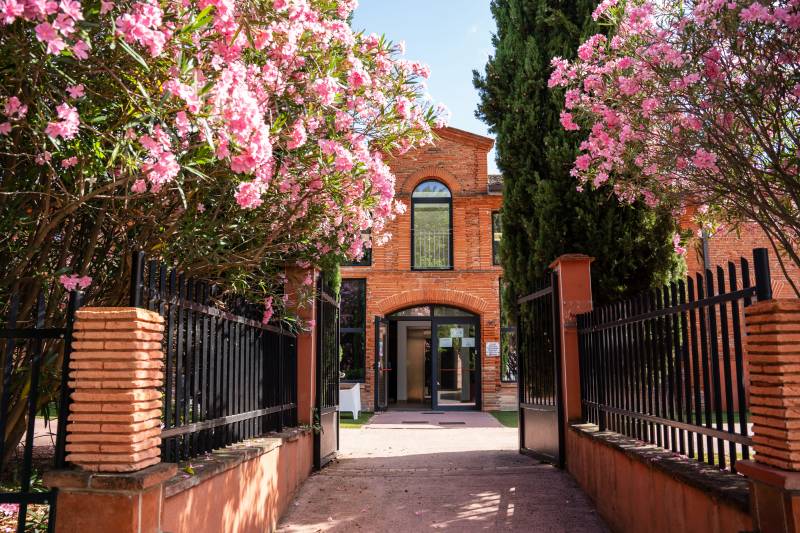
Rent a venue for events, photoshoots, and filming near Toulouse


Rent a unique atypical space perfect for product launches, photo shoots, and filming in Arles, France
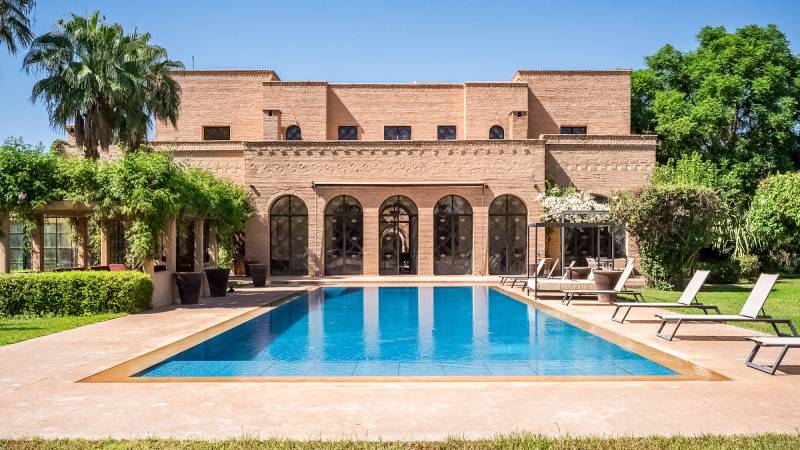
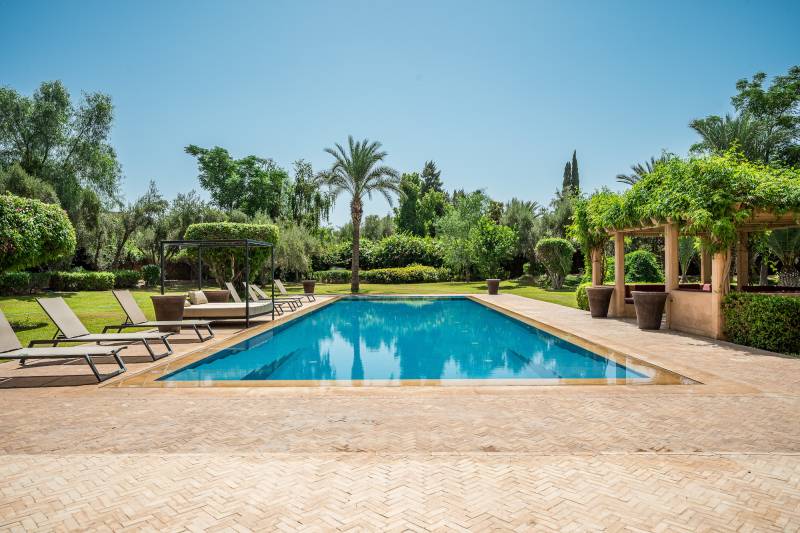
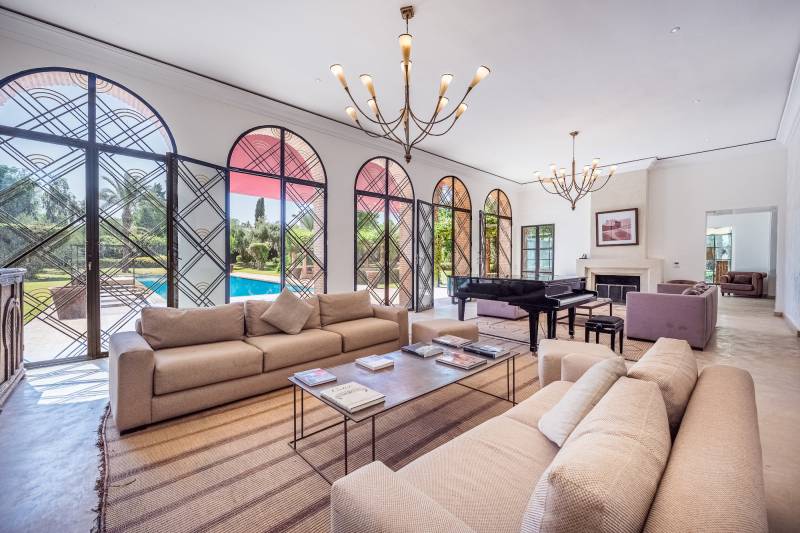
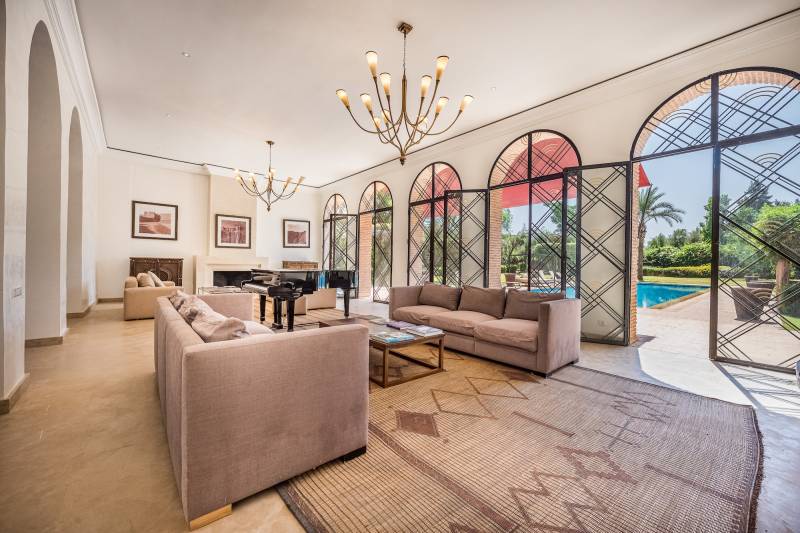
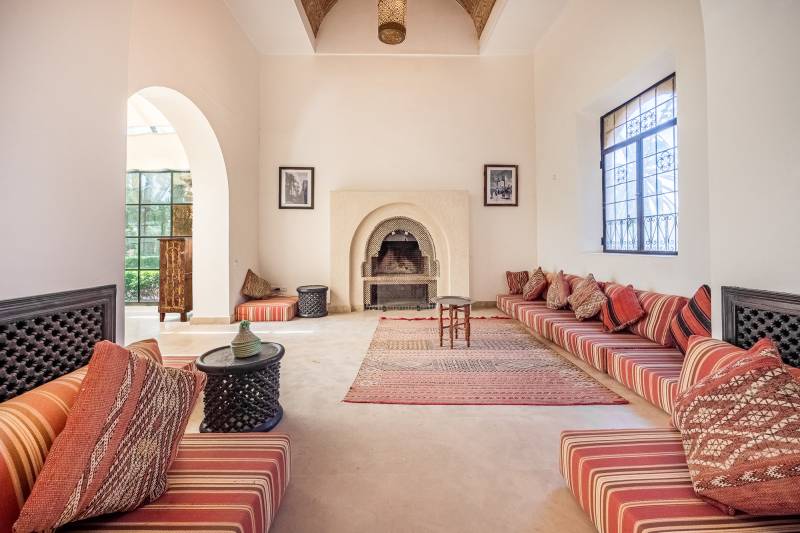
Rent a villa in Marrakech for photoshoots, filming, and events