- Home
- Ideas & Advices
- Film locations in Provence: the expert guide to renting a mas in 2026
Film locations in Provence: the expert guide to renting a mas in 2026

Description
Renting a Provençal mas for a film shoot: what nobody tells you before day one
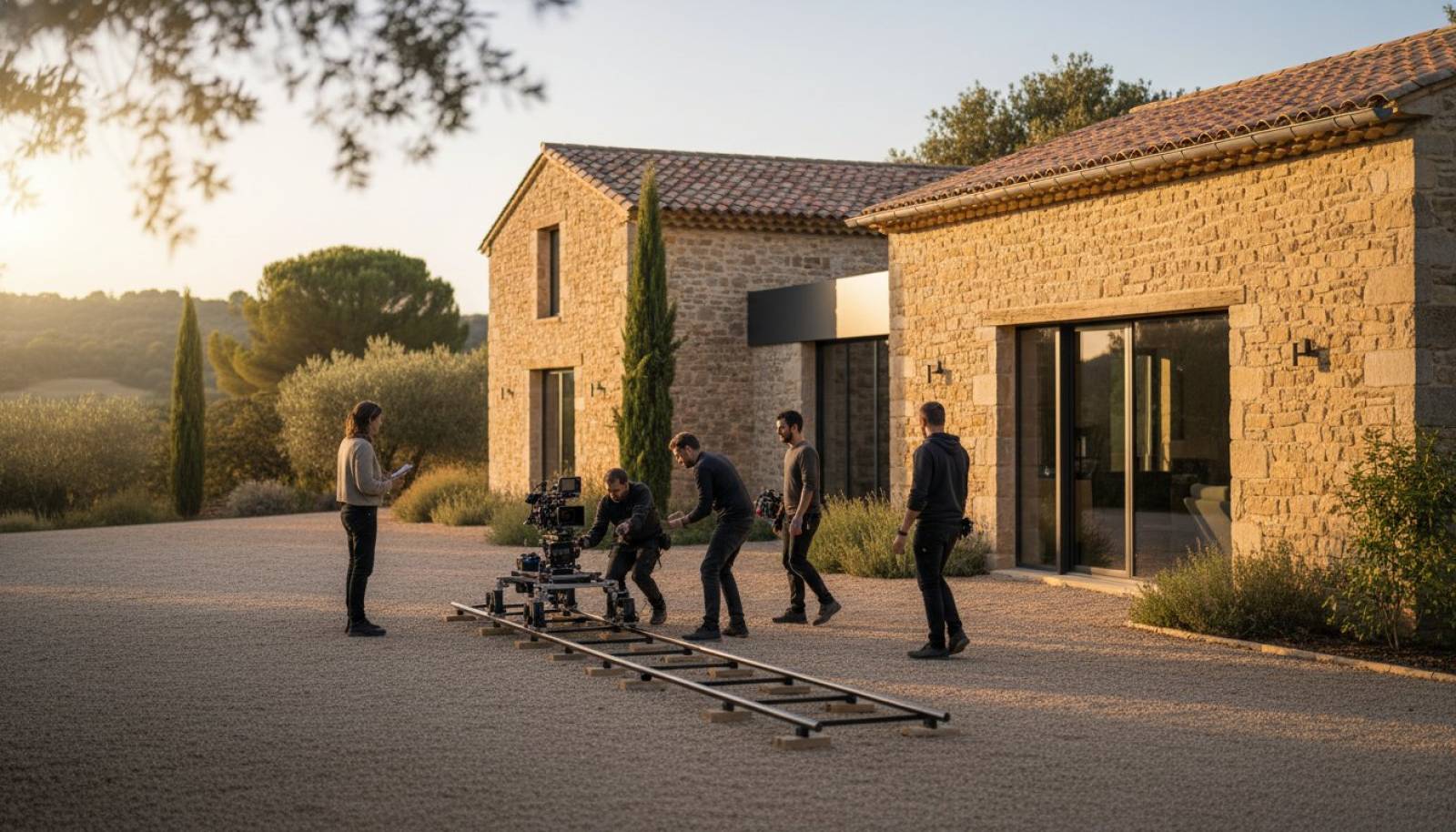
A stone farmhouse in the Luberon is exactly what your art director has in mind. It is also, potentially, what your production manager dreads: an access road too narrow for the equipment truck, overhanging branches blocking the technical vehicles, an electrical installation that cannot handle HMI lighting, an owner who had not anticipated what forty or fifty people actually look like inside their home. The charm of old stone and the technical demands of a modern set are not mutually exclusive. But making them work together is not something you can improvise. This guide covers what to verify, anticipate and secure so that the shoot lives up to the location and the project. Hire rates generally range from €2,000 to €8,000 per day, depending on the prestige of the property, the size of the crew, the shooting hours and the season. It is a budget that deserves serious preparation.
The aesthetic of the Provençal mas: why it works on camera
The light of the South of France
In Provence, light does not simply illuminate, it sculpts. The southward orientation of the main façades guarantees optimal exposure for exterior shooting. The mistral, by driving away clouds and airborne particles, produces a clarity and contrast rarely found elsewhere in France. As a result, it is often necessary to diffuse sunlight using specific equipment (4x4m frames with quarter, half or full diffusion fabrics), reflect it with mirrors or poly boards, or block it entirely with flags.
Inside, the small-paned windows create shifting patterns of light and shadow that directors of photography have been exploiting for decades. The reflectivity of pale stone softens shadows without losing contrast. It is light that works for you from the very first frame.
Textures
The camera loves material. The dry-stone walls of the Luberon, Roman terracotta roof tiles, antique terracotta floor tiles: these surfaces respond to the lens in ways that the smooth render of modern construction simply cannot replicate. The harmony between raw architecture and vintage furnishings allows the mood to shift from bourgeois country house to something more rustic or austere, without changing location.
Versatility of the spaces
A well-chosen mas offers a wide range of camera angles without ever leaving the property: Mediterranean gardens, shaded courtyards, vaulted interiors, terraces. This is what makes it as sought-after for period films as it is for fashion campaigns and advertising productions.
Technical criteria: what to check before signing
Access
This is the first sticking point on an isolated mas. A twelve-tonne equipment truck needs a generous turning radius and a firm, stable surface. A track that is too narrow forces a transfer of equipment into smaller vehicles, which extends set-up times and complicates the shooting schedule. Always check during the recce: width of the entrance gate, condition of the access road, distance between the unloading area and the set. Check whether the property has a second entrance that may be wider or easier to use. If your crew are carrying heavy flight cases across two hundred metres of uneven ground, the schedule starts suffering within the first hour. Parking is another critical point. Between picture vehicles, technical vehicles and those belonging to the cast, a mas courtyard fills up quickly. Identifying a parking area in the immediate vicinity is an absolute priority. It is also essential to plan space for the crew catering area, and to check whether there is room to park a mobile catering truck.
Electricity
This is the structural weak point of old buildings. A traditional mas rarely has the amperage needed to simultaneously power high-output HMI lights and catering equipment. Installing a generator is almost always necessary. This means managing noise pollution for direct sound recording, and finding a position far enough from the set. The thickness of the stone walls fortunately provides natural acoustic insulation that partially compensates for this constraint. Also check: fibre broadband or robust 5G coverage for live video monitoring by remote production teams.
Back-up areas
A crew of thirty to fifty people needs dedicated zones that stay out of frame. Plan for: an HMU (hair, make-up and wardrobe) space with natural light, a catering area sheltered from sun and bad weather, and secure storage for lenses and cameras. Beach carts are often invaluable for moving equipment between spaces.
Floor and surface protection
Antique terracotta tiles and period parquet floors are extremely fragile. Protective coverings, construction carpet or hardboard sheets, are essential from the moment installation begins. Wall corners in narrow corridors must also be protected when flight cases are moved through. This is not optional: it is a standard contractual requirement.
Luberon, Alpilles, Var or Côte d'Azur: where to set up the cameras?
The choice of area is not simply a geographical question. It is an artistic decision that defines the texture of the image.
The Luberon (Gordes, Bonnieux, Ménerbes): mineral aesthetic, golden light on dry stone, panoramic views. The register is one of timeless serenity and understated prestige. Ideal for productions seeking a classic, eternal Provence. The Luberon is genuinely beautiful.
The Alpilles (Saint-Rémy, Les Baux-de-Provence): steeper terrain, wilder vegetation, an almost dramatic atmosphere. Perfect for scenes of tension or contemplation, and for brand worlds looking to move beyond the usual softness of Provence. The Alpilles are equally compelling. There are also magnificent poppy fields from late April through to June, peaking in May.
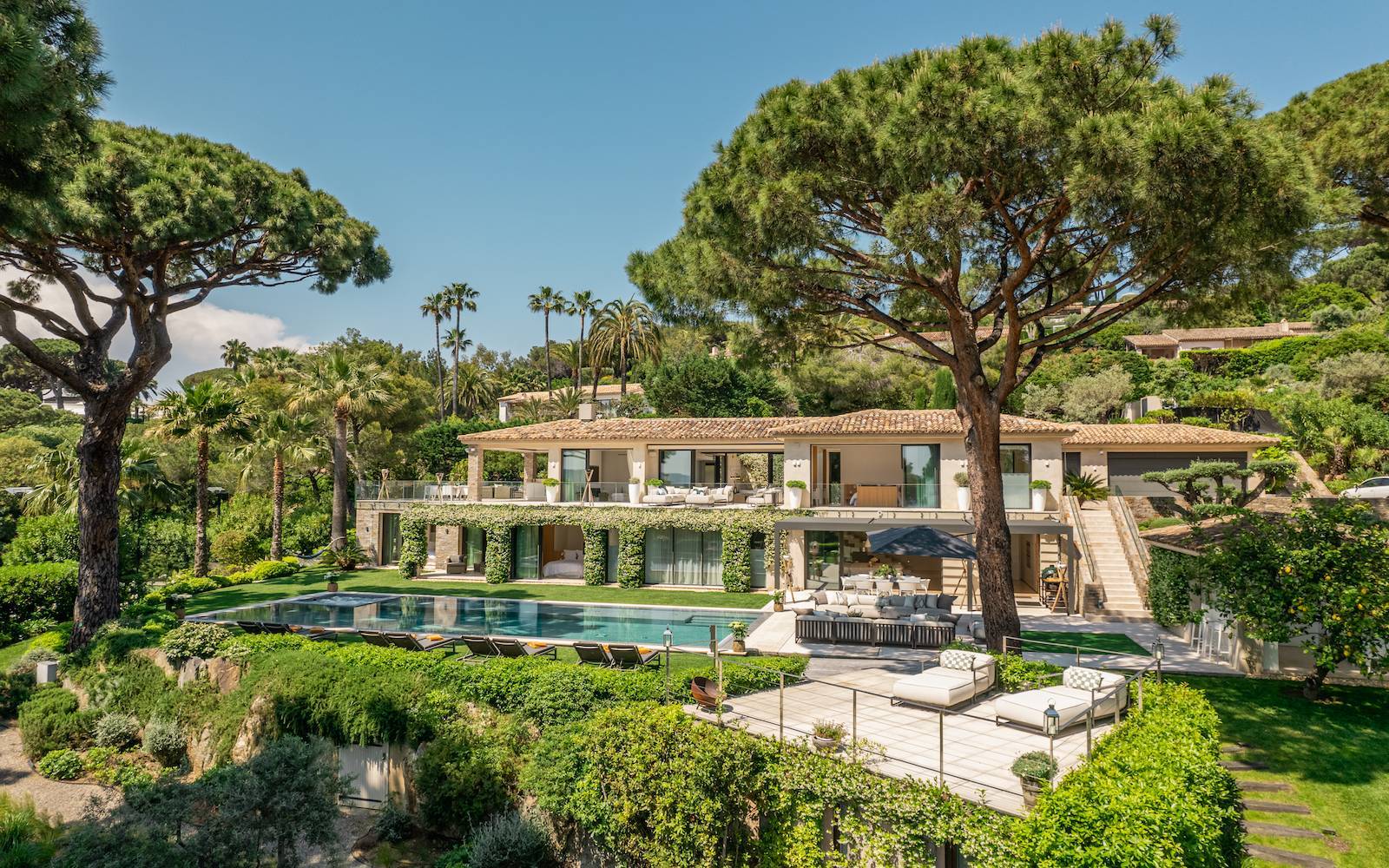
The Var: vineyards, umbrella pine forests, unspoilt estates. Rural authenticity without the over-exposure of the Luberon. Recommended for productions seeking the intimacy of a wine estate. Certain Var beaches are exceptional for filming, the beaches near La Londe, such as l'Estagnol and le Pèlegrin, where the pines run all the way down to the waterline, as in the photographs of Jacques-Henri Lartigue. The coastline is highly cinematic.
The Côte d'Azur and the Nice hinterland: major logistical advantage thanks to the proximity of Nice airport and established production infrastructure. The bastides here tend to be more Mediterranean in character, with lush, flowering gardens. Shooting in winter is particularly shrewd: maximum sunshine, summer light achievable while the rest of France is overcast.
Organisation: making a shoot in a private mas run smoothly
The contract
Renting a Provençal mas for a shoot in France requires a specific contract, distinct from a standard holiday let. It must detail the hours of access, the areas authorised for use, the conditions and rates for overtime, usage rights, and associated fees. In 2026, overtime is generally negotiated at around ten per cent of the daily rate per block of ten to twelve hours. Preparation and wrap days are invoiced at between fifty and seventy per cent of the full day rate.
The condition report
This is your best protection. It must be exhaustive, documented with photographs and video, and carried out in the presence of the owner or their representative before any equipment is brought in. The condition of floors, walls and any items of value must be recorded with precision. A security deposit of around €3,000 is frequently required. A practical note: anything fragile that could be damaged or that may be in the way should be put away before the crew arrives. During a recent shoot for one of our clients, an assistant knocked over a bottle of Armagnac worth €4,000. It could easily have been avoided by placing it in a cupboard beforehand. A costly oversight. Artworks also require attention: anything that may present issues for image rights should be covered or removed, and flagged to the production manager or location manager before shooting begins.
Insurance
The production must hold specific property damage insurance covering cinematographic activity. The owner's home insurance does not cover risks associated with a professional film shoot. This point is non-negotiable and must be explicitly stated in the contract.
Permits
For interior shooting, written agreement from the owner is sufficient. Any occupation of public space, parking equipment trucks on the road, installing materials on the public highway, requires a permit from the local council. Allow a minimum of fifteen working days. In the protected zones of the Luberon or the Alpilles, requirements may be stricter. This must be addressed at the recce stage.
The technical recce
This is the moment when artistic vision meets operational reality. The director of photography and the location manager validate every camera angle together, measure openings, assess the light at different times of day, and identify sources of noise pollution. The church bell in the neighbouring village ringing every quarter of an hour, a tractor in the vineyard, the sound of a main road five hundred metres away: identifying these factors in advance prevents unpleasant surprises during direct sound recording.
The relationship with the owner
A private mas is not a studio. It is a home, often carrying great personal and historical significance. The presence of a location manager acting as an interface between the technical crew and the owner is essential to maintaining trust throughout the shoot and ensuring the property is restored on time. For example, if the automatic irrigation system needs to be switched off while the cast are working on the lawn, the location manager must be able to act quickly, especially if the owner is absent. And equally important: to switch it back on once the final shot is called. Without that, the lawns can scorch under the Provençal sun. Trust between all parties is everything.
Easy Spaces: location scouting and production in Provence
Easy Spaces does not offer a holiday rental catalogue retrofitted for shoots. The agency assesses every property on its genuine technical qualities: gate widths, floor load capacity, electrical supply, access for heavy vehicles, and the owner's actual availability during the shoot. Only properties that pass this assessment enter the selection. Many owners of prestigious mas refuse to list on mainstream platforms. They work exclusively with agencies that understand the constraints of a working set and provide rigorous supervision from installation through to wrap. This is why some of the best locations available in Provence are only accessible through this channel. The support goes beyond scouting: hire of mobile dressing rooms and motorhomes suited to narrow Provençal roads, production vehicles, on-site logistics coordination. Over twenty years of experience in photo and film production, in France and internationally.
Frequently asked questions
What are the typical hire rates for a Provençal mas for a film shoot?
Between €2,000 and €8,000 per day, depending on the prestige of the property and the season, plus agency fees. Preparation and wrap days are invoiced at between fifty and seventy per cent of the full day rate. Certain high-end Provençal properties exceed this range, particularly in peak season.
Is a council permit required to shoot inside a private mas?
For interiors, written consent from the owner is sufficient. However, any use of public space requires a council permit. Allow a minimum of fifteen working days, longer in protected areas. This is a strict minimum.
Who is responsible for insurance during a shoot in a private mas?
The production must hold specific property damage insurance for the shoot. The owner's home insurance does not cover the risks associated with professional film activity. A security deposit is generally required. Easy Spaces collects the insurance certificate before any shoot takes place.
How far in advance should a Provençal mas be booked?
Two to three months ahead for the best properties. Six weeks is the minimum for faster-moving projects, factoring in the time needed to obtain administrative permits. We are well aware that projects are increasingly confirmed at the last minute. We are used to working under pressure, contact us, and we will help you save time in your search.
Is it possible to modify the décor or repaint a space?
Yes, with prior written agreement from the owner. Full restoration to the original state is mandatory and is invoiced at between fifty and seventy per cent of the daily rate. Everything must be returned to its original condition, with a condition report carried out before and after the shoot.
Can the crew stay overnight in the mas?
Generally not, in mas properties dedicated to professional shoots. These spaces are managed as working tools, not holiday accommodation. Mobile dressing rooms and motorhomes can be arranged on site for the comfort of cast and crew. Some mas do accept overnight stays, contact the Easy Spaces commercial team for more information.
Does Easy Spaces offer production services alongside location hire?
Yes: bespoke scouting, dedicated on-site location manager, mobile dressing rooms, production vehicles, nine-seat minivans, technical trucks, and full logistics coordination. The aim is to centralise all requirements with a single point of contact. The production team has over twenty years of experience in executive production for photo and film.
How are any damages handled?
On the basis of the condition report carried out on arrival and departure. Repair costs are deducted from the security deposit or covered by the production's insurance.
Article written by Camille Chevreuil, co-founder of Easy Spaces and Easy Production. A former photographer for Corbis and Getty for over fifteen years, and a location scout for more than twenty years, he works with brands and agencies from finding the ideal location through to on-site execution.
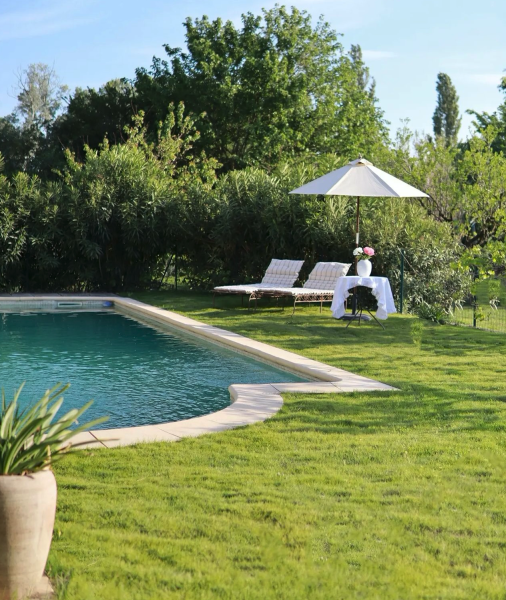
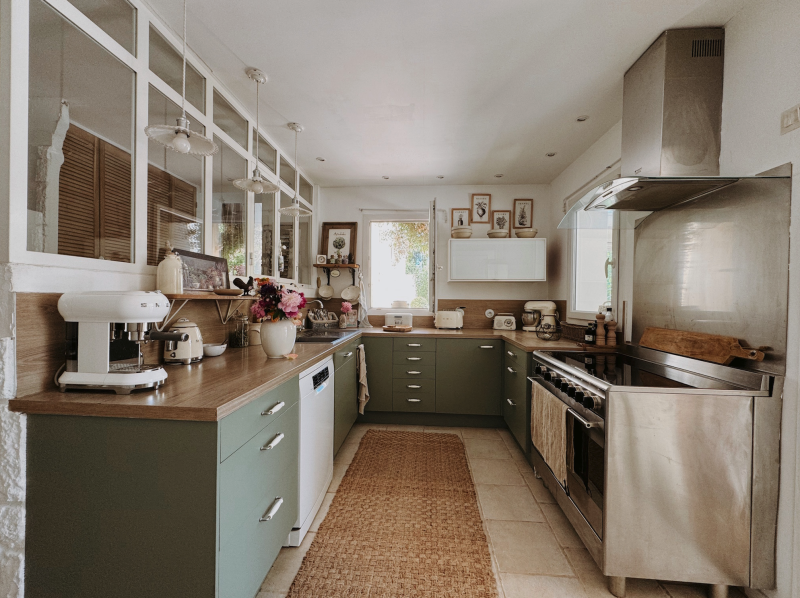
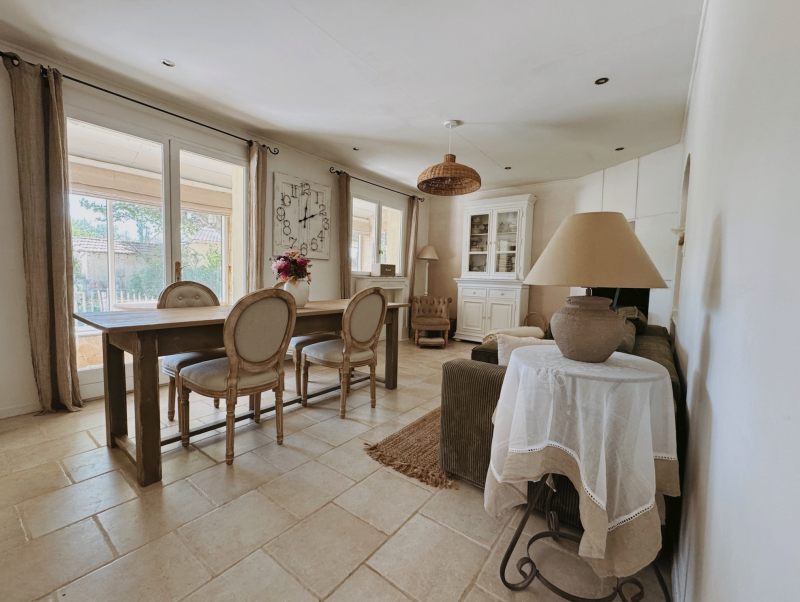
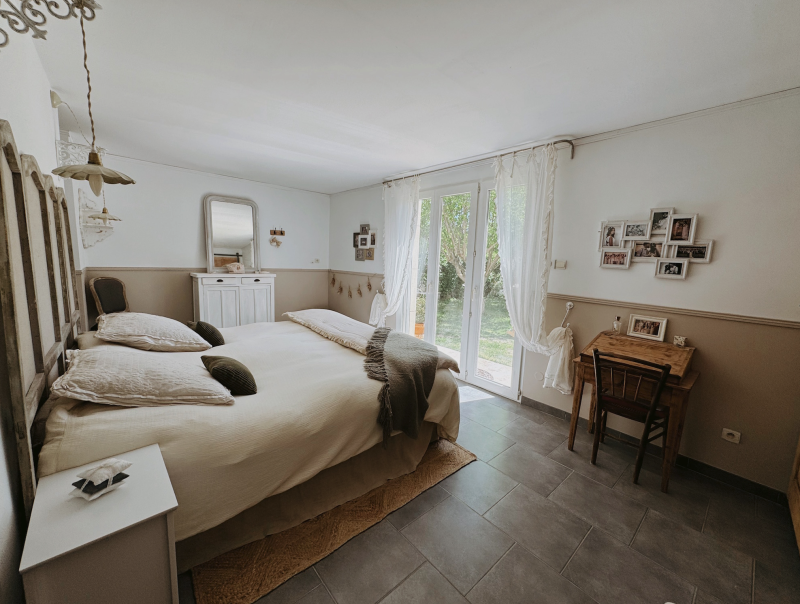

Charming Authentic Country House Perfectly Suited for Photo Shoots and Professional Events in Provence
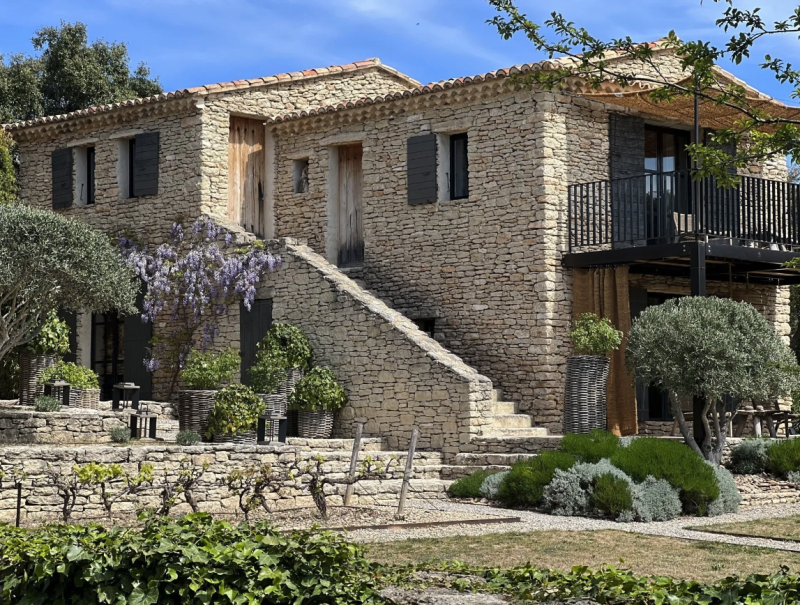
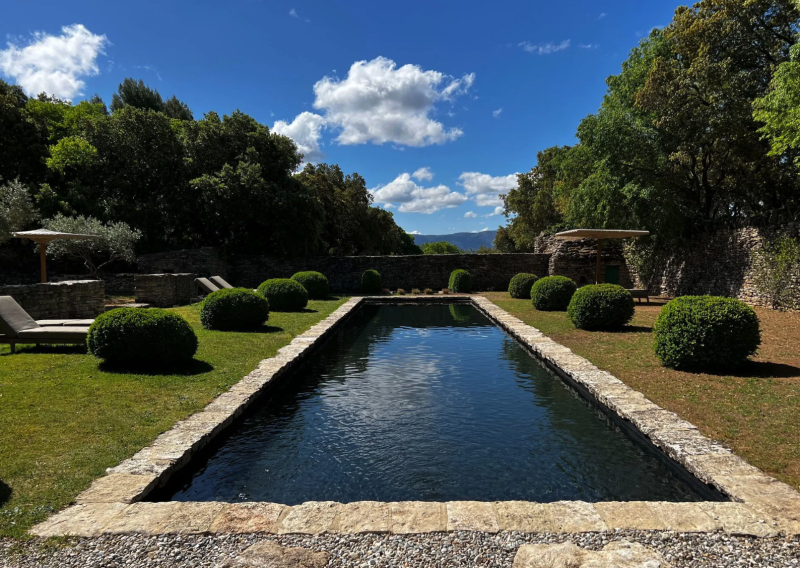
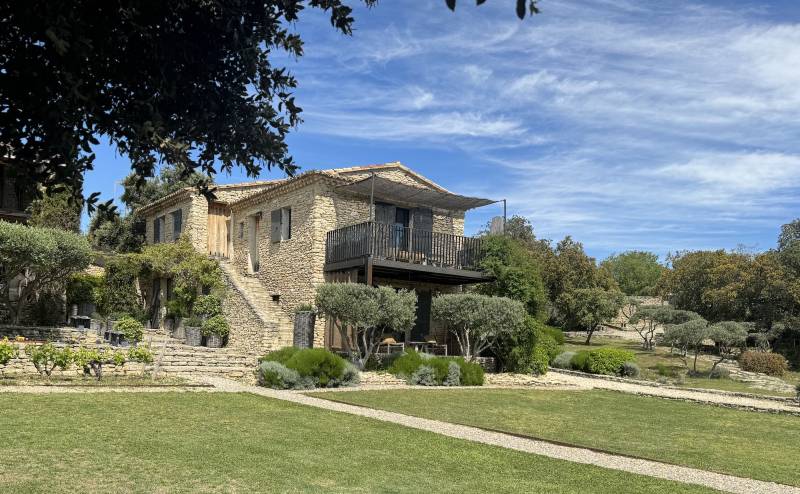
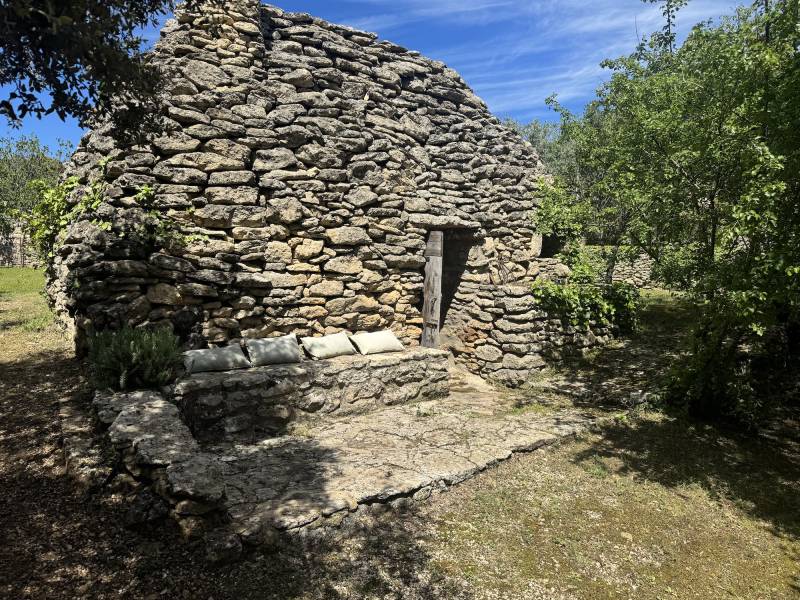
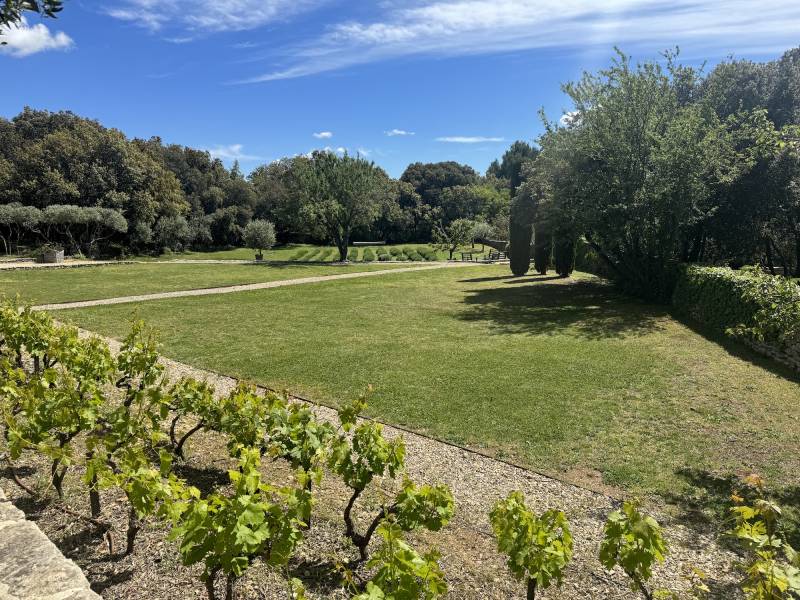
Charming Stone Villa Available for Rent Perfectly Suited for Photo Shootings or Film Shootings in Provence
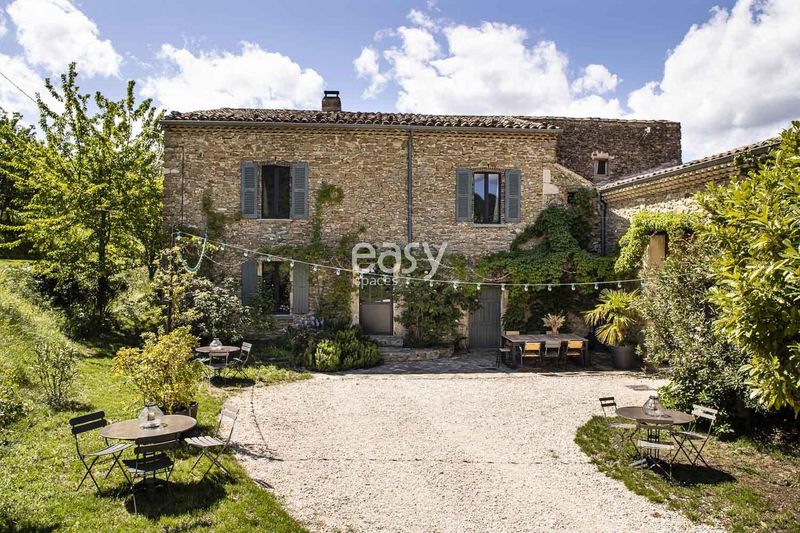
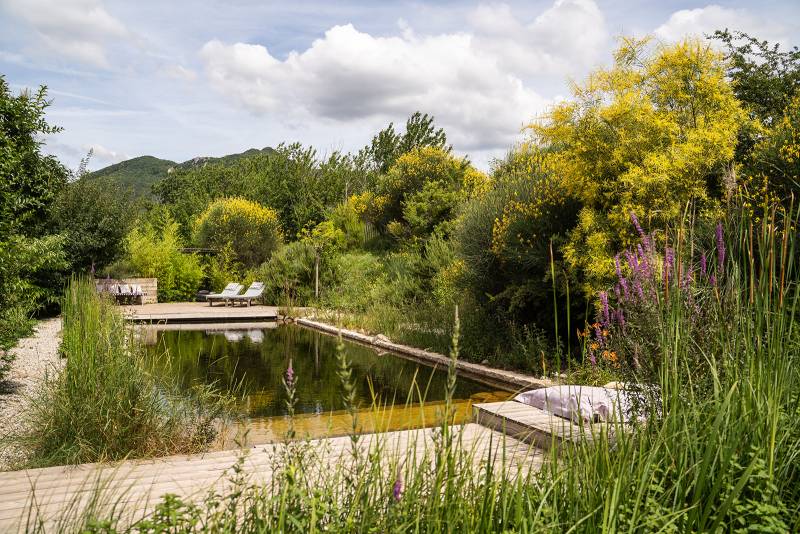
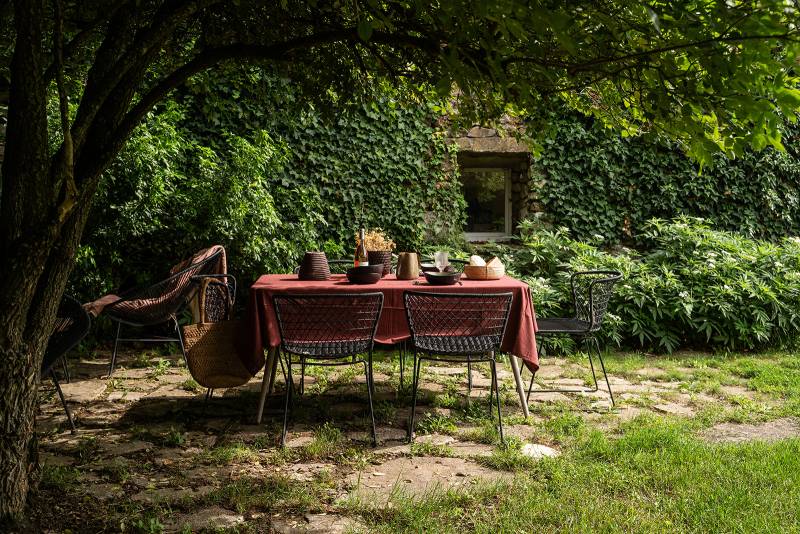
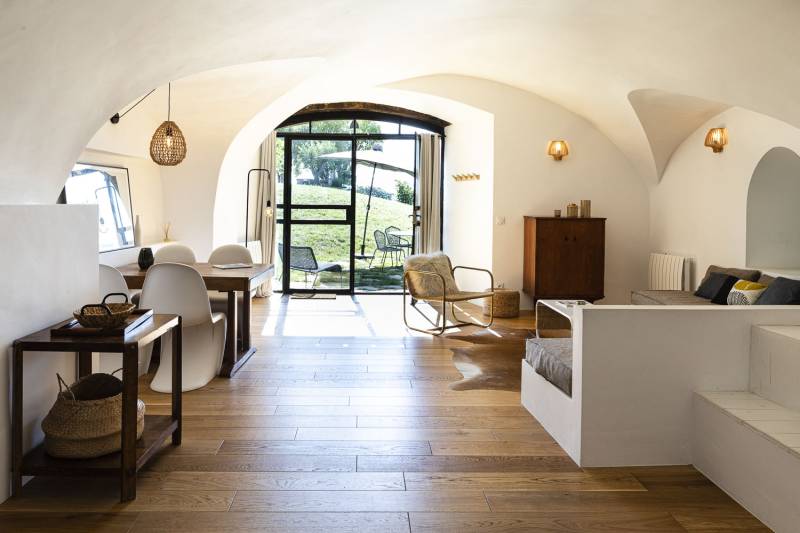
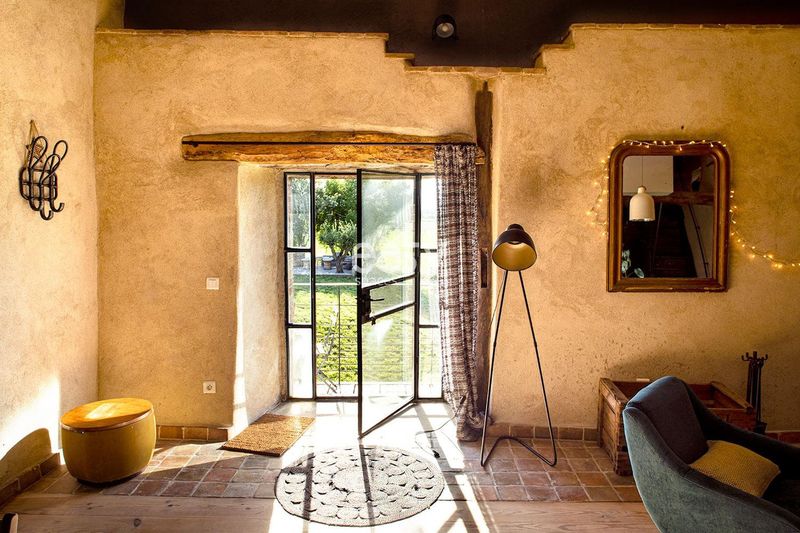
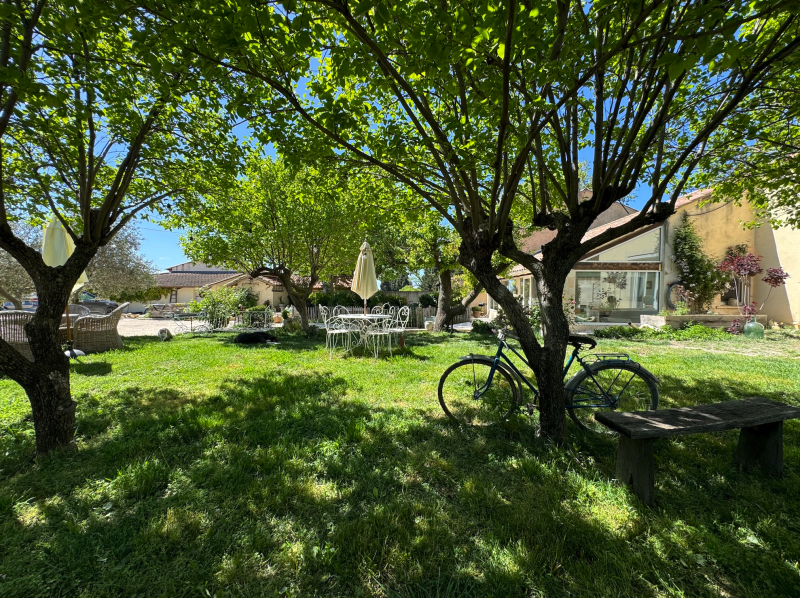
Provencal Countryside Mas Available for Renting for Professional Shoots, Filming, and Events Near Avignon in France