- Home
- Ideas & Advices
- How Can I Find Outdoor Event Spaces Available for Rent in the South of France?
How Can I Find Outdoor Event Spaces Available for Rent in the South of France?


Description
The short answer: you can find outdoor event spaces for rent in the South of France through a specialized location agency that knows the private market. Not a listing platform. Not a vacation rental site. An agency that has already vetted the properties, knows the owners, and can tell you whether a terrace holds 80 people or whether the neighbor two floors down will ruin your event at 10pm.
The longer answer is what this guide is about.
Why the South of France for an outdoor event
There's an obvious reason and a practical one.
The obvious reason is the setting. A terrace overlooking the Mediterranean at dusk, a Provençal garden planted with century-old olive trees, an estate in the Luberon with nothing but lavender fields in the background, these are environments that do the creative work before a single flower arrangement is placed. Guests remember where they were. That memory attaches to your brand, your product, your moment.
The practical reason is the weather. The South of France averages over 2,800 hours of sunshine per year. Between April and October, outdoor events run with a level of reliability that northern Europe simply can't offer. That changes the conversation about contingency planning, production costs, and what's actually possible outside.
What people don't always factor in is the concentration of variety. Within two hours of Marseille or Nice, you can move from a brutalist contemporary villa on the coast to a 17th-century bastide in the Var to an industrial loft with a rooftop terrace in the middle of the city. For a production or event company managing multiple formats in a single trip, that density is genuinely useful.
The types of outdoor event spaces that actually work in the South of France
Not every beautiful outdoor space works for a professional event. Here's how the main categories break down in practice.
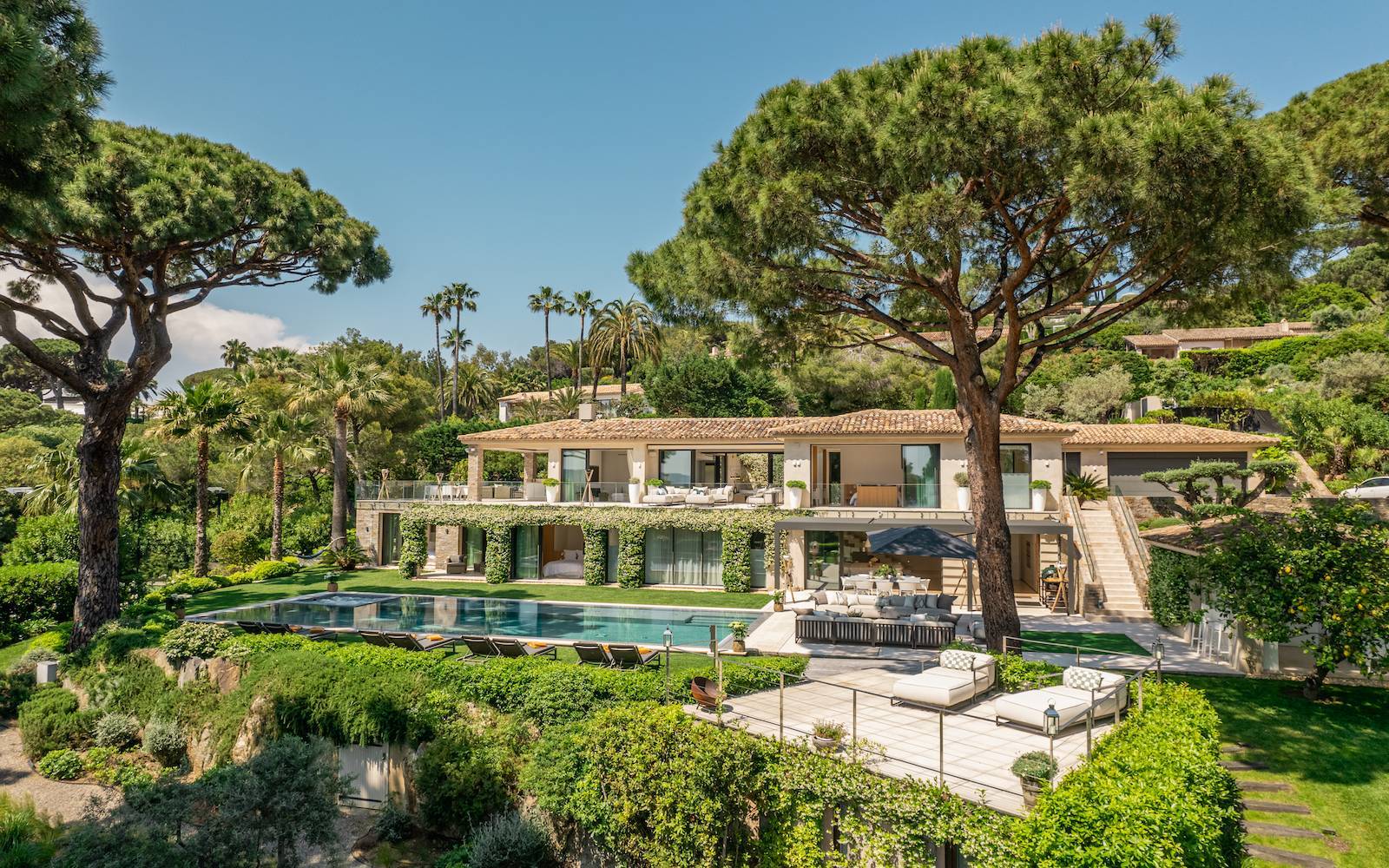
• Contemporary villas with terraces and pools are the most requested. Clean architecture, infinity pools that extend the visual horizon, flat terraces that allow for fluid furniture arrangements and easy catering logistics. The light in the late afternoon on the Côte d'Azur does something to these spaces that no lighting designer can fully replicate indoors. They work particularly well for product launches, private dinners, brand activations, and luxury corporate events. Their main constraint: access. Many are in gated residential zones on narrow private roads where a catering truck over 3.5 tons simply doesn't fit. This is never visible in the photos.
• Provençal bastides and mas offer something a contemporary villa can't: the feeling that time has slowed down. Stone walls, shaded garden terraces, ancient trees that create natural canopies for outdoor dining. These properties work exceptionally well for premium events, corporate retreats, and any event that needs warmth and a sense of place rather than architectural drama. Their limitation is crew access and, sometimes, the floor plan of the main house if you need indoor backup space.
• Estate grounds and domaines, the larger private properties with vineyards, formal gardens, or parkland, are suited for events that need scale. A product launch for 200 guests, a brand incentive weekend, a film shoot that runs across multiple visual environments in a single location. These properties exist in the South of France in a way they don't in most other regions, and most of them are entirely off the public market.
• Rooftop terraces in Marseille and Nice offer something different again: the urban version. City panoramas, architectural contrast, the energy of a port or a skyline. Useful for brand events that want to signal modernity, for corporate cocktail parties, for anything where the backdrop needs to say "now" rather than "timeless." Their technical constraints, electrical supply, noise ordinances, neighbor relations, are more complex than rural properties, and they require more logistical preparation.
• Mas and farmhouse gardens in the Luberon and the Var are the ones that photograph best on social media and stay in guests' memories the longest. There's something about an outdoor dinner table set between olive trees, with the garrigue in the background and the light fading over the hills, that produces a specific emotional response. These spaces are also the most seasonal, they're at their best between May and October, and that's the window most serious event planners are working in anyway.
What to verify before you book any outdoor event space
This is where most events run into trouble. A space can be genuinely beautiful and operationally impossible. These are the points that matter.
• Capacity and circulation. The number on a listing is rarely the number you should plan around. Gross capacity and working capacity are different things. For a seated dinner, factor in the table layout, the service path for the catering team, the bar position, and the space for guests to move between courses. A terrace listed at 150 people often works comfortably for 90 once you account for all of this.
• Electrical supply. Outdoor events need power for lighting, sound, catering equipment, and often heating or cooling. A residential property typically runs on 6 to 12 kVA, nowhere near enough for a professional event production. You'll need either a reinforced connection or a silent generator positioned close enough to the event space without killing the atmosphere. Check this before you sign anything.
• Sound and noise ordinances. In the South of France, local regulations typically restrict outdoor sound emissions after 10pm, sometimes earlier in dense residential areas. In some municipalities it's 11pm, in others it's 9:30pm. The regulation is property-specific and sometimes owner-specific, a landlord who has a good relationship with their commune can operate differently from one who doesn't. Get this in writing, not as a verbal assurance.
• Catering access. Your caterer needs to get equipment in, work in conditions that maintain food safety standards, and get out efficiently at the end of the night. Check kitchen facilities or the space available for a temporary setup, refrigeration access for a 4°C cold chain, and a clear path for service staff that doesn't cross the guest area.
• Weather contingency. Even in the South of France, weather can turn. A mistral can make an outdoor event untenable in under an hour. Every outdoor event space worth booking should have an interior fallback of equivalent usable surface. Get that fallback confirmed in the contract, not as an informal arrangement on the day.
• Vehicle access for production. If you're running a brand event with production trucks, staging equipment, or a significant lighting and sound rig, the access logistics matter as much as the event space itself. A beautiful driveway that can't handle a 19-ton truck means everything gets hand-carried, which adds hours and labor costs to your schedule.
The administrative groundwork nobody wants to deal with until it's urgent
Temporary occupation permits. If any part of your event uses public roads for parking or vehicle access, a Temporary Occupation Permit from the local municipality is required. Allow at least two weeks. In peak season, longer.
Neighbor communication. A letter to residents within a 165-foot radius, sent at least seventy-two hours before the event, significantly reduces the risk of noise complaints or police intervention during the event. This is standard professional practice. It's also what determines whether that venue stays available for future bookings.
Insurance. A Professional Liability policy covering a minimum of $1,600,000 in property and consequential damage is required by virtually every serious property owner. Get the certificate before the event date, not the morning of.
The contract itself. A solid rental agreement covers occupation dates and hours, load-in and load-out schedules, authorized zones on the property, maximum guest numbers, noise curfew times, and the conditions for the security deposit return. An photographic walkthrough completed by both parties before and after the event is the cleanest way to avoid disputes.
Budget reference points for outdoor event spaces in the South of France (2026)
These are working figures based on current market rates, not optimistic estimates:
- Contemporary villa with terrace and pool, Côte d'Azur: €3,500 to €15,000 per day
- Provençal bastide or mas with garden: €2,000 to €8,000 per day
- Estate grounds or domaine: €4,000 to €20,000 per day depending on scale
- Rooftop terrace in Marseille or Nice: €2,000 to €6,000 per event
- Agency fee: approximately 20% of the location fee
- Silent generator rental: €400 to €900 per day depending on capacity
Peak season on the Côte d'Azur, May through September, pushes rates up by 20 to 30% and availability down sharply. The best addresses book four to six months in advance. If you're planning a significant outdoor event for summer 2026, the conversation should be happening now.
Image rights are a separate negotiation if the event involves commercial photography or video production. For a global campaign, this can add 20 to 30% to the total location cost. It needs to be agreed before the event, not after the images are in post-production.
How Easy Spaces finds outdoor event spaces that aren't publicly listed
Easy Spaces is a location scouting and rental agency co-founded by Camille Chevreuil, a photographer who spent fifteen years working for Corbis and Getty, and his wife Sika Chevreuil, a producer. They built the agency because they'd been on both sides of events that went wrong due to location problems that should have been caught earlier.
The difference between Easy Spaces and a listing platform is the work that happens before a property appears in the catalog. Every space has been assessed on the criteria that matter for a professional event: real electrical capacity, vehicle access widths, sun orientation at the planned event hours, ambient noise levels at night, net usable surface area for guests, and the quality of the owner relationship. Technical files include floor plans, solar orientation data, parking logistics, and confirmed noise curfew times.
A significant part of the catalog is made up of properties that aren't publicly listed anywhere. Private estates, family-owned domaines, architect-designed villas whose owners are selective about who uses their property. Access to these spaces comes from twenty years of relationship-building, not from a search engine.
For projects with specific requirements, an outdoor space that's never been used for a commercial event, a property with a particular architectural character, a location that needs to meet precise technical specifications, Easy Spaces runs a bespoke scouting service. Scouts are on the ground within forty-eight hours.
Questions we get asked most often
How far in advance should I book an outdoor event space in the South of France? For peak season, May through September, four to six months is realistic for the best properties. Outside peak season, three to eight weeks is workable for most projects. The most in-demand addresses, particularly on the Côte d'Azur, run at close to full occupancy between June and August. If your event date is fixed, start the search early.
What happens if it rains? Every outdoor event space worth booking seriously should have an interior fallback of at least equivalent usable surface, or a heated glass structure. Get this confirmed in writing before you sign. A mistral or an unexpected summer storm can make an outdoor space untenable in under an hour, and a verbal assurance about a "backup room" isn't a contingency plan.
Can you bring your own caterer? About 65% of the properties in the Easy Spaces catalog allow free choice of caterer. The others require working with a list of approved partners, mainly for reasons of kitchen logistics and food safety management in the property. This is confirmed before the visit, never at the contract stage.
Are there restrictions on music and sound levels? Yes, and they vary by property and municipality. Most locations in the South of France operate under sound ordinances that limit outdoor emissions after 10pm, sometimes earlier. Some owners have established relationships with their local authorities that provide more flexibility. The specific curfew times are written into the rental contract. Don't rely on verbal assurances.
What's included in the location fee? The rental covers the use of the space as it stands. Catering equipment, lighting and sound production, furniture, floral design, and generator rental are additional. Approximately 30% of properties in the catalog include high-speed WiFi and reinforced electrical access. Everything else is confirmed in the initial brief.
Can a space be rented for a half-day? For smaller events and photo shoots, yes. Most owners offer half-day packages of four to five hours, billed at 60 to 70% of the full day rate. For full production events, the day rate is the standard unit.
Do you handle the administrative paperwork? For properties in the Easy Spaces catalog, yes. The agency establishes the occupation agreement directly with the owner, coordinates on permit requirements, and provides the documentation needed for insurance certificates. The goal is a single point of contact from the first inquiry to the last guest leaving.
Camille Chevreuil is co-founder of Easy Spaces and Easy Production. A photographer for Corbis and Getty for fifteen years, he works with luxury, automotive, and interiors brands on location, from the first scout through to the end of production.
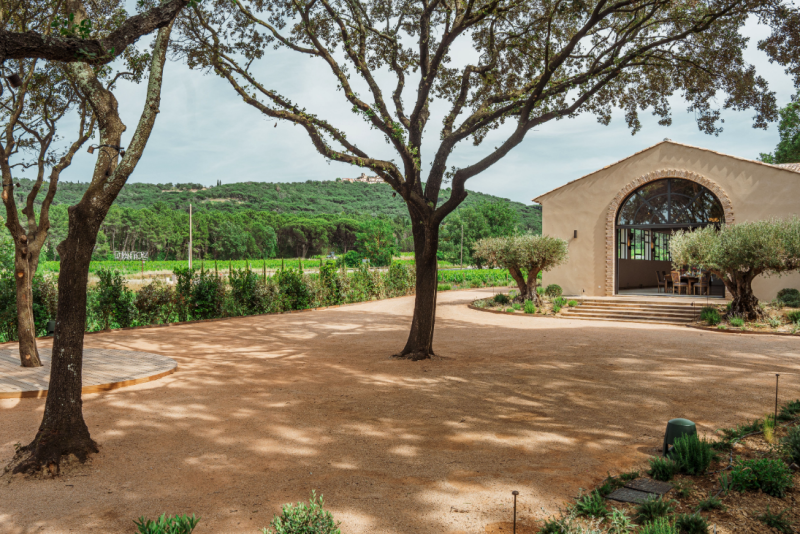
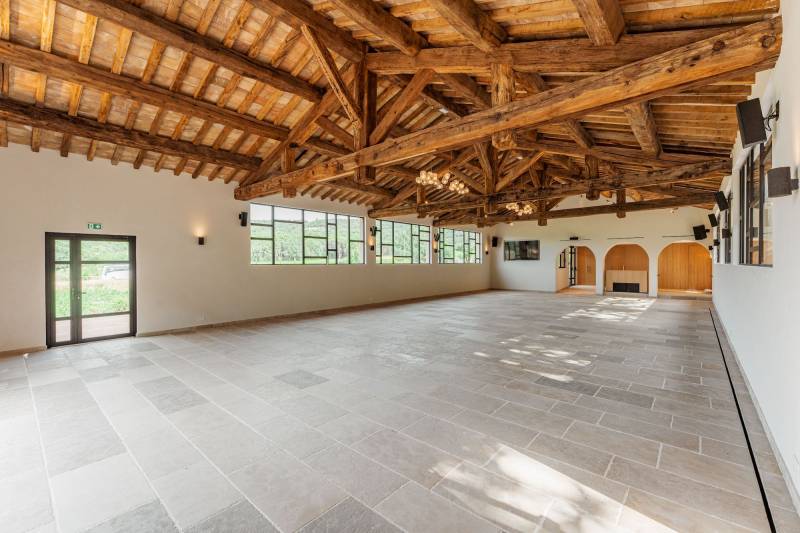
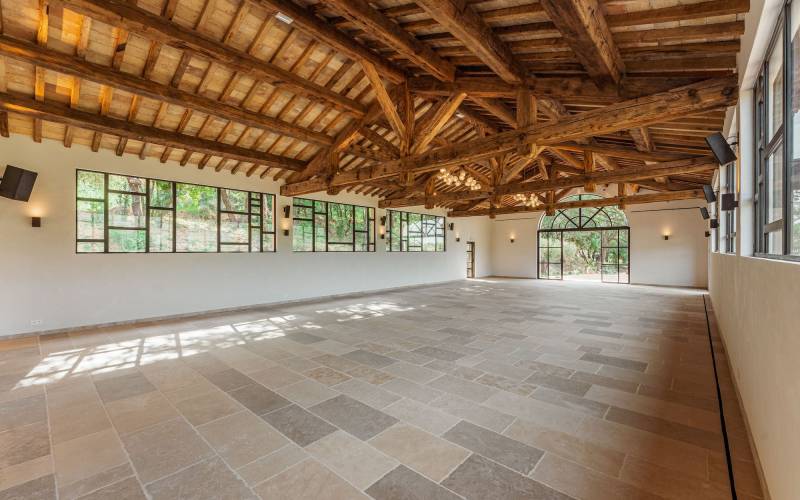
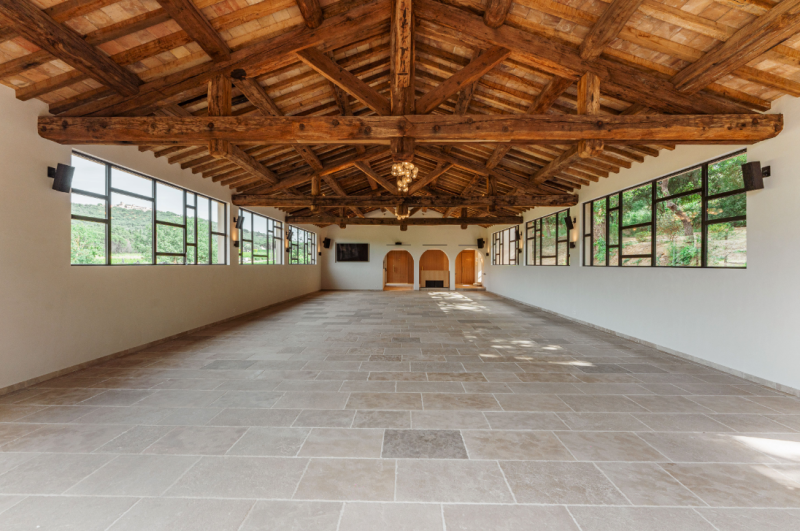
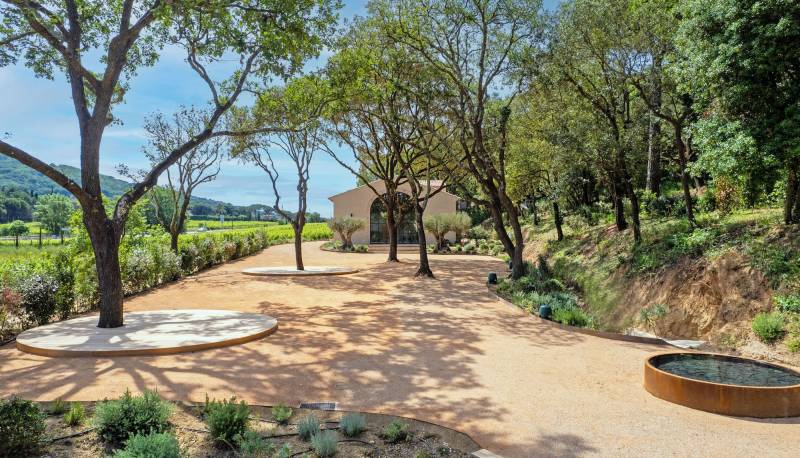

Event Venue Available for Rent Suitable for Roadshows and Professional Gatherings Near Saint-Tropez Area
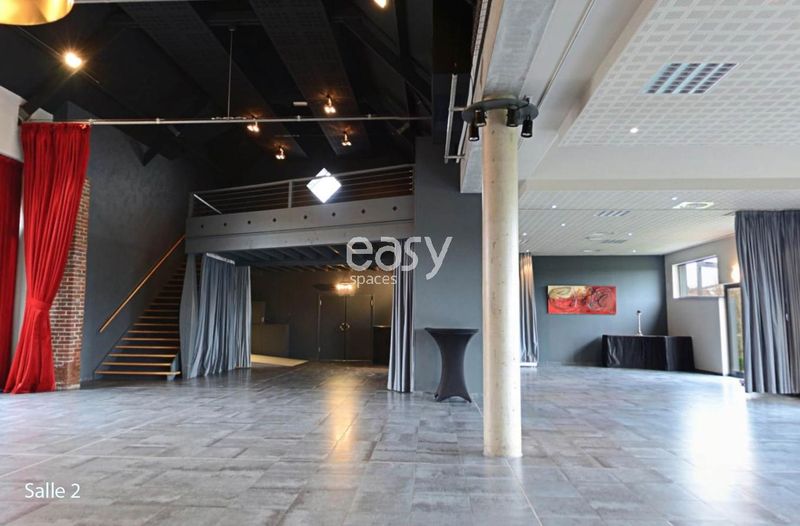
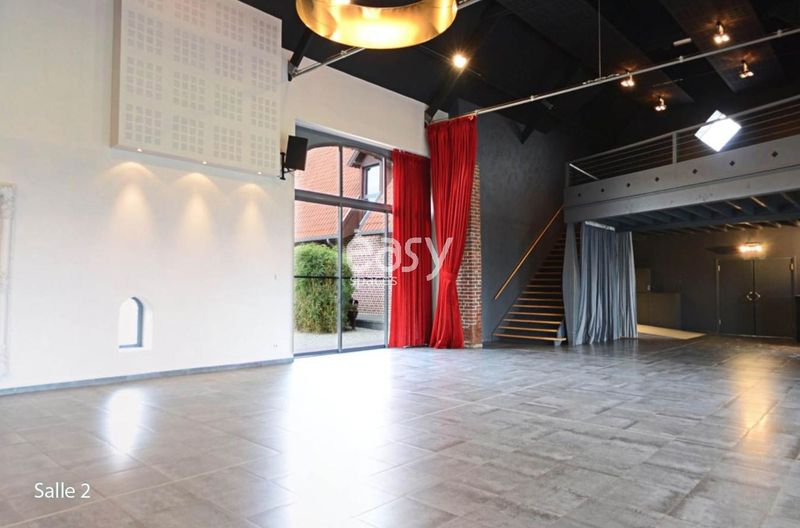
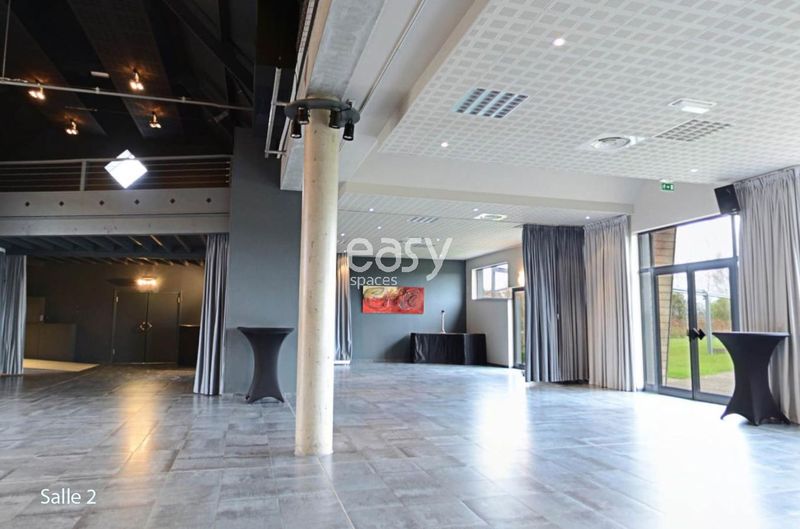
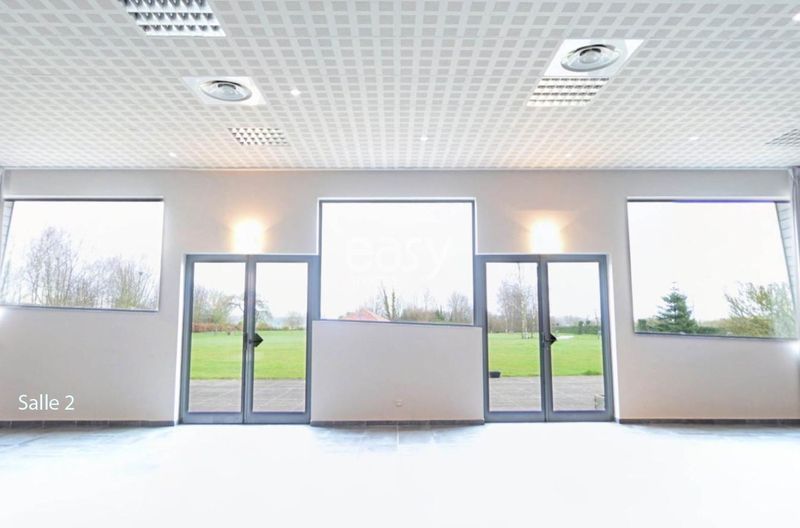
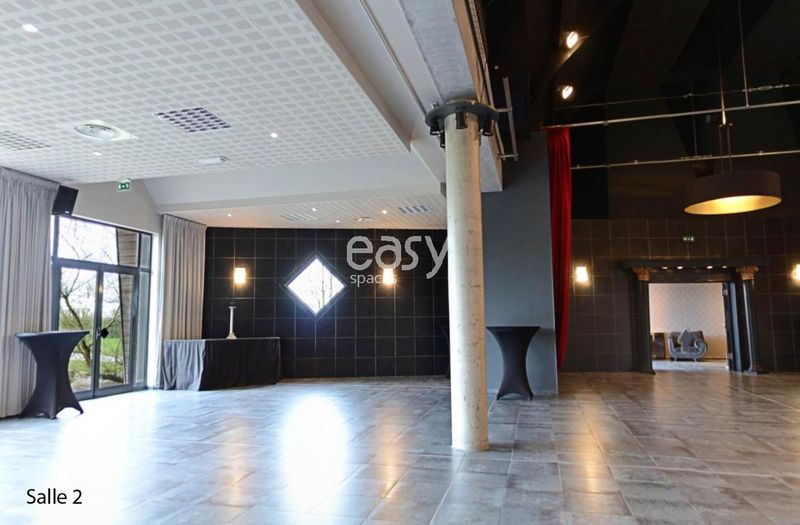
Event Venue Rental Space Perfect for Product Launches and Corporate Roadshows in Lille Area
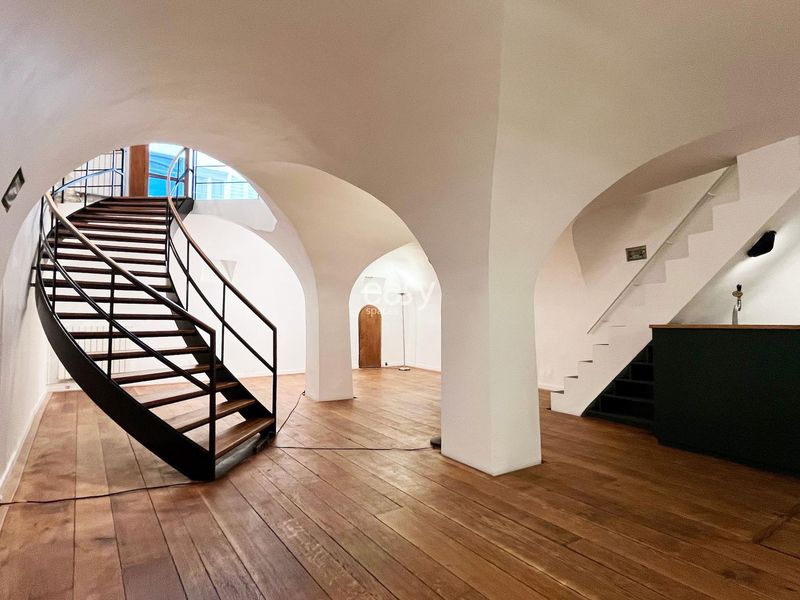
Exceptional and Unique Space Rental Solutions for Events and Showrooms in Paris City Center