- Home
- Ideas & Advices
- Rooftop Paris: The Guide to Exceptional Venues for Your Shoots and Events
Rooftop Paris: The Guide to Exceptional Venues for Your Shoots and Events

Description
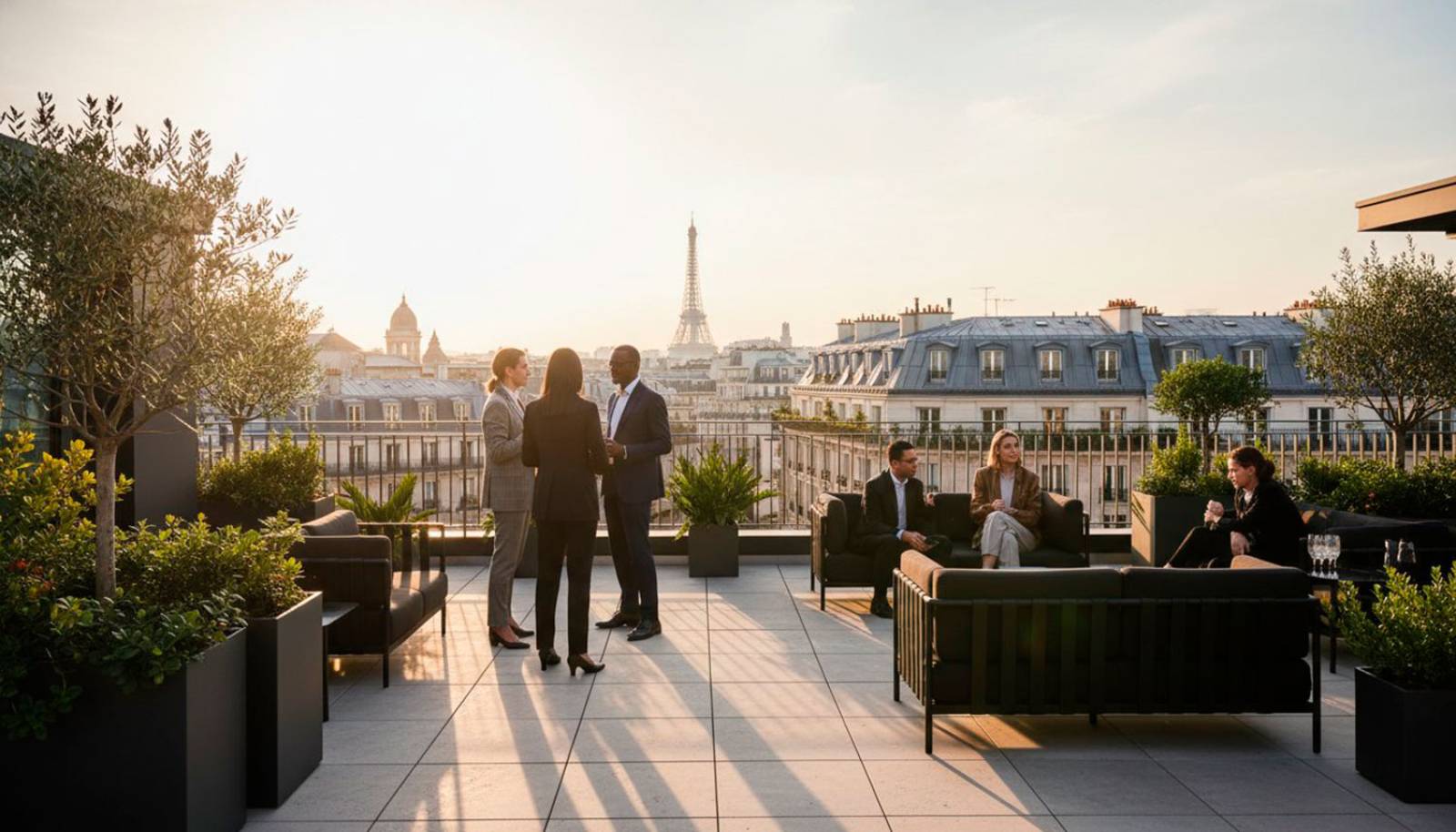
Renting a Parisian rooftop terrace for a professional production costs between $1,600 and $5,500 per day. Sometimes more. What nobody tells you is that the price isn't the problem. The problem is everything that happens before you set foot on the zinc roofing for the first time.
This guide exists for that reason.
Why a rooftop actually changes a photo or film production, and not just aesthetically
You might think it's purely a question of setting. That would be too simple.
What genuinely changes when you work at height in Paris is the light. Twenty meters off the ground, you no longer have the shadows from surrounding buildings crushing your subjects, or the reflections from storefronts polluting the image. The light is cleaner, more stable, more generous. Any director of photography who has worked both settings, studio and rooftop, will confirm this without hesitation.
There's also something that numbers don't capture well: the effect it has on the crew. A set up high, with Paris as the backdrop, changes the working atmosphere. People are more focused, more invested. It's not anecdotal, it shows up in the final images.
And then there's the commercial argument, colder but just as real. The Haussmannian roofline is recognizable in 160 countries. Associating your product with that backdrop is an immediate export value for your international campaigns. Not a cliché, a market reality.
Private terrace vs. public space: a choice that isn't really a choice
On a Parisian public space, you depend on authorization from City Hall or the Prefecture. It can be denied, delayed, or come with conditions that make your photo or film production impossible. On a private terrace, you control your perimeter. Your teams, your schedule, your access. It's a fundamental difference, especially on projects where timing is tight.
Before you get excited about a venue: the four technical questions to ask
The problem with rooftops is that the photos are always beautiful. The reality sometimes isn't.
Solar orientation, and why it will dictate your entire day
In June in Paris, the evening golden hour falls around 9pm. In September, it arrives around 7:30pm. The sun's trajectory determines your shooting windows, and a Haussmannian chimney stack in the wrong position can plunge you into complete shadow in under fifteen minutes. Before any location scout, use SunCalc.org: enter the address, pick the date, and simulate the solar trajectory hour by hour. It's free, it's accurate, and it avoids unpleasant surprises. That way you have the right information about the light going in.
Structural load capacity, the point property owners consistently downplay
A terrace classified as an ERP must legally support 500 kg per square meter. But many Parisian co-owned buildings, particularly Haussmannian structures, fall below this threshold under real conditions. Before installing heavy furniture, cinema projectors, or a pop-up bar, ask for the structural calculation notes. Not the co-ownership regulations, the structural calculation notes. They're not the same thing, and if the owner can't provide them, that's a signal.
Vertical access, the logistical nightmare you always discover too late
A standard elevator handles 630 kg. A professional cinema lighting kit can exceed that on its own. Look for a freight elevator with a door opening of at least 35 inches, and ideally a technical access route independent of the shared residential areas. Otherwise, you'll be moving everything up in multiple rotations, in an elevator shared with residents, during hours when that's not supposed to happen. It occurs more often than you'd think.
Electrical supply, something nobody talks about enough
A single-phase 6 kVA connection is what you'll find in the majority of private Parisian terraces. That's insufficient the moment you're running a caterer and a lighting rig simultaneously. Require three-phase 32A power, or verify that it's possible to run a cable down from a generator positioned at the base of the building. This question needs to be asked on the first call, not during the site visit.
What differs depending on your project: photo shoot or event
These two uses are not managed the same way. Mixing them up consistently leads to budget or logistical errors.
For a photo or video shoot
You don't need a massive surface area. 650 to 1,300 square feet is enough for most fashion productions. What matters is the distance for your lenses, managing reflections from surrounding glazed buildings (polarizing filters are virtually mandatory on certain Parisian rooftops surrounded by modern structures), and a symmetric fiber connection of at least 100 Mbps if you're transferring footage directly to clients.
On drones: in the Parisian urban zone, the DGAC's S3 scenario requires filing a dossier with the Prefecture of Police at least 5 working days before the flight. Even on a private terrace. Flying over the surrounding public space remains subject to authorization. Don't count on a last-minute exception, they don't exist.
For a corporate event
Count on a minimum of 1,600 square feet to accommodate 80 people with circulation that stays fluid. The typical duration, 6:30pm to midnight, exposes you to prefectural regulations limiting outdoor sound emissions to 80 decibels after 10pm in dense arrondissements. This point is often glossed over at signing and regularly becomes a source of conflict with neighbors or co-owners. Verify it contractually before booking.
On security: 1 agent per 100 people is the baseline rule. For teams exceeding 19 people at certain venues, a SSIAP 1 certified agent may be required by the co-ownership regulations. And no, you won't necessarily discover this by reading the rental contract.
Timelines and administrative steps, what nobody reads until it's too late
Here are the real lead times to plan for, by production type:
- Photo shoot without drone: 3 weeks minimum
- Advertising shoot with a crew of more than 10 people: 45 calendar days
- Corporate event in high season (May through September): 3 to 6 months
The most in-demand venues run at close to 90% occupancy between May and September. If you wait a month before your date, you end up with whatever's left.
On insurance: a Professional Liability policy covering a minimum of $1,650,000 is required by the vast majority of property owners. It's non-negotiable, and it's systematically requested before entry on site. Plan also to document the condition of the surfaces, zinc, resin, waterproofing membrane, in photos before and after. The reinstatement clauses are precise, and disputes on this point do happen.
What Easy Spaces does, concretely
Easy Spaces is not a listing platform. It's a location agency for shoots, film productions, and events in Paris, co-founded by Camille Chevreuil, a professional photographer for Corbis and Getty for fifteen years, who knows these venues from the angle that most salespeople never look at: the real production feasibility of a photo or film project.
What that changes in practice:
- Venues in the catalog are verified in advance on the technical criteria that matter, sun exposure, structural load capacity, access, electrical supply. Not just photographed.
- Administrative procedures, occupation agreements, coordination with co-owners, prefecture dossiers for drones, are handled directly by the agency.
- Certain venues are not publicly listed. They exist only within this kind of owner network built over twenty years on the ground.
The real time savings come from avoiding the back-and-forth between property owners, building management bodies, and the prefecture, exchanges that can consume several full working days on a demanding project.
Reference rates (2026)
- Half-day (4 hours), photo shoot: $880 to $3,300
- Full day, film shoot: $1,650 to $7,500
- Evening event: $2,750 to $15,000
- Technical location scout: $500 to $1,000
These rates vary primarily by arrondissement, direct views of monuments, surface area, and what's included in the rental.
Questions we get asked often (FAQs)
Can you rent for a half-day? Yes, some property owners will agree to it. It's ideal for targeting a precise light window, the evening light on the zinc rooftops, for example, without paying for a full day. Check with your contact at the Easy Spaces location agency.
What happens if it rains? Any venue worth booking should offer an interior fallback space of at least 650 square feet, or a heated glass structure. A Parisian downpour can shut down a film production or photo shoot in two minutes.
Does the agency handle authorizations? For venues in its catalog, yes. Occupation agreements, coordination with property owners, and support on prefecture dossiers for drones. It's not an add-on, it's included in the booking process.
Can you bring your own caterer? About 65% of Easy Spaces venues allow it. The others require working with a list of approved partners, mainly for reasons of logistics at height and cold chain management. This is clarified at the first visit, not at signing.
Camille Chevreuil is co-founder of Easy Spaces and Easy Production. A photographer for Corbis and Getty for fifteen years, he works with luxury, automotive, and interiors brands in their search for locations, from the first visit through to on-the-ground execution.
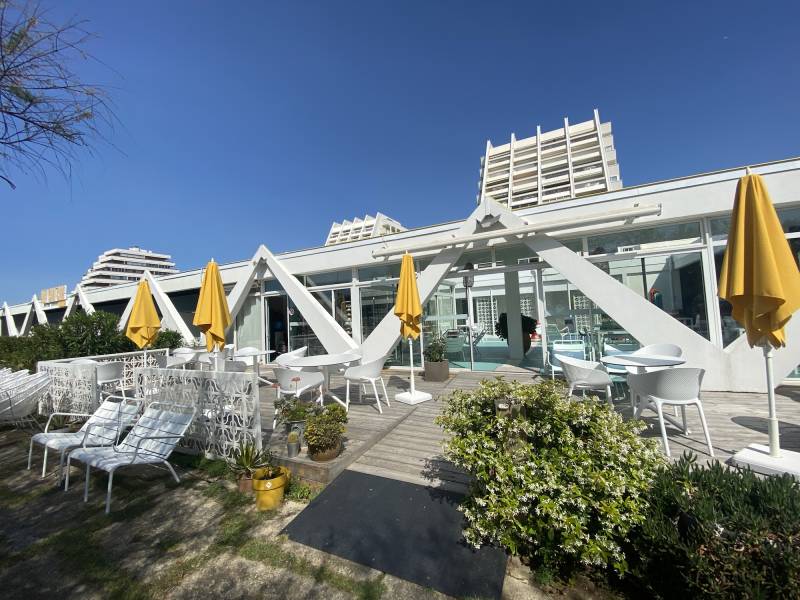
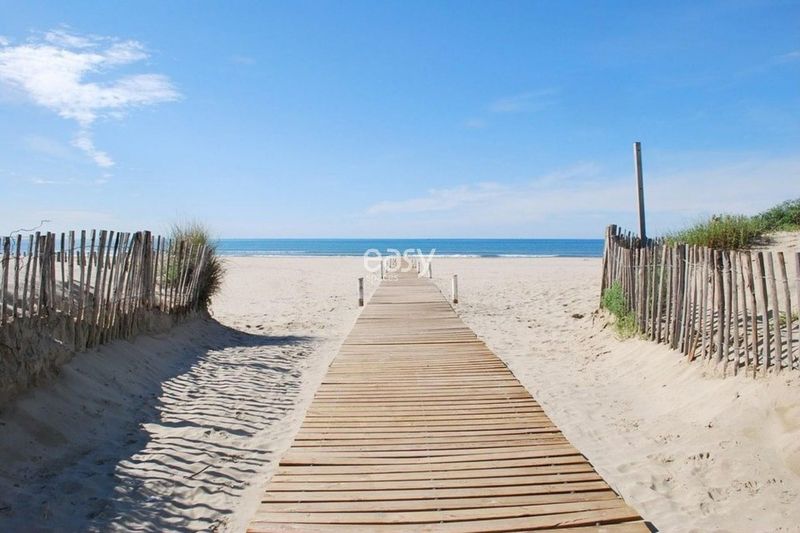
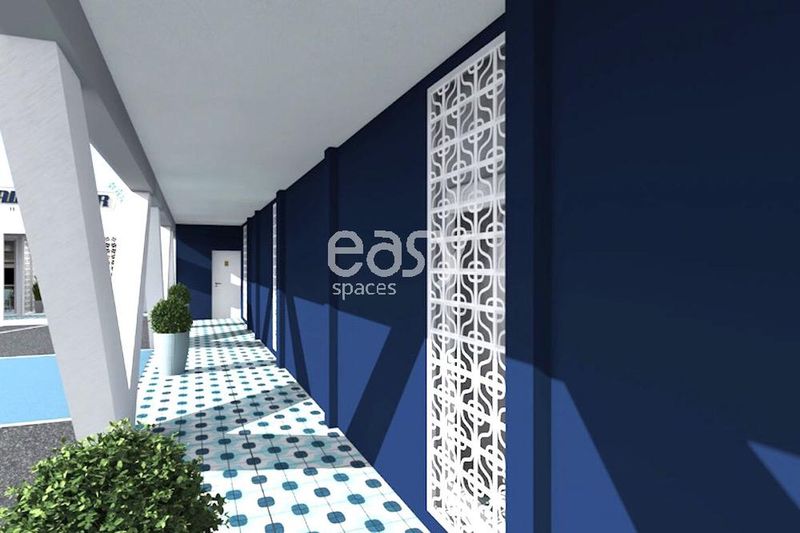
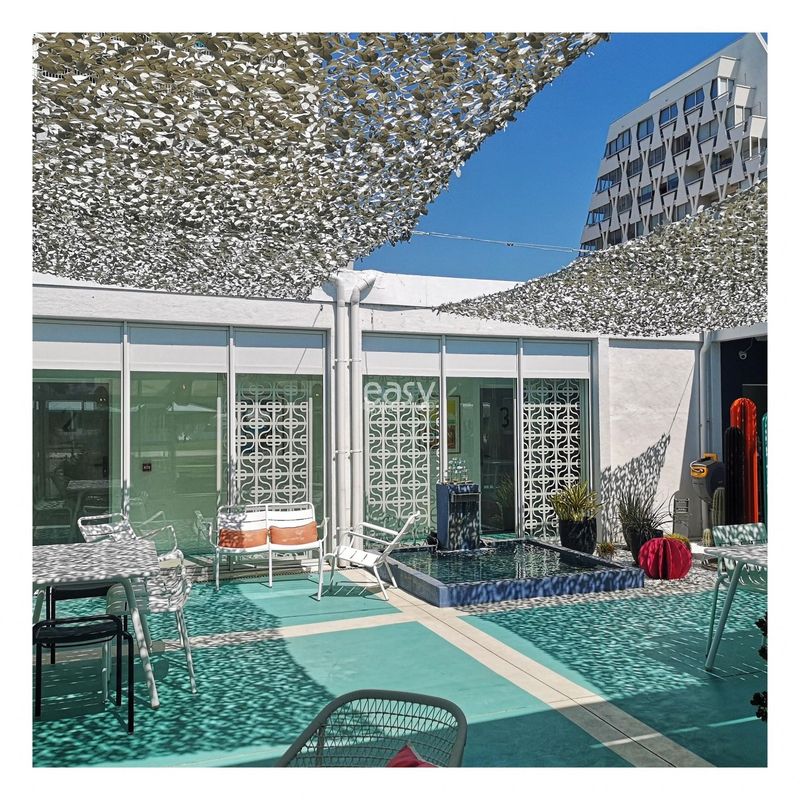
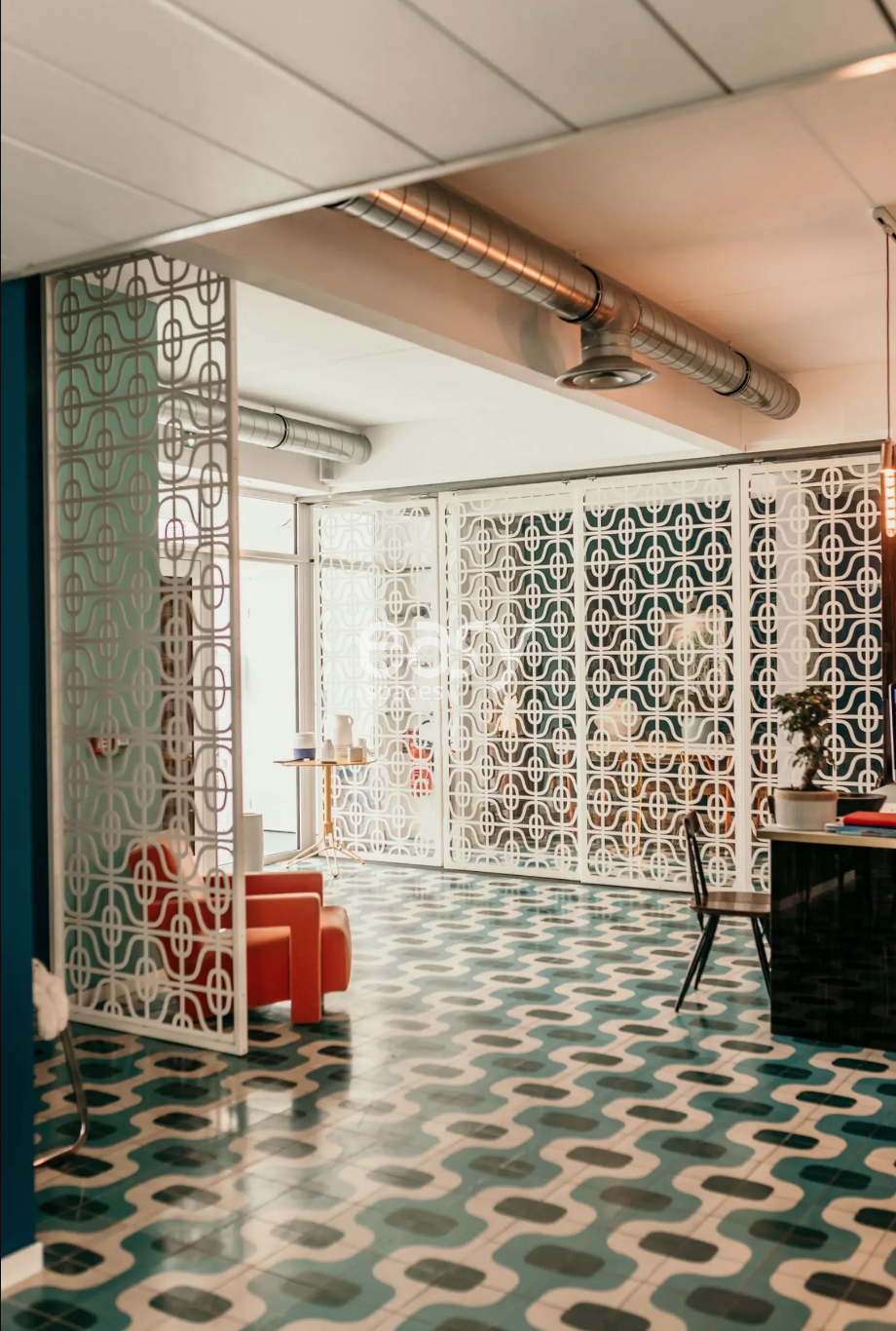

An exceptional waterfront location perfectly suited for photo shoots and filming near Montpellier
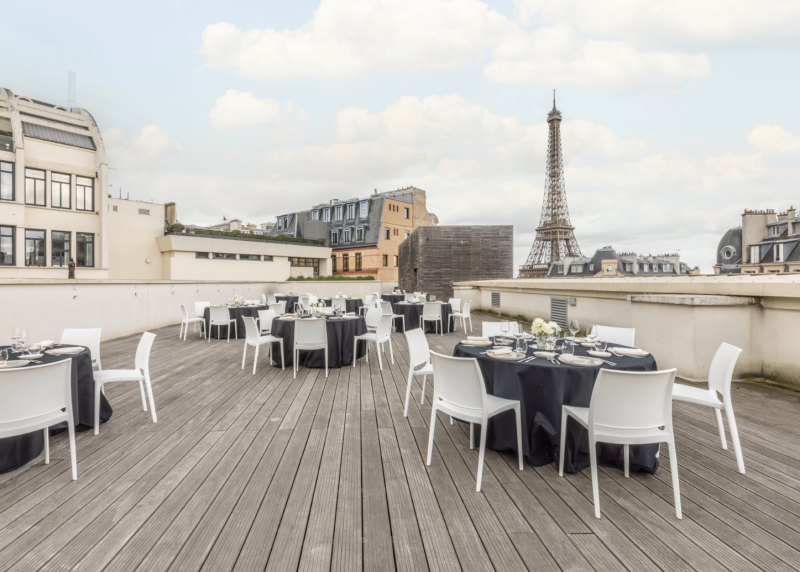
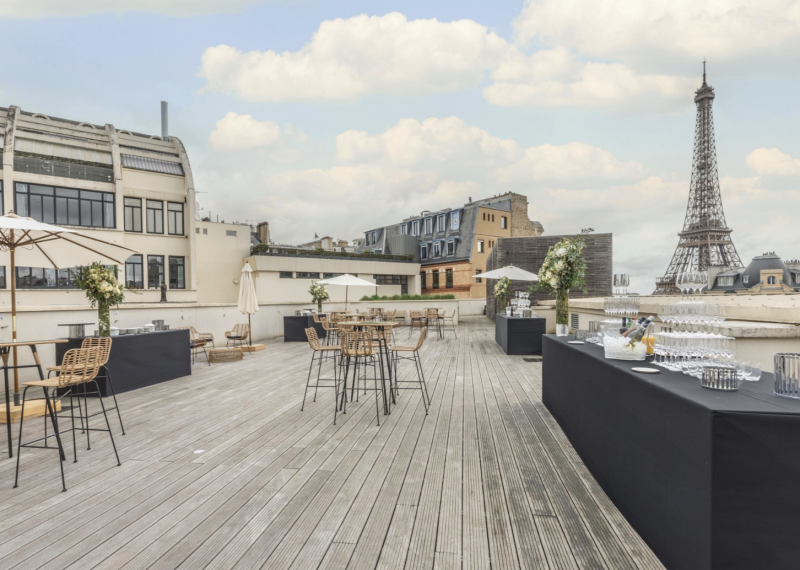
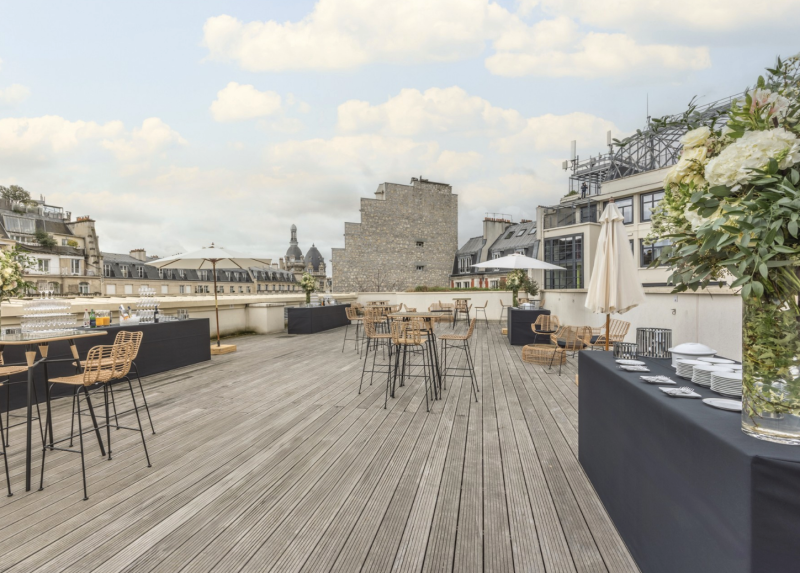
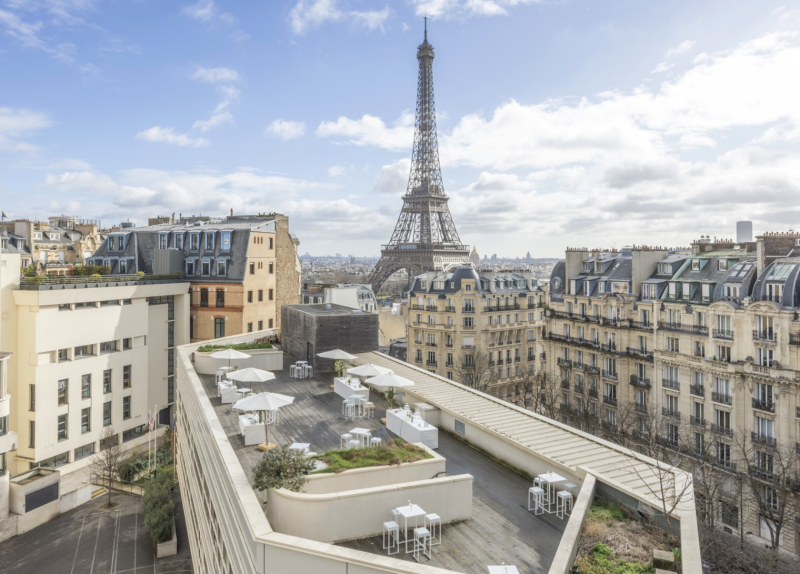
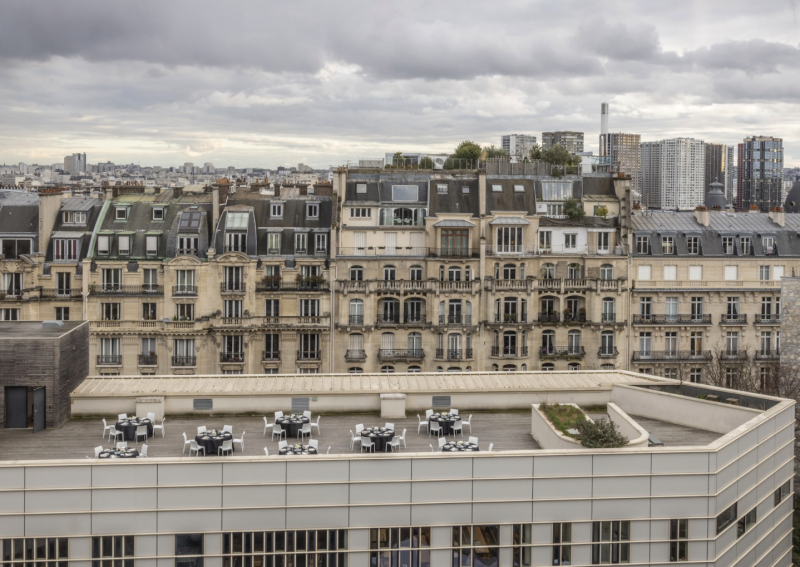
Exceptional and Spacious Rooftop Location with Stunning View of the Eiffel Tower Available For Rent in Paris for Photoshoots, Filming, and Professional Events
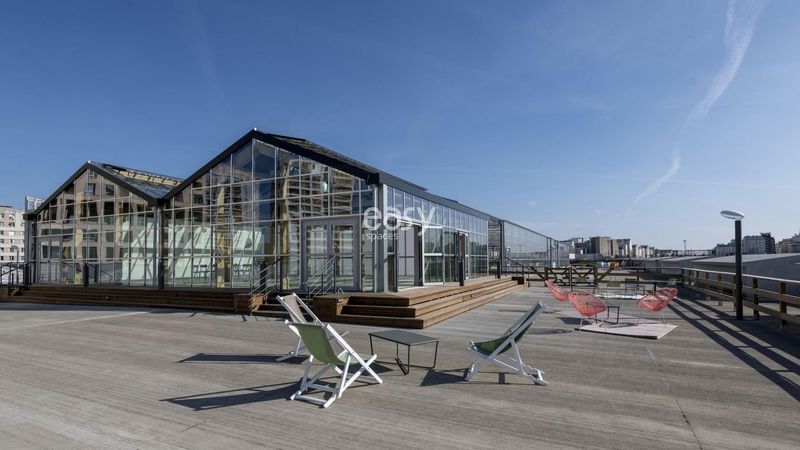
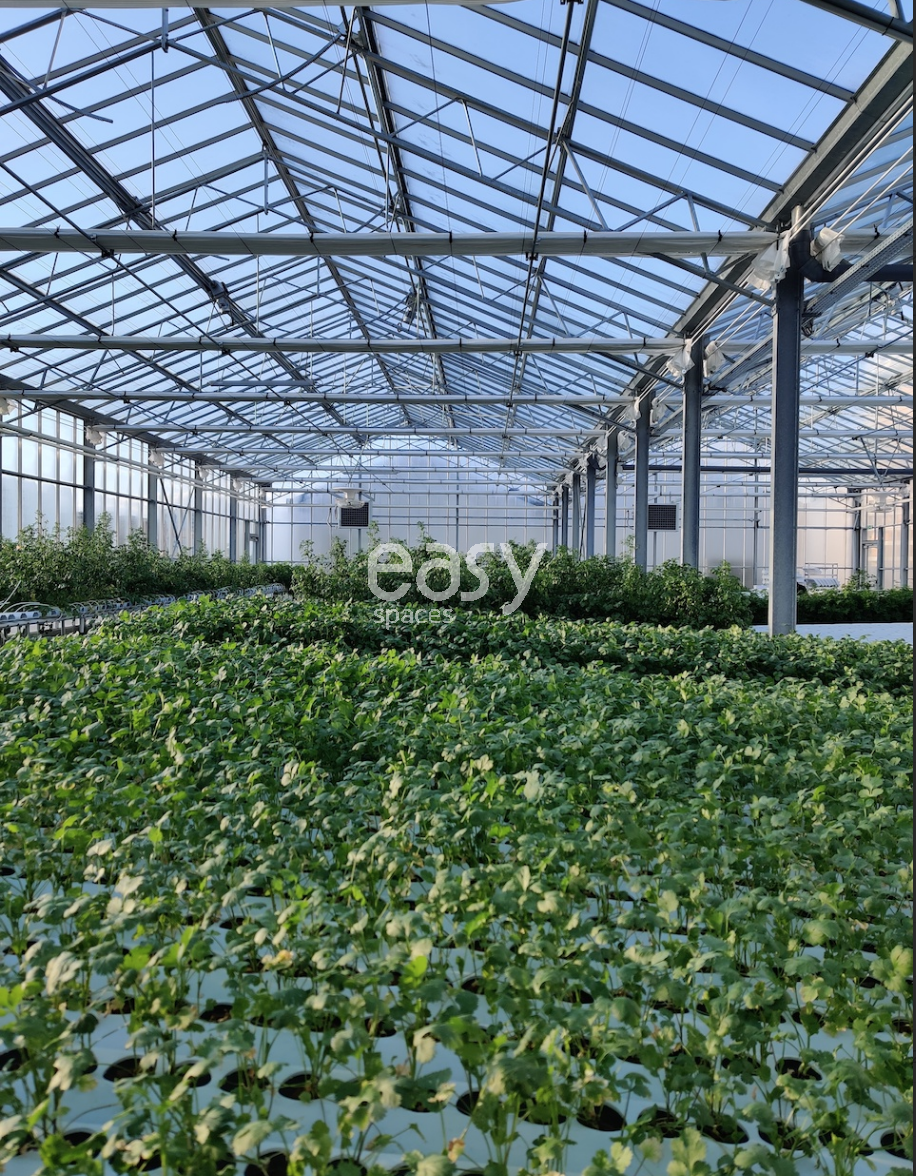
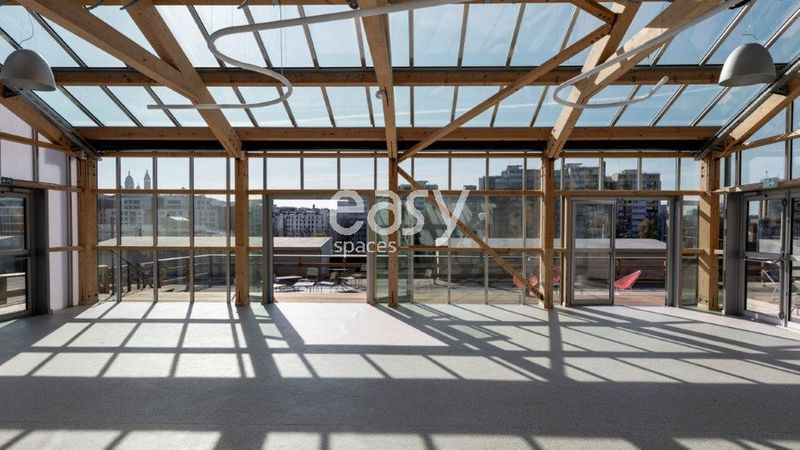
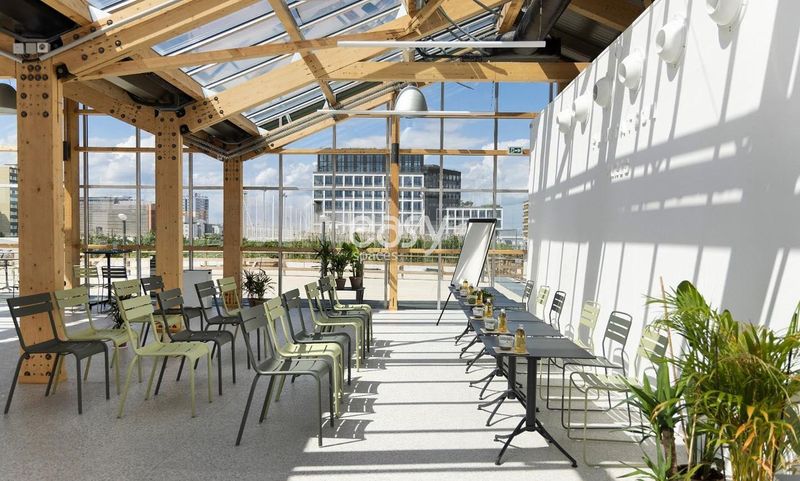
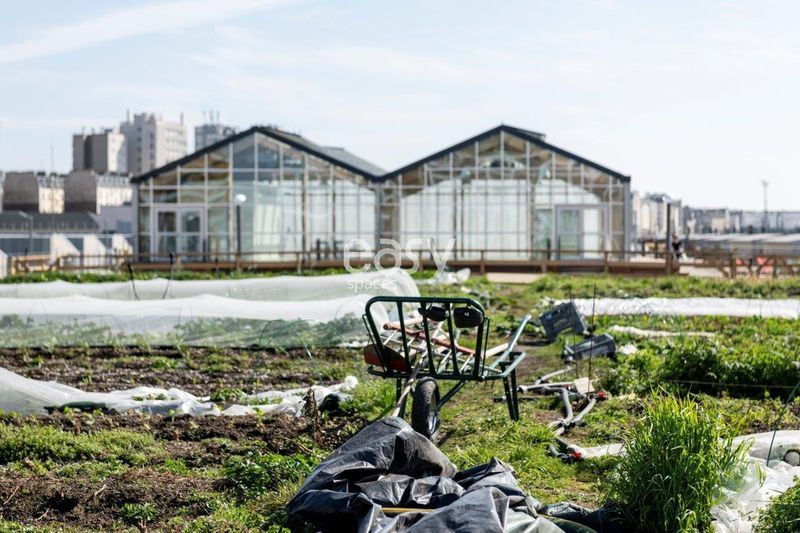
Exceptional Rooftop Space for Events, Shoots, and Professional Projects Located in Central Paris