- Home
- Ideas & Advices
- Finding a Film Location: The Expert Guide to Location Scouting in France
Finding a Film Location: The Expert Guide to Location Scouting in France

Description
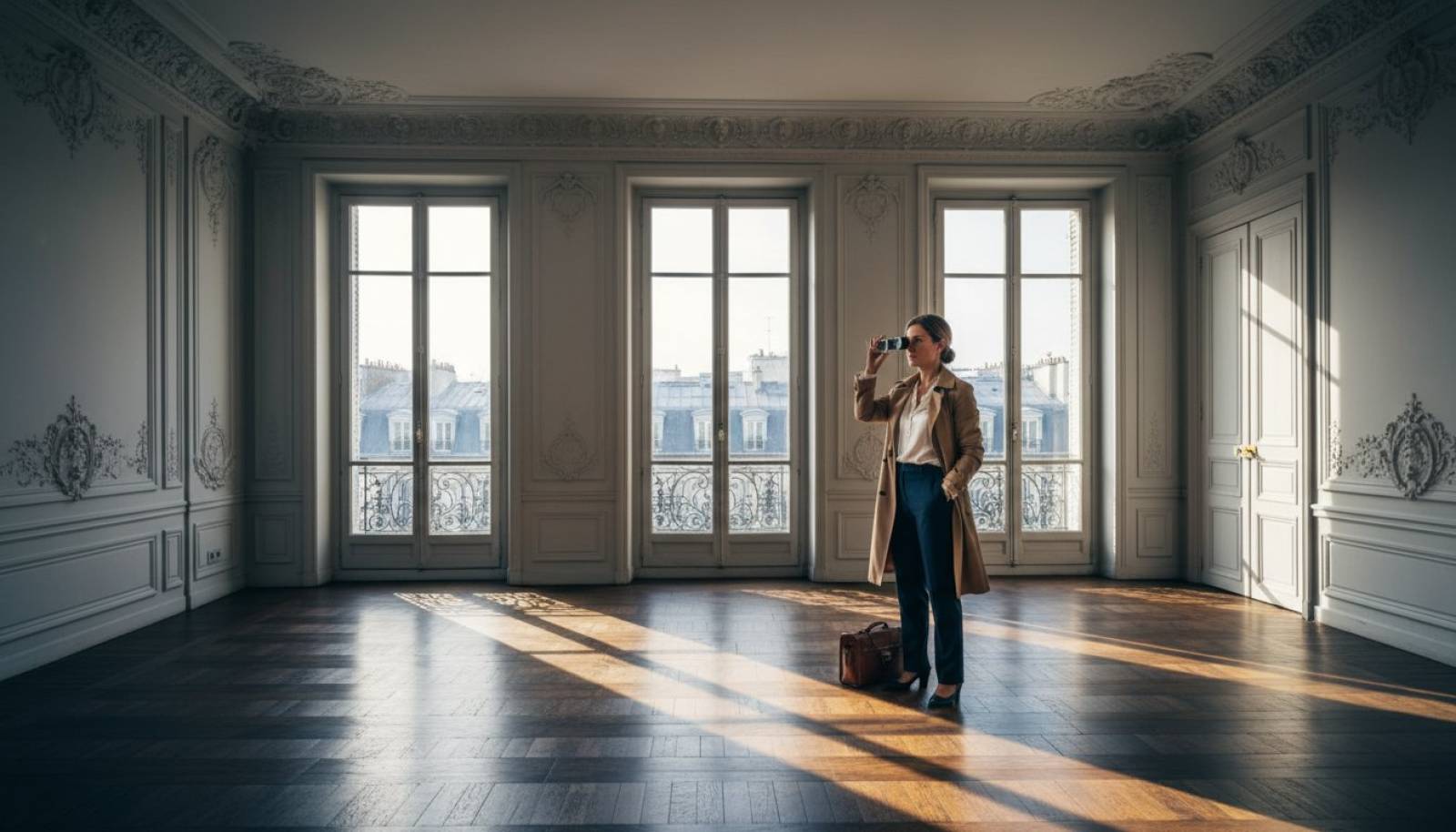
It always starts the same way. A director falls in love with a place in a photo. The light is perfect, the architecture is exactly what he's been looking for weeks, the location is already telling the story before the actors even show up. And then the production manager arrives. He looks at the gate, looks at the electrical panel, looks at the street in front of the building. And he says: "We can't shoot here."
It's the most painful moment in location scouting. And it's also the most avoidable.
Finding a film location that actually works means learning to look at a place with both eyes at the same time. The one looking for the image. And the one looking for the problems.
What nobody tells you about location scouting in France
I spent fifteen years shooting for Corbis and Getty before co-founding Easy Production and Easy Spaces with my wife Sika, who is a producer. We've been on both sides of the camera, literally. And what we've learned is that productions almost never fall apart for artistic reasons. They fall apart for logistical reasons that could have been anticipated three weeks earlier.
The electrical panel running at 9 kVA that you discover the morning of the shoot. The 9-foot gate that blocks the production truck at 7am. The upstairs neighbor who calls the police at 9:30pm because nobody warned him, or because a crew member was rude to him. These things happen. They happen a lot, actually. And they happen because the location scout was done too fast, or too superficially.
A good location scout is an investigation. Not a visit.
Since the 2010s, productions have been moving away from traditional studio sets toward real locations. The audience feels the difference, even unconsciously. The texture of a stone wall, the patina of a hundred-year-old hardwood floor, the way afternoon light cuts through a room at an angle, no production designer can replicate that without a budget that suddenly makes the studio look very attractive. But a real location has its own rules. You need to know them before you sign anything.
The locations that actually work, and why
Choosing a film location in France isn't about aesthetics alone. It's about the match between what a place offers and what the project actually needs. Those are two different things, and confusing them is expensive.
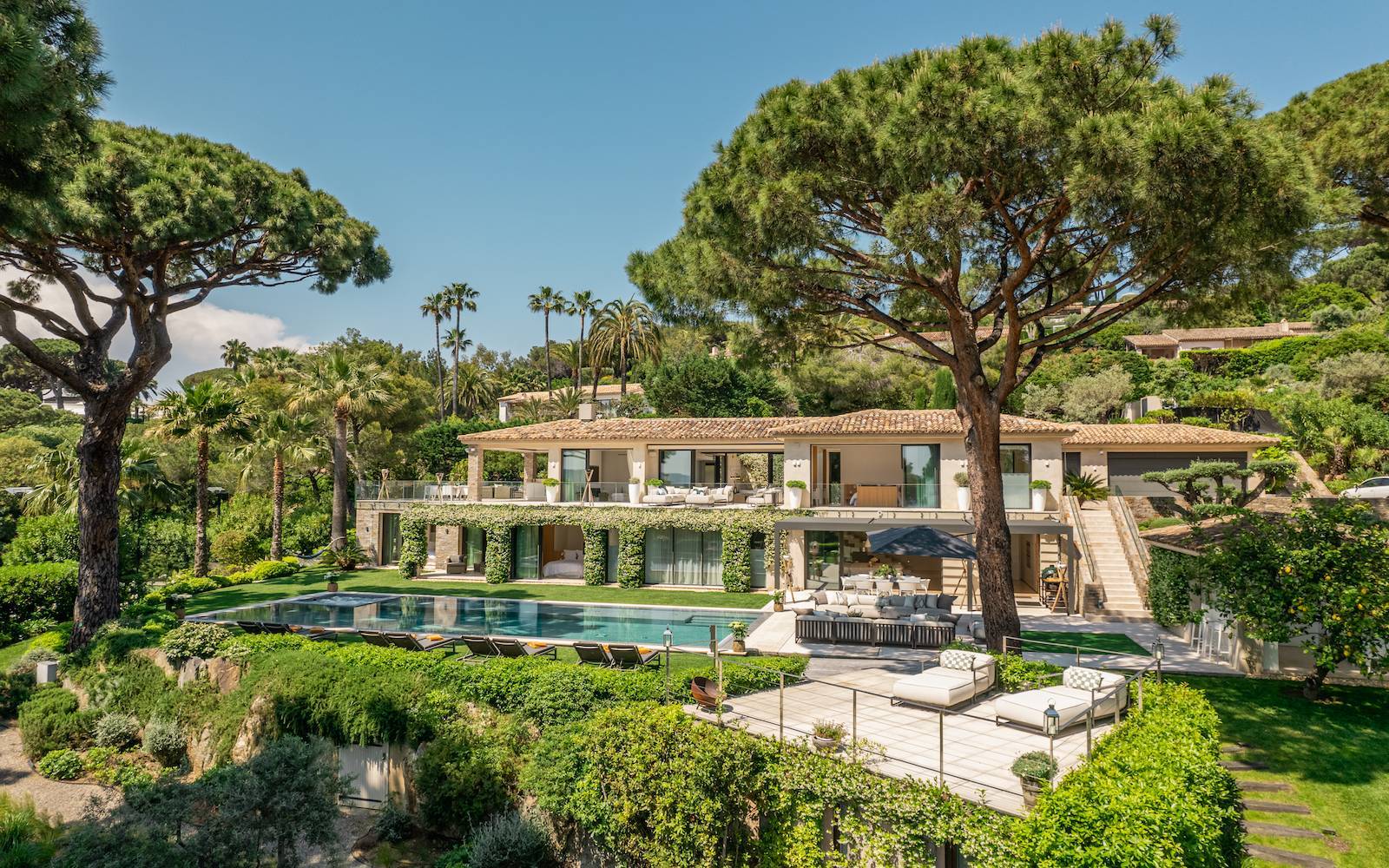
Contemporary villas are the most sought-after locations for luxury advertising, watchmaking, automotive, and fashion. Clean lines, floor-to-ceiling windows, natural light pouring in, infinity pools that dissolve into the horizon. Technically, open terraces allow for fluid camera movement and neutral materials, glass, steel, concrete, give the production designer a blank canvas. Their real problem, the one that never shows up in photos: access. These properties are often in private gated communities, at the end of dead-end roads, or on narrow streets where a production truck simply doesn't fit. Sometimes the location is inside a residential complex where the property manager can block the gate because nobody greased the right wheels. That's from experience.
Lofts and industrial spaces are the opposite, in every sense. Ceiling heights above 15 feet, large skylights, ground-level loading access for heavy equipment. You can rig lighting grids without negotiating with the building's structure. Acoustics are often better than in a residential villa, which matters the moment you're recording sync sound. And load-in is simple, which changes a production manager's entire day. These are honest locations, in the sense that they don't promise what they can't deliver.
Châteaux and prestige estates don't need a set decorator. History is already in the walls. For period films, fine jewelry, lingerie shoots, or any project that needs immediate visual weight, there's nothing comparable. The constraint is real: protecting the surfaces and heritage elements requires tight organization, a production manager entirely dedicated to monitoring circulation zones, and crew discipline that not everyone is used to.
Haussmann apartments, crown moldings, marble fireplaces, herringbone hardwood floors, tell a story of French art de vivre that international productions can't get enough of. Particularly sought-after for luxury and character-driven films. Their limitation is usually square footage: these apartments were not designed to accommodate forty technicians and their gear. Neither was the building elevator, for that matter.
Atypical spaces, a 19th-century glass greenhouse, an abandoned factory whose walls still carry the memory of what happened inside, a vintage garage with its original tile work, these are the locations you remember long after watching the film. They have something conventional places don't: a singularity that works for the image without being asked.
Studio or real location: the honest answer
You often read that real locations "bring authenticity." That's true. It's also a way of not actually answering the question.
Building a living room set in a studio runs between $16,000 and $50,000, including aging effects, furniture, and labor. That's a justified investment when the project needs total control over lighting, sound, and a reconfigurable space. The studio exists for good reasons.
But when a project needs real textures, multiple distinct settings within a single location, natural light that nobody has arranged, then renting a location for a shoot changes the budget math. A beautiful property at $4,500 a day is often cheaper than building what it already contains. And the result on screen isn't the same.
What a studio genuinely can't replicate: late-afternoon light cutting through a stone-walled room at an angle. The depth of a garden planted with century-old olive trees. The verticality of a marble staircase that's been there for two hundred years. These elements do the work of production design before the first take. And for actors, moving through a space that has real history changes something in the performance. It's hard to quantify. You see it in the dailies.
The five steps of a location scout that doesn't fail
A location scout that works is built, not improvised. Here's how professionals structure it.
It starts with a careful read of the script, before looking at a single photo. Every scene has its own needs. A complex dolly move requires open floor space. An emotionally charged interior scene benefits from a location with texture and history. You need to establish a clear hierarchy between what's artistically non-negotiable and what's logistically flexible, before opening any catalog.
Then comes the pre-selection. Filter on concrete criteria: natural light quality, architectural style, net usable square footage (not total living area), and access for heavy vehicles. Photos should be less than twelve months old. A location can change dramatically in a year.
The artistic visit is when the director takes ownership of the space. He checks whether the soul of the place resonates with the story he wants to tell. No final decisions at this stage. It's a confirmation of potential, not a technical validation.
The technical visit is where everything actually gets decided. Each department head arrives with their specific questions:
- The sound engineer closes his eyes for two minutes and listens to what's around — flight path overhead, highway nearby, neighboring building's HVAC
- The director of photography models the sun's position at the planned shooting hours using an app like SunCalc
- The production manager measures gate widths, identifies the base camp zone for catering and mobile dressing rooms, checks real available electrical power and ground stability for cranes
- Everyone takes laser measurements and 360-degree photos to avoid unnecessary return visits
And finally, the contractual framework. A solid contract specifies the occupation period, the load-in and load-out schedule, authorized zones, the number of crew on site, and image rights. A photographic walkthrough completed by both parties before and after the shoot is the best protection for everyone. A Production Liability policy covering a minimum of $1,600,000 is required before anyone sets foot on site, not the morning of day one.
What to check that nobody thinks to check
Electrical power is the number one problem, and the least often anticipated. A residential property in France typically runs on single-phase power at 9 to 12 kVA. The moment HMI lights come on, that's not enough. A professional shoot needs 18 kVA minimum for a light setup, and 36 kVA for a full cinema lighting rig. If the building's supply can't handle it, you need a silent generator parked within 80 feet of the set. Which means a suitable exterior access point, a parking space, and a planned cable run. All of this gets confirmed during the scout, never the morning of the shoot.
Vehicle parking is the other blind spot. Finding spots for ten production trucks and setting up a meal zone for forty people doesn't happen on the fly. Temporary Occupation Permits for public roads are obtained from the local city hall, with a minimum lead time of fifteen days. This is handled in advance, never under pressure.
Neighbor relations, finally, tend to get ignored until they become a crisis. An information letter distributed within a 165-foot radius, seventy-two hours before the trucks arrive, significantly reduces the risk of complaints or visits from local police. It's not a formality. It's what determines whether that location stays available for future productions.
On surface protection, here's what's non-negotiable:
- Ram Board or similar protective flooring on all fragile surfaces from the moment the first truck unloads
- Felt pads or cut tennis balls under every light stand foot
- Corner protectors in place before the crew arrives
- A production manager entirely dedicated to monitoring circulation zones, separate from the technical crew
That's what determines whether you get your security deposit back. And whether the owner agrees to rent again.
What Easy Spaces actually does
Easy Spaces is a film location agency I co-founded with my wife Sika Chevreuil, a producer by trade. We built it because we'd lived through, on both sides, what happens when a location scout is done badly. And because we thought we could do better.
When a location enters our catalog, it's been assessed on what actually matters for a production: real available electrical power, truck access widths, sun orientation at shooting hours, ambient noise levels, net usable square footage, not the residential square footage on the property deed. Technical files include floor plans, precise solar orientation data, and parking logistics.
For projects with very specific briefs, a film location that's never appeared on screen, a rare architectural type, particular technical requirements, we activate a bespoke scouting service. Scouts are on the ground within forty-eight hours.
Our services also include mobile dressing room rentals, professional lighting equipment, and direct coordination with property owners on all administrative and contractual matters. The idea is that a production manager has a single point of contact from the first scout through the last day of shooting.
Questions we get asked all the time
What does it cost to rent a film location for a day? Rates vary depending on duration, square footage, crew size, and production type. A contemporary villa in the Paris region runs between $3,200 and $16,000 per day. An industrial loft in a major city: between $2,700 and $6,500. Every quote is built around the specific logistical constraints of the project.
What permits do you need to shoot in a private location? The main authorization is a signed temporary occupation agreement from the property owner. The agency handles all of it. If the location is in a co-owned building, internal regulations apply and may impose additional conditions. A Production Liability certificate covering property damage to a minimum of $1,600,000 is required before anyone enters the site.
Can you change the décor in a rented location? With written consent from the owner, included in the contract before signing. Set decorators can move furniture, modify accessories, and adapt the atmosphere to the production designer's needs. Professional reinstatement is mandatory before handing back the keys. Everything goes back exactly as it was found, per the initial walkthrough photos.
Can you rent a location for just one day? Yes. Single-day rentals are common, particularly for commercial shoots and short scenes in feature films. Some owners offer half-day packages of four to five hours, billed at 60% to 70% of the full day rate. Best to check with Easy Spaces, who will confirm directly with the property owner.
How do I submit my home as a film location? Send us as many photos as possible showing the main rooms, volumes, natural light, and exterior access. We look at architectural originality, vehicle access, and usable square footage. Every submission is reviewed within forty-eight hours.
Do you scout locations outside the catalog? Yes. For very specific briefs, we activate a bespoke scouting service. Scouts are on the ground within forty-eight hours to find original film locations that match the project's artistic requirements precisely.
Camille Chevreuil is co-founder of Easy Spaces and Easy Production. A photographer for Corbis and Getty for fifteen years, he now works with luxury, automotive, and interiors brands from the first location search through to the end of production.
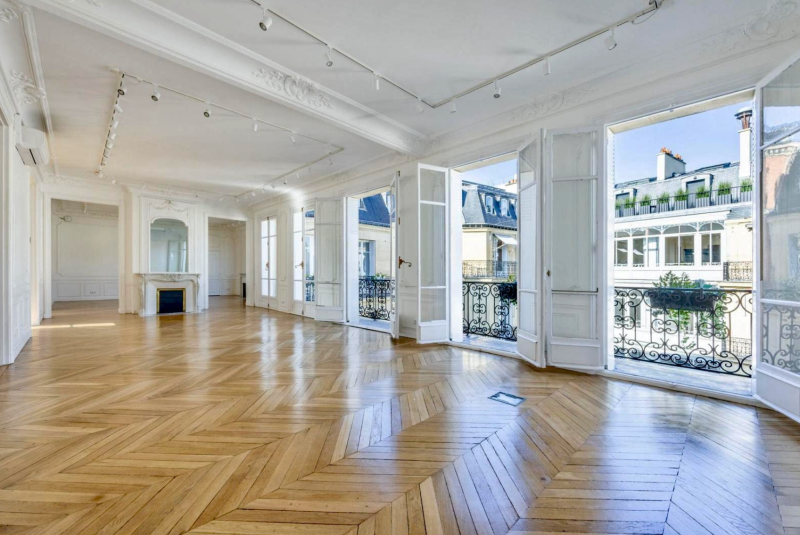
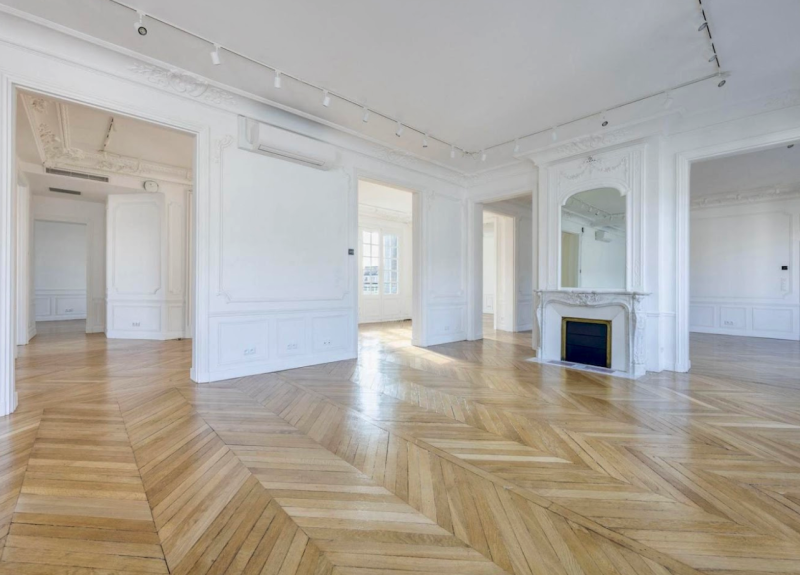
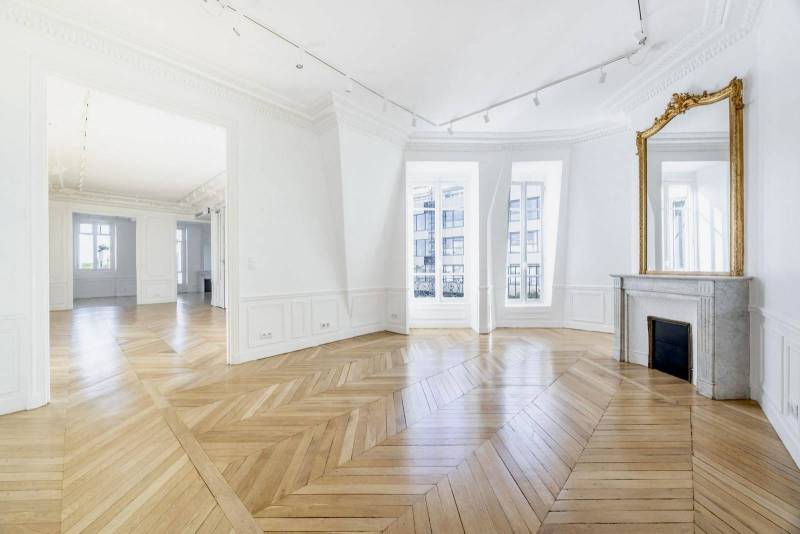
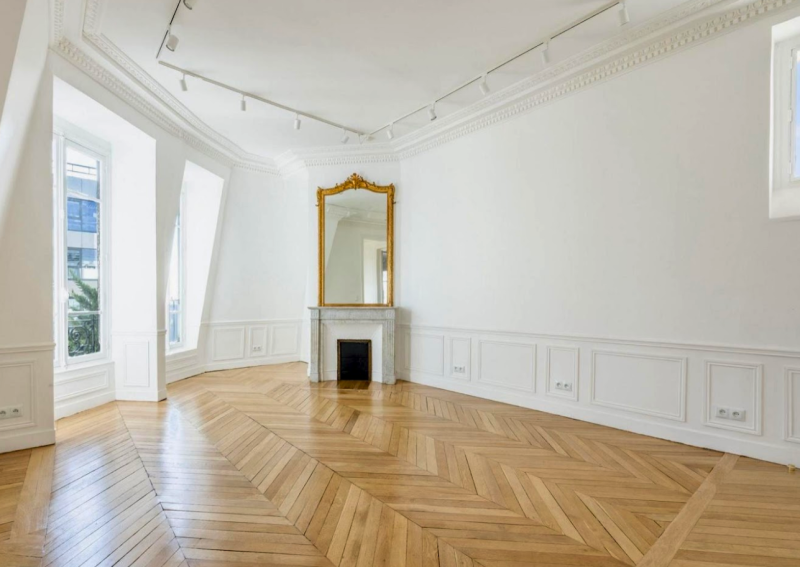
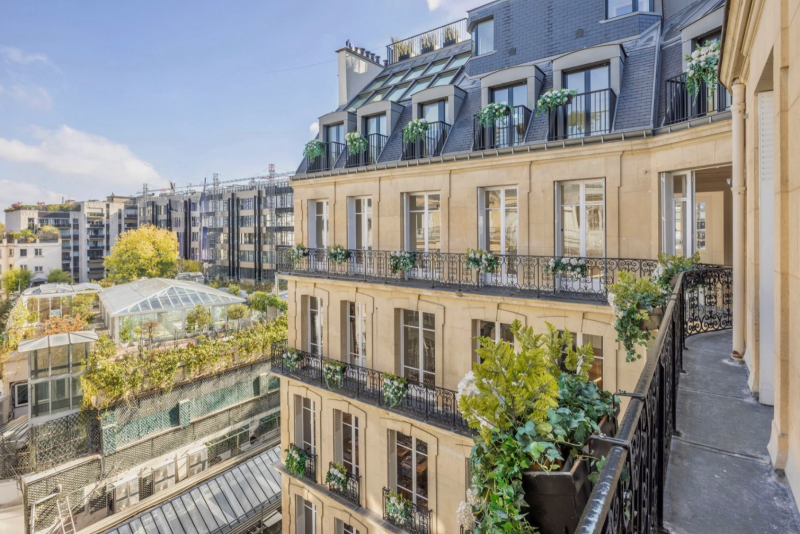

Rent a Haussmannian apartment for photo shoots, filming and events in the center of Paris
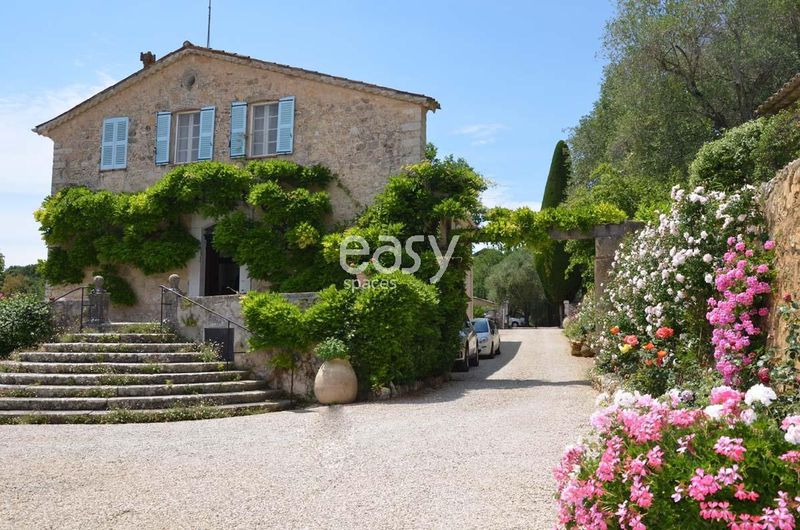
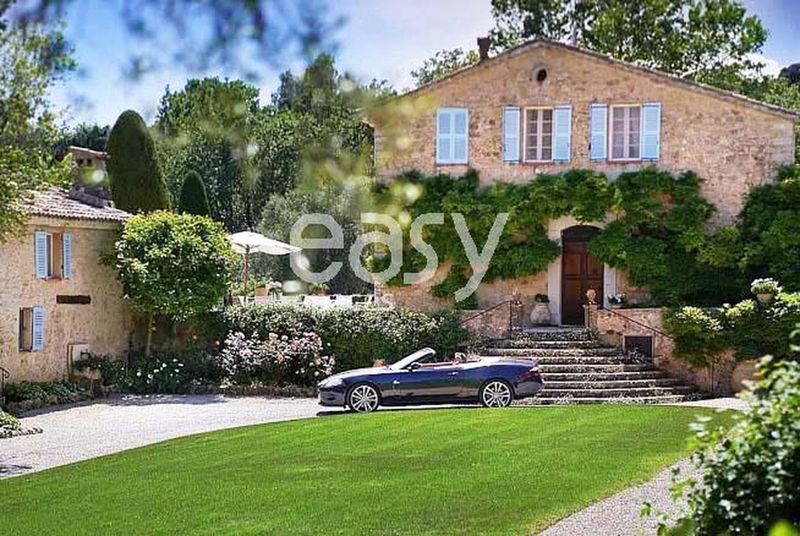
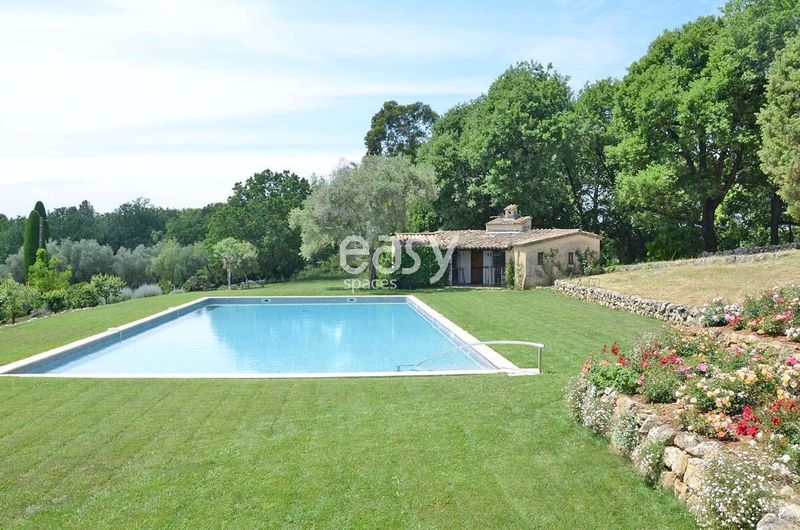
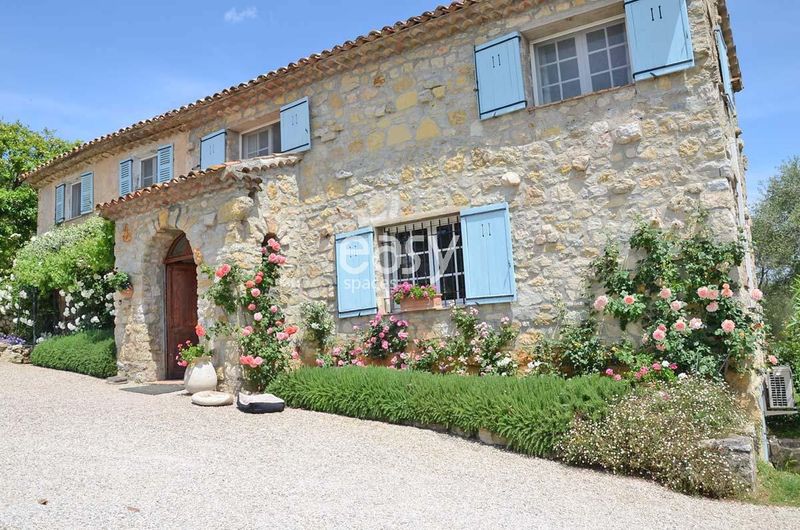
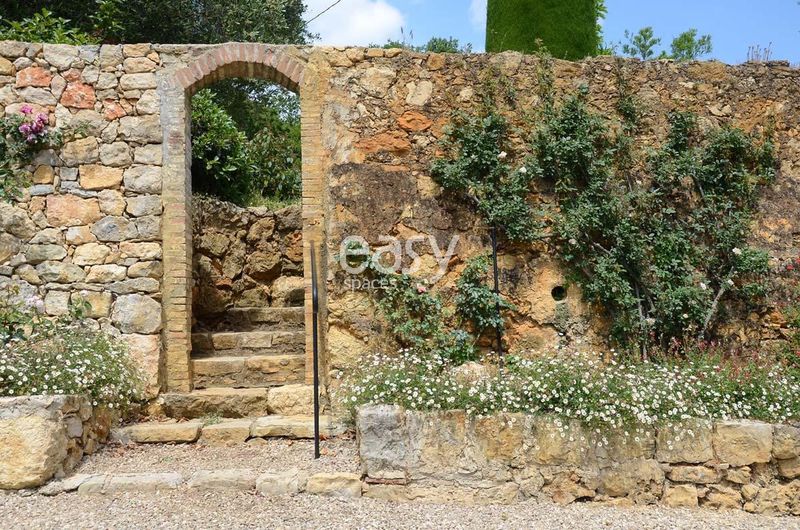
Shooting Location and Filming Location in Cannes 06 Featuring an Exceptional Venue with Stunning Grounds and Versatile Services
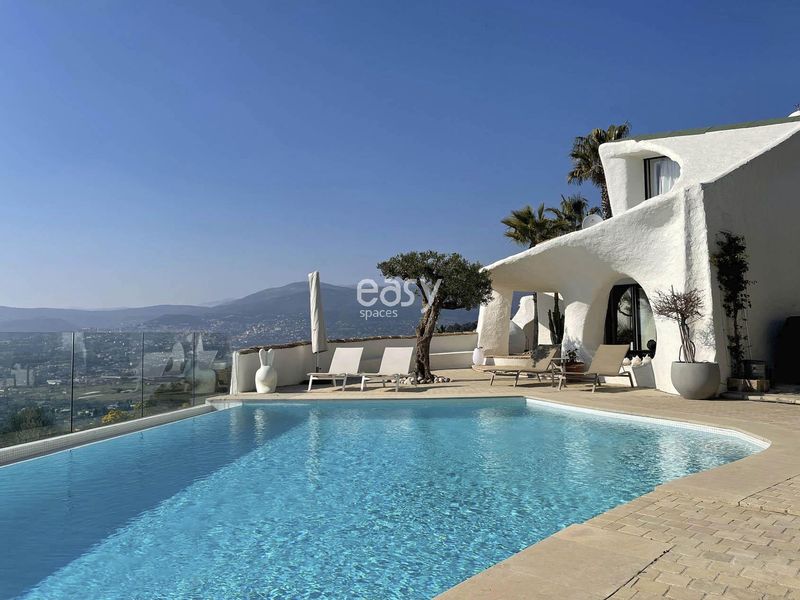
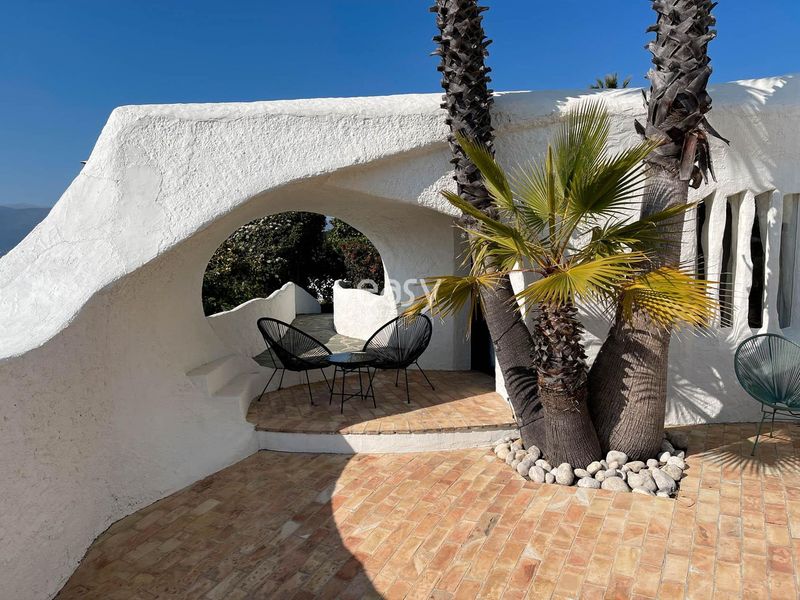
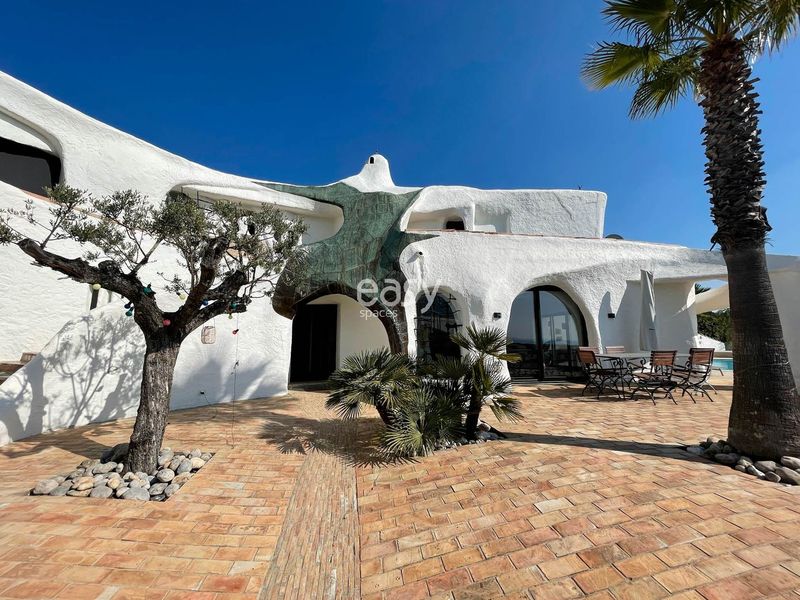
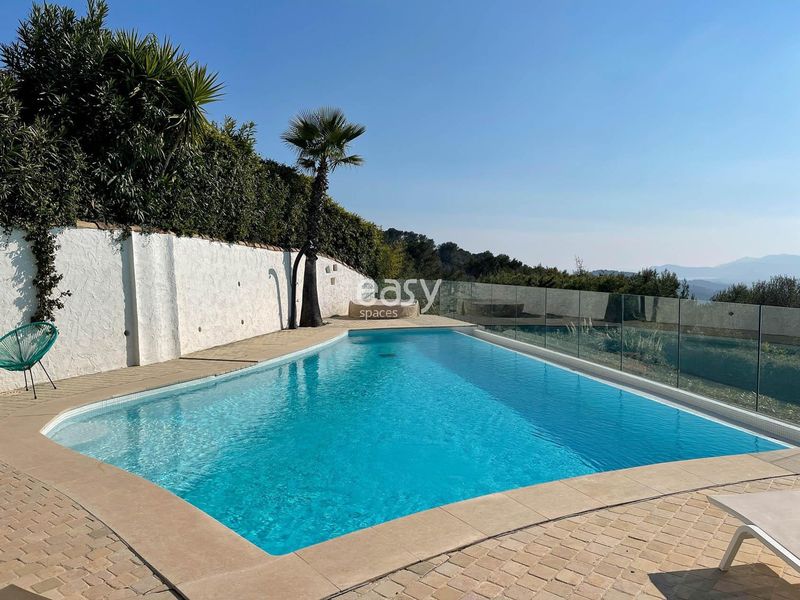
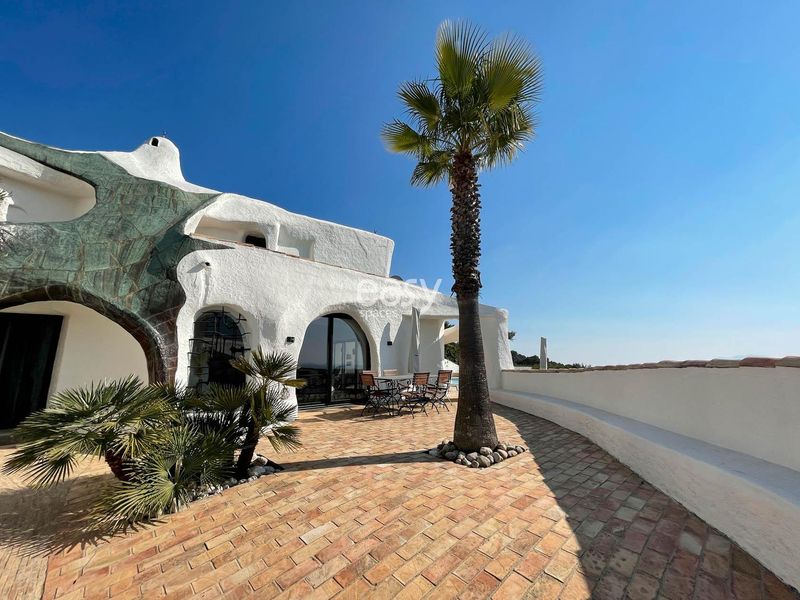
Unique and Unconventional Filming and Shooting Location with Exceptional Features on the French Riviera