- Home
- Ideas & Advices
- Renting a House in France for a Film Shoot: A Practical Guide to Photo and Film Production (2026)
Renting a House in France for a Film Shoot: A Practical Guide to Photo and Film Production (2026)

Description
Renting a house in France for a film shoot costs between €2,000 and €8,000 per day, depending on the region, the size of the property, and what type of space you're looking for. That figure is a starting point, not an answer. What actually determines whether a production runs smoothly or falls apart is everything that happens before and after you sign the contract.
This guide covers what listing platforms don't tell you.
Villa or studio: a question that deserves an honest answer
The real question isn't "villa or studio?" It's "what does my project actually need?"
A studio gives you total control over light, sound, and space. For certain types of productions, packshots, white backgrounds, sequences shot entirely under artificial light, that control is irreplaceable. Building a living room set in a studio runs between €15,000 and €45,000, once you factor in ageing effects, furniture, and labour. That's not wasted money if the project genuinely calls for it.
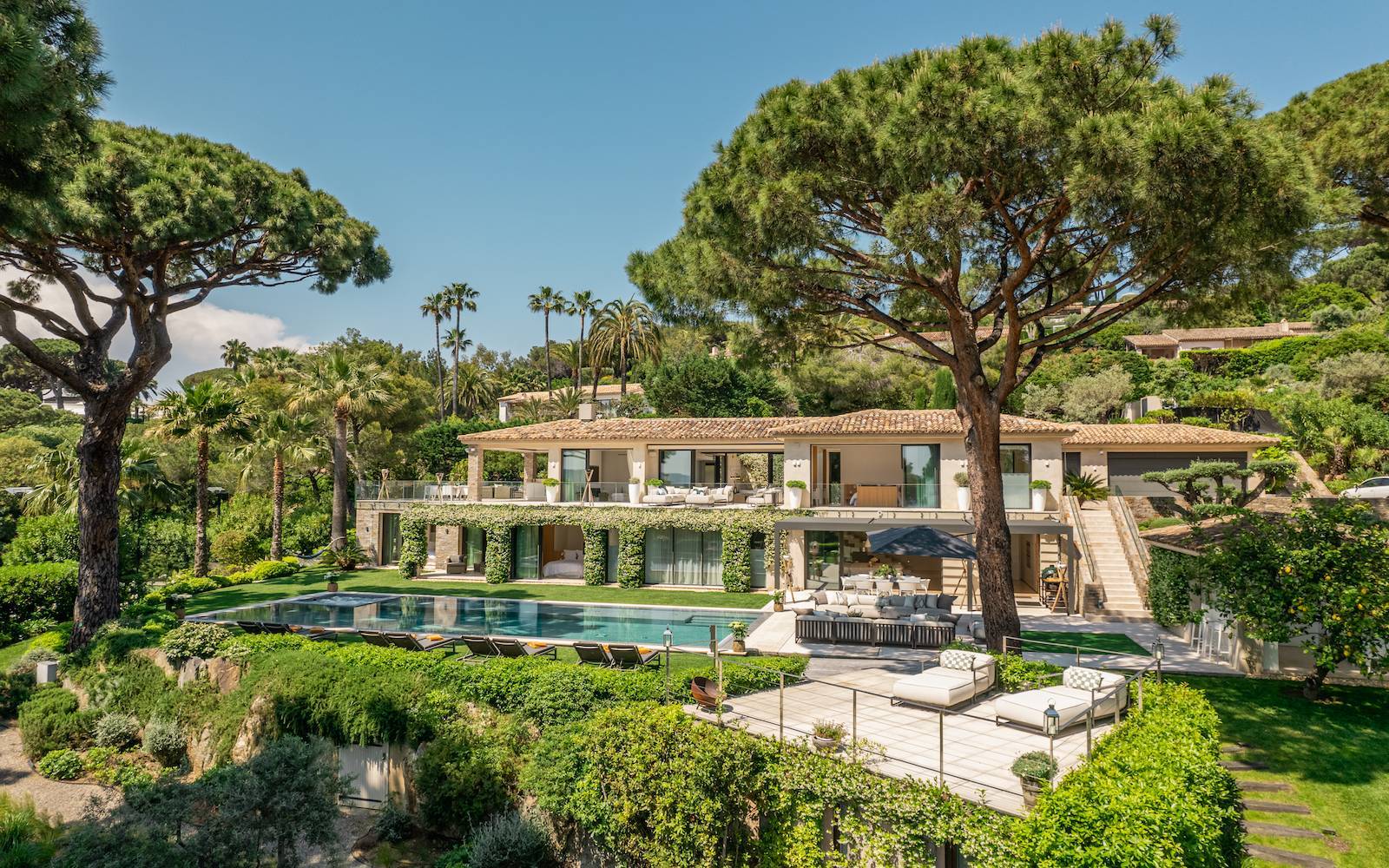
But if your photo/film production in France needs real textures, natural light coming through from outside, or several distinct settings within a single location, a living room, bedrooms, a garden, a pool, then renting a house in France for your photo/film shoot changes the equation entirely. You gain authenticity, a wider range of angles, and often a lower overall budget. A high-end property at €4,000 a day is frequently cheaper than building what it already contains.
What a studio genuinely can't replicate: late-afternoon Mediterranean light coming in at an angle through a stone-walled room. The depth of a garden planted with century-old olive trees. The vertical drama of a marble spiral staircase. These elements do the work of production design before you've called the first take.
What it changes for your crew
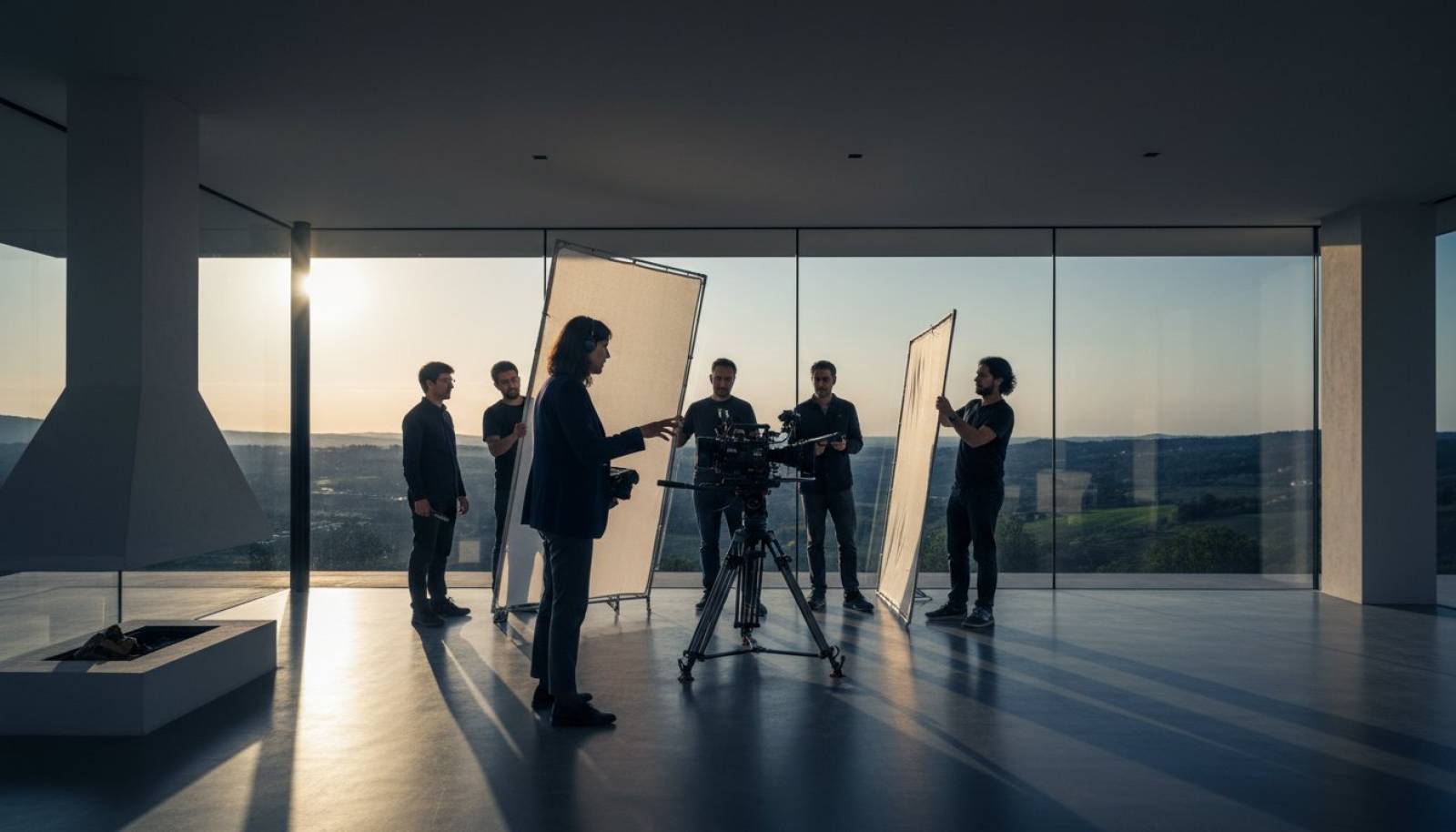
A fully functional house, with a working kitchen for catering, bedrooms converted into hair and makeup rooms, terraces where people can decompress between shots, creates a very different working environment from a cold studio floor. Actors and models settle into a real space differently. They can actually rest between takes, or between setups. It's hard to put a number on that, but any production manager who's worked in both settings will tell you the same thing.
The four technical points everyone forgets to check
A property can look stunning in photos and be a nightmare to shoot in. It happens more often than you'd think, and almost always for the same reasons.
Available electrical power. This is the single most common problem, and the least often verified in advance. A standard residential property in France runs on a single-phase supply of 6 to 9 kVA, occasionally up to 12 kVA. The moment you switch on HMI lights, that's not enough. A professional shoot typically needs 18 kVA as a minimum for a lighter setup, and 36 kVA for a full cinema lighting rig. If the building's supply can't handle it, you'll need a silent generator parked close to the set, which means checking, during your tech recce, whether there's a suitable access point and parking space outside. While you're there: if you're bringing a large crew, check whether a catering truck can park in the grounds or nearby. It sounds obvious. It gets forgotten constantly.
Interior volumes and shooting distance. A minimum ceiling height of 3.20 metres is what you need to work with lights on stands without crushing the image. For standard lenses, 35mm, 50mm, a depth of 8 metres in the main room gives you the distance to work without distortion. These measurements seem basic. They're absent from the vast majority of rental listings, and they're responsible for a disproportionate share of unpleasant surprises on location.
Access for heavy vehicles. A gate opening of at least 3.50 metres is the standard clearance for a production truck. Below that, everything gets unloaded in relays from a drop-off point outside, which adds time, extra hands, and logistical complexity to your schedule. In dense residential areas or city centres, a Temporary Occupation Permit (AOT) from the local council is required to park heavy vehicles on the public road. Apply well in advance, allow at least two weeks, and more if you can.
Acoustics; the most underestimated factor. An active flight path overhead, a departmental road 80 metres away, a neighbour's air conditioning unit in the wrong place: any of these can double the working time for your sound engineer. The acoustics of a location need to be assessed on site, at the actual hours you plan to shoot, not at 11am on a quiet Tuesday morning during a quick walkthrough. The simplest and most reliable method: close your eyes, stay still for two minutes, and actually listen to what's around you.
Which architecture suits your project
A location isn't a backdrop. It's a language. Here's how different types of properties work in practice for a photo or film production.
The contemporary villa, raw concrete, floor-to-ceiling glazing, clean lines, communicates modernity and understated luxury before you've set up a single light. Open terraces allow fluid camera movement; infinity pools act as natural mirrors extending the horizon. This is the dominant setting for automotive advertising, watchmaking, and premium cosmetics. Its main constraint: access in gated residential areas, often at the end of a private road or on a steep slope.
The Provençal mas or bastide offers something a contemporary villa can't, warmth, age, organic depth. Exposed stone walls, old timber beams, gardens of ancient olive trees. These properties work particularly well for natural cosmetics campaigns, food productions, and anything rooted in a sense of place and time. Their limitation: a historical floor plan that can be poorly suited to large crews.
The loft or industrial space is technically the most versatile of the lot. Ceiling heights often exceed 5 metres, large skylights flood the space with diffused light, and ground-level access makes loading easy. Lighting rigs can go up without structural negotiation. Well suited to fashion and advertising, music videos, and corporate events.
The château or prestige property, sometimes left in its original, unrestored state, imposes its character the moment you walk through the door. For period films, fine jewellery, or any project that needs visible historical weight, there's no substitute. The constraint: protecting original surfaces and heritage materials demands serious on-set supervision.
How to actually read a location rental quote
The day rate on the quote is not the final cost. The real structure of a budget for renting a house in France for a shoot breaks down into several distinct line items that many productions discover too late.
The agency fee runs at around 20% of the pre-tax rental amount. Production management costs cover floor protection, covering furniture, securing valuables, and permits. Prep and wrap days, the days before and after shooting, are typically billed at 50% to 70% of the day rate.
Image rights deserve particular attention. A 12-month digital campaign and a worldwide TV spot running for three years do not have the same value in the eyes of a property owner. This line item can represent 20 to 30% of the total location budget, and it needs to be negotiated before you sign anything, never after. One thing many productions overlook: architects retain intellectual property rights over their buildings. If the property you're shooting in was designed by an architect, those rights may apply and need to be cleared. Everything relating to rights needs to be sorted BEFORE production begins, not once the images are already being edited.
Crew size is the other variable that consistently gets underestimated. Forty-five technicians in a historic property generate wear and logistical pressure that bear no resemblance to an intimate photo shoot with six people. Some owners cap the number of people permitted on site. Check this in the contract. Every location has its own maximum capacity, and it's worth knowing it before you arrive.
Reference rates by region (2026)
- Île-de-France contemporary villa: €2,500 to €15,000 per day.
- Côte d'Azur sea-view villa: €2,500 to €15,000.
- Southern France mas or bastide: €2,000 to €7,000.
- Industrial loft in a major city: €3,000 to €12,000.
- Peak season on the Côte d'Azur, May through September, can push these figures up by 20 to 30%.
It's worth planning ahead.
The administrative and logistical groundwork nobody wants to deal with until it's urgent
Parking production vehicles on a public road requires a Temporary Occupation Permit from the local council. For night sequences running past 10pm, advance communication with neighbours isn't optional, legally or practically. Distributing an information letter to residents within a 50-metre radius, at least 72 hours before the trucks arrive, significantly reduces the risk of complaints or visits from local police. This isn't a formality. It's what determines whether that location stays available for future productions.
Protecting the property. On marble floors or antique parquet, Ram Board or similar protective sheeting goes down the moment equipment starts moving through. Lighting stands get felt pads or cut tennis balls under every foot. Exposed corners get padded. None of this is optional, it's what determines whether you get your deposit back in full. For any prestigious property with more than 20 people on site, a dedicated floor manager, separate from the technical production manager, is the best investment you can make.
Insurance. A Production Liability policy covering a minimum of €1,500,000 is required by virtually every serious property owner, covering both material and consequential damage. The certificate needs to be provided before anyone sets foot on site, not on the morning of the shoot.
Connectivity. In 2026, a minimum upload speed of 100 Mbps has become the practical threshold for live video playback to remote clients. Test the connection during your technical recce, with your own SIM card on 5G, not the owner's Wi-Fi. The two can give very different results depending on where the property sits.
What Easy Spaces agency actually does
Easy Spaces is a location scouting agency co-founded by Camille Chevreuil, a professional photographer for Corbis and Getty for fifteen years, and his wife Sika Chevreuil, a producer by trade. It's a family business, built by people who spent years on set before they started organising them. That background is why the agency's approach starts from technical constraints rather than photography.
When a property joins the Easy Spaces catalogue, it's been assessed on what actually matters for a photo or film production: real available electrical power, access widths, sun orientation at shooting hours, ambient noise levels, net usable surface area, not the total living space as listed on a property site. Technical files include floor plans, precise solar orientation, and parking logistics.
If a location doesn't work out on the day for an unforeseen reason, the agency has fallback options already identified. That network exists for exactly this situation, not just as a selling point.
For projects with very specific briefs, a 1970s bubble house, a nineteenth-century glass greenhouse, a setting that's genuinely never been seen on screen, the agency runs a bespoke scouting service. Scouts are on it within 48 hours.
Questions we're actually asked
What does it cost to rent a house in France for a one-day film shoot? Between €2,000 and €8,000 depending on the region and property type, before agency fees and additional costs. For a sea-view villa on the Côte d'Azur in peak season, the rate can exceed €10,000.
Can you change the décor or repaint the walls? Only with written consent from the owner, built into the contract before signing. Returning the property to its original state by professionals, is mandatory before handing back the keys. Around 20% of advertising productions request changes to colours or furniture. It's possible, but it has to be agreed in writing beforehand, not on the day.
How is the neighbourhood handled? The production manager distributes an information letter to residents within a 50-metre radius, at least 72 hours before the vehicles arrive. Noise curfew times, typically 10pm, sometimes 8pm in certain residential areas, are set in the contract with the owner and communicated to the full crew before the shoot day.
Can you rent for a half-day? For photo shoots, some owners will agree to it. Each location has its own rules. A half-day slot of four to five hours is typically billed at 60% to 70% of the day rate. It's a practical option for targeted digital campaigns or when you're chasing a specific window of light.
Are set modifications included in the rental price? No. The rental covers the location as it stands. Modifications, additional props, and reinstatement work are charged separately to the production.
What happens if you cancel? If a booking is cancelled after the quote has been accepted, the agency will make every effort to reduce costs wherever possible. However, any expenses already committed on your behalf will be invoiced in full. For any cancellation within three weeks of the shoot date, 80% of the total service fee becomes due. These terms protect owners who have turned down other enquiries to hold your date.
Do you scout locations outside the catalogue? Yes. For briefs that require something very specific, a rare architectural style, a setting that's never appeared on screen, unusual technical requirements, the agency runs a bespoke scouting service, with scouts responding within 48 hours.
Camille Chevreuil is co-founder of Easy Spaces and Easy Production. A photographer for Corbis and Getty for fifteen years, he now works with brands in luxury, automotive, interiors and furniture, from the first location search through to the end of production.
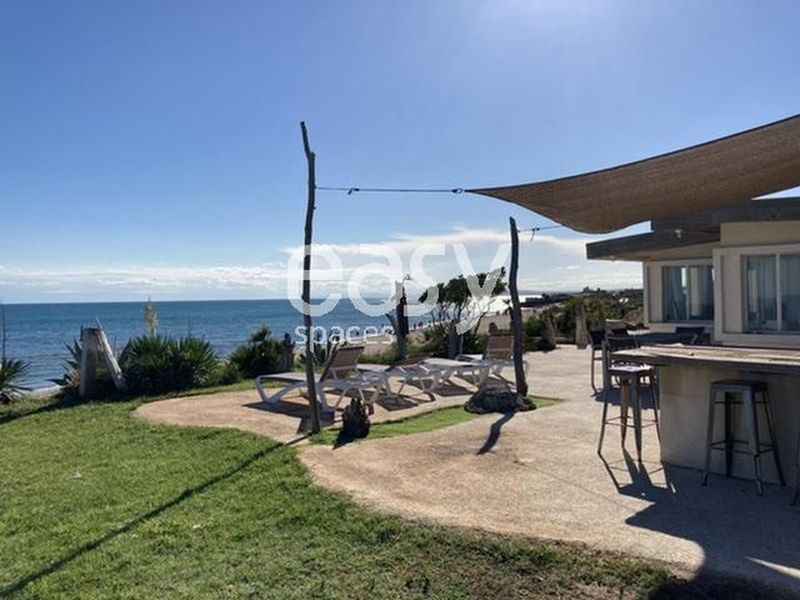
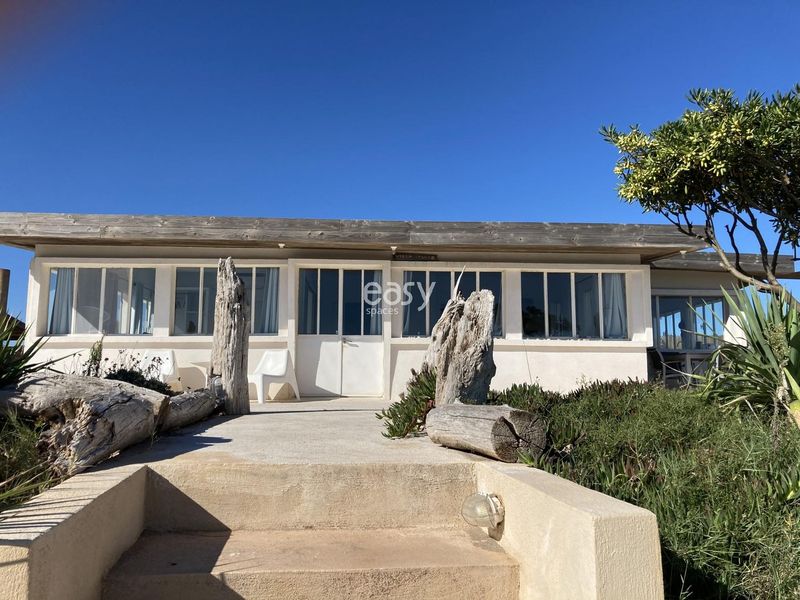
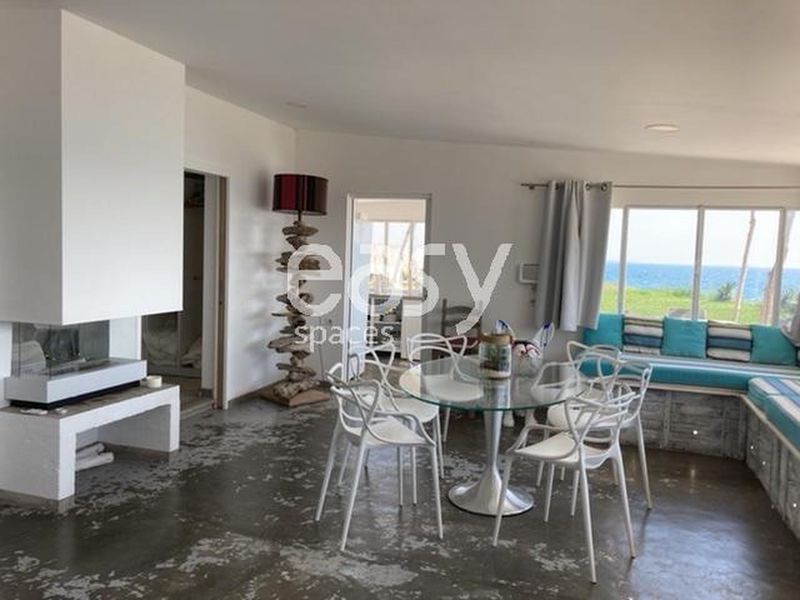
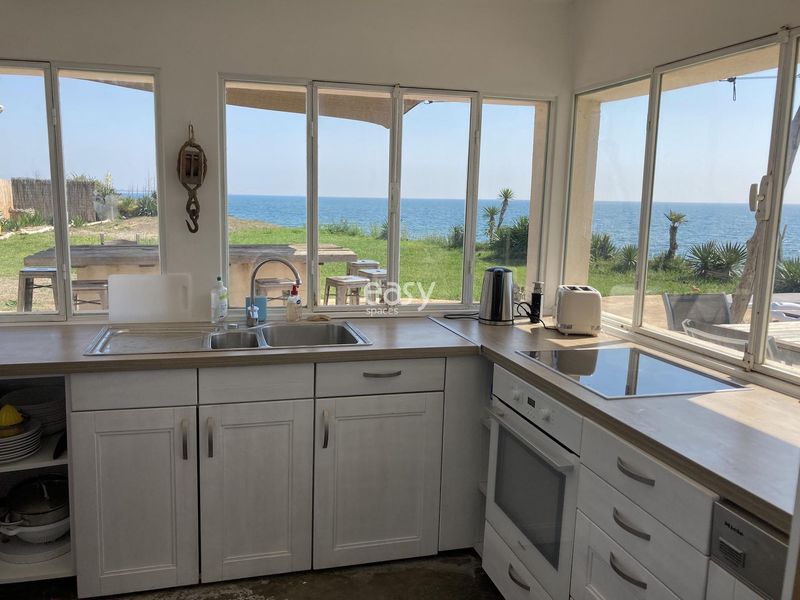
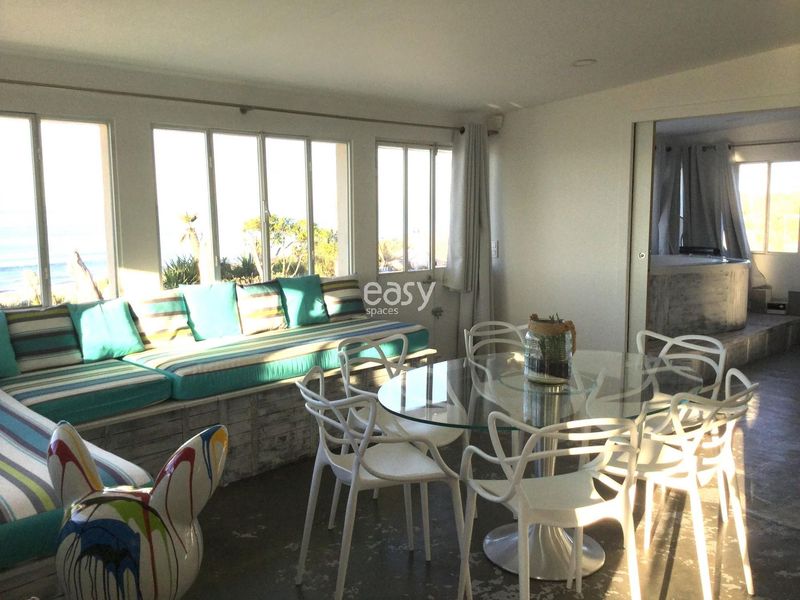

Beautiful and Versatile Seaside House Located Near Montpellier Perfect for Professional Photoshoots, Filming Sessions, and Events by the Sea
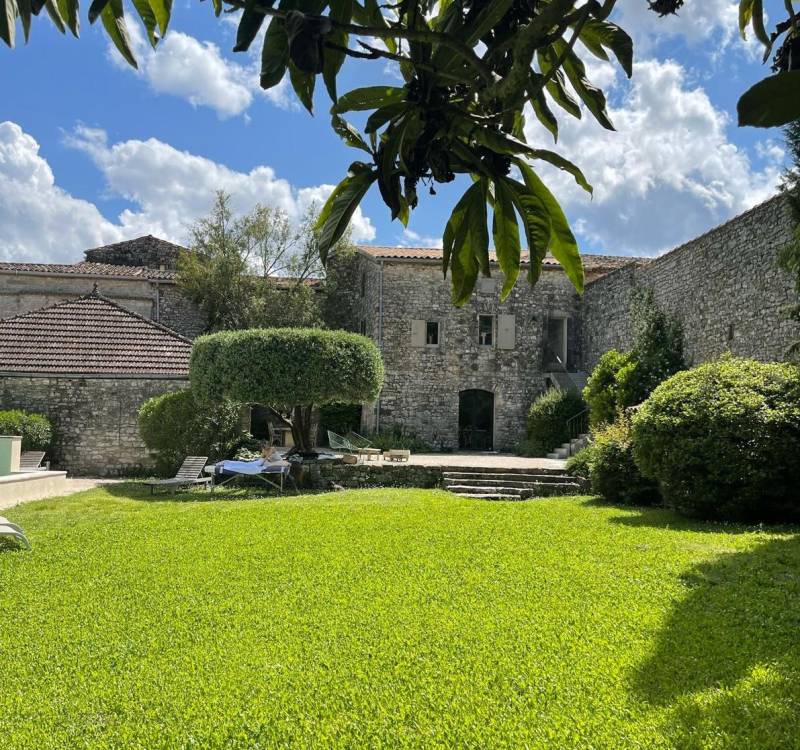
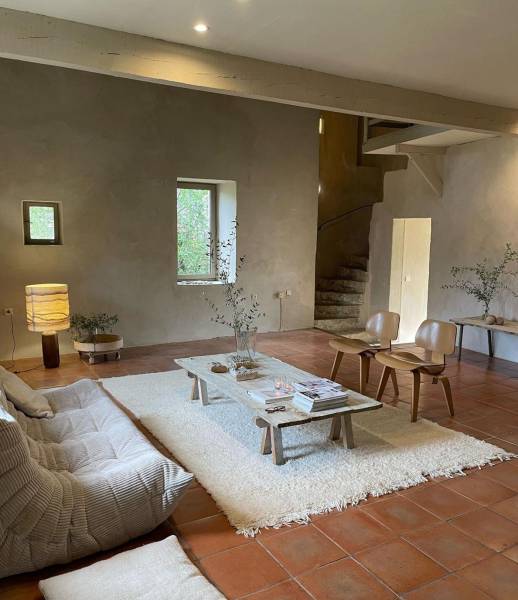
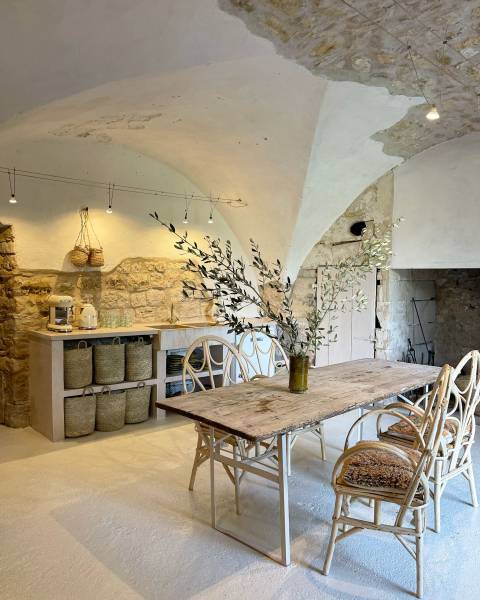
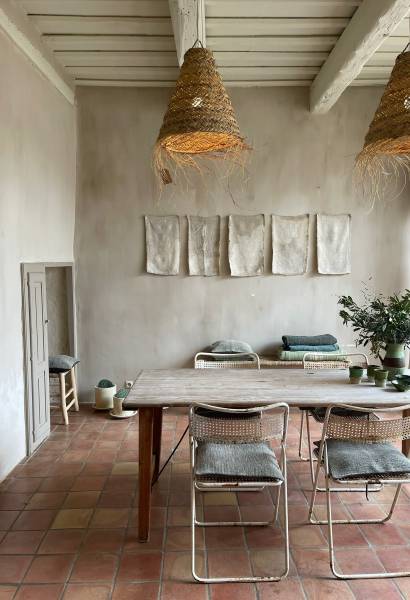
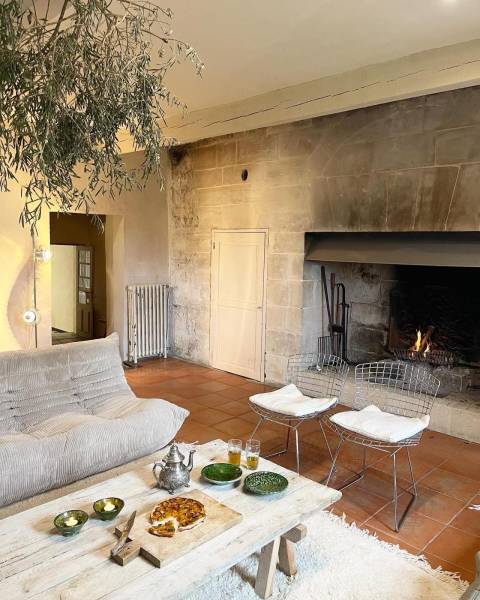
Beautiful Charming House Available for Rental for Shooting and Filming Purposes in the South of France, Offering Multiple Inspiring Ambiances
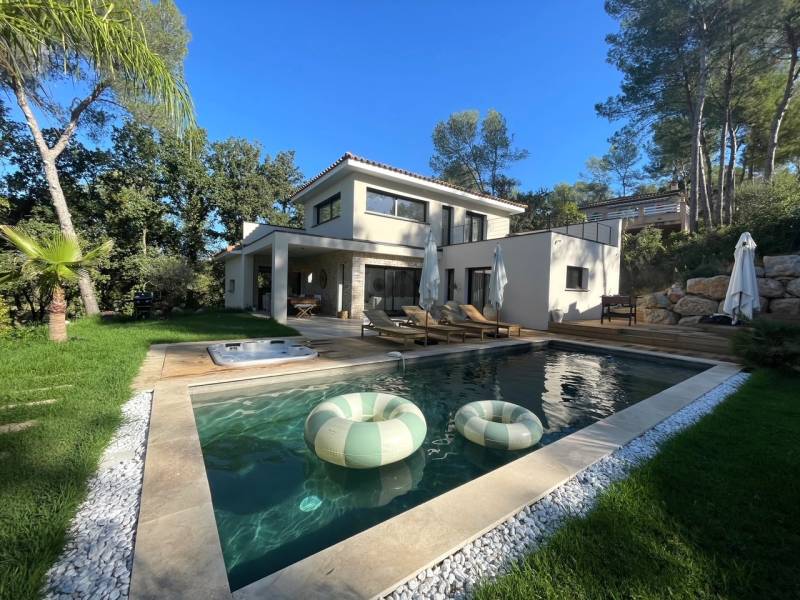
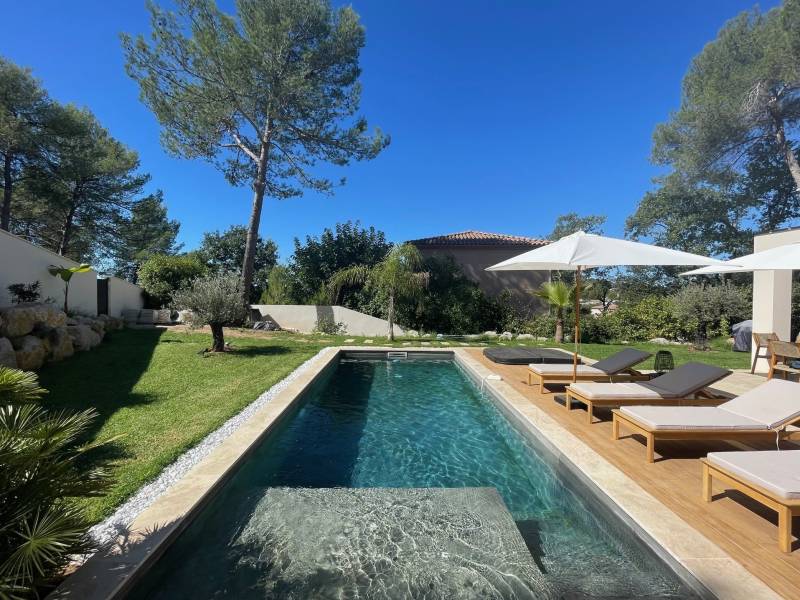
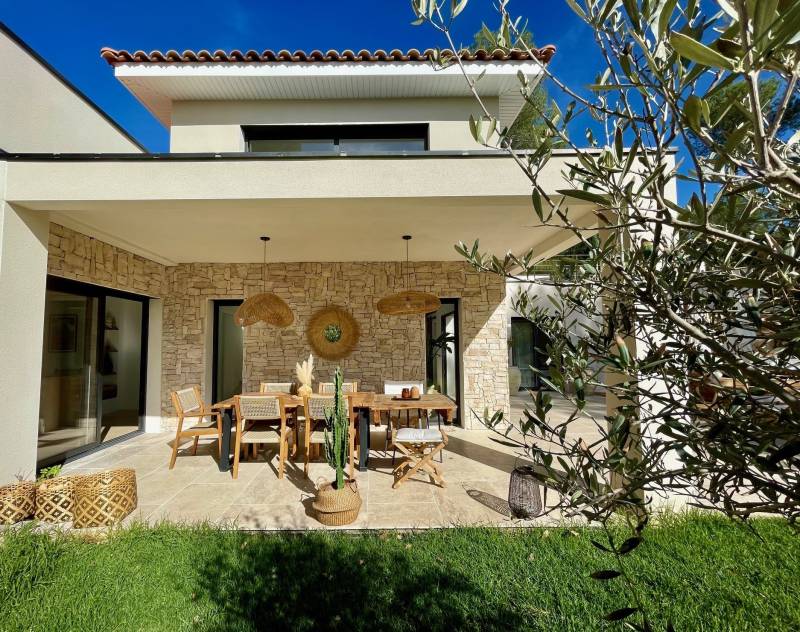
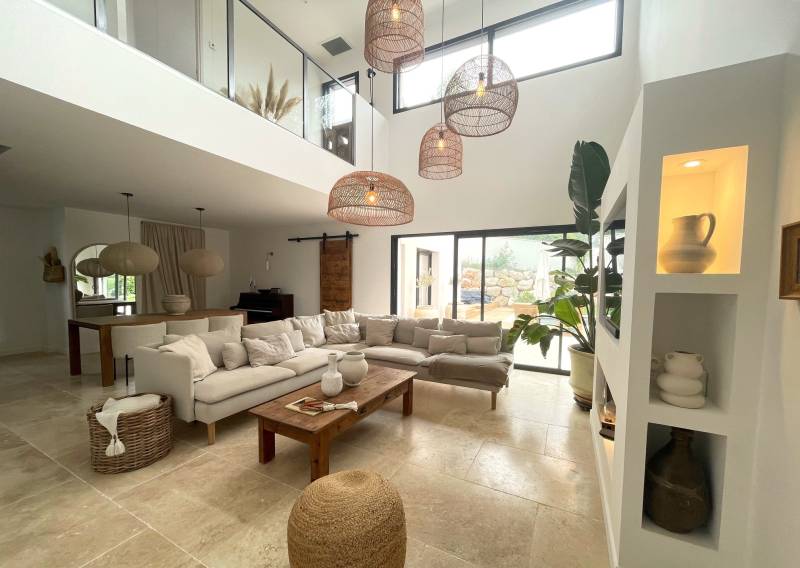
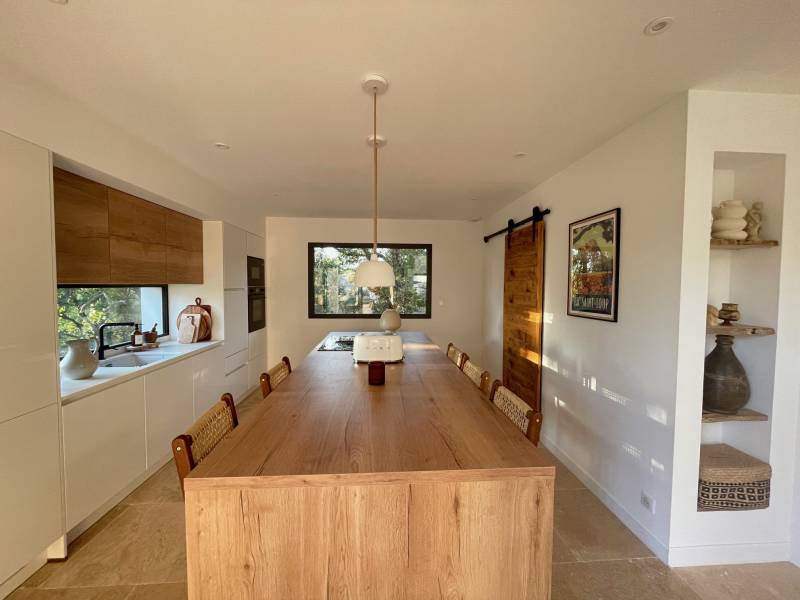
Beautiful Contemporary House Available to Rent for Photo Shoots and Film Productions in the South of France